


A true barrier against bacteria and viruses, our skin is an important organ. It helps regulate our temperature and maintain the balance of our bodily fluids. However, it only reaches its full protective potential around the age of 12. Before then, children's skin, and especially babies' skin, is fragile. It is three times thinner than an adult's, and its defense mechanisms are less effective.
In other words, a baby's immature skin is more permeable and requires more care regarding the hygiene products used.
A comparison carried out by the magazine UFC que choisir showed that 90% of cosmetics intended for babies contained allergenic substances, or even potentially carcinogenic substances.
So, for the health and well-being of your baby , Rampal Latour gives you his advice on how to take care of him safely.
Understanding the specific characteristics of baby's skin to better care for it.
A baby's skin is considered immature until the age of 2 to 3. This means it is not yet able to protect itself against harmful ingredients like an adult's skin. It is permeable and reacts like a sponge, allowing substances to penetrate your child's body.
The reason is that a baby's skin is three times thinner than an adult's. While it has the same structure and number of layers, these layers are not yet bonded together, allowing chemical components to pass through.
Furthermore, the hydrolipidic film, which normally forms a protective barrier for the skin, is not yet fully formed. In adults, this film helps maintain skin hydration. Its absence leads to a tendency towards dehydration, with dryness problems that can cause irritation and redness.
It is also important to know that in babies, the skin surface area relative to their weight is greater than in adults, which means they are more exposed to the risk of contamination by toxic substances.
While the risks of exposure to harmful products are present in adults, they are much greater for a baby's skin, with much more serious reactions.
What are the risks to a baby's skin?
Several substances commonly used in cosmetics are toxic. The most frequently found are parabens (used as preservatives), phthalates (used for texture), synthetic fragrances, colorants, and sulfates (used as foaming and cleansing agents). While these ingredients are not recommended for adult skin, their effects are amplified on a baby's skin.
The dangers to a baby's skin can be numerous:
Skin irritations: some of the products in question have an irritating effect. On a baby's skin, they can cause redness, itching, rashes, or swelling.
Skin absorption: because a baby's skin is permeable, it allows substances present in cosmetics to pass through. These substances then end up in the infant's bloodstream and can cause short- and long-term health problems.
Allergic reactions: Fragrances and preservatives have a high allergenic potential. In contact with a baby's skin, they can cause rashes, eczema, or even hives.
Endocrine disruptors: Parabens and phthalates are endocrine disruptors that can upset a baby's hormonal balance. Contact with them can lead to growth and developmental problems, and even infertility, in your infant.
Given the risks to your baby, the utmost caution is required when choosing and using cosmetic products.
Baby hygiene in complete safety
The risks to your baby are numerous and can be frightening. However, with a few good habits and a carefully prepared toiletry kit, it's possible to care for your infant safely. Rampal Latour shares her advice for a healthy and peaceful baby care routine.
First and foremost, when you want to protect your baby's skin, it's important not to over-wash them. Fear of germs can lead us to make mistakes, even when we're trying to do the right thing. An infant doesn't need a bath every day. A quick wash is sufficient and will limit their exposure to potentially harmful substances.
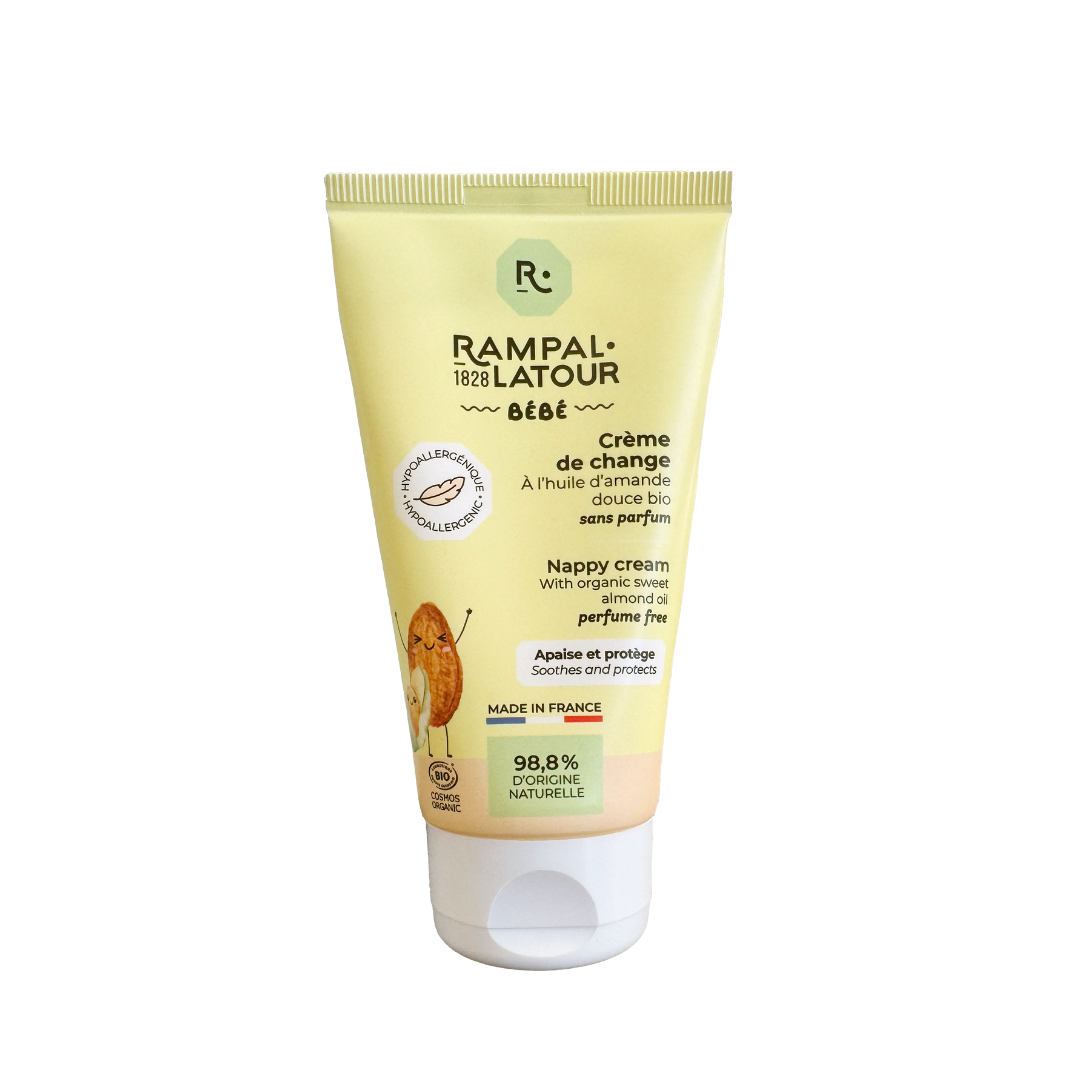
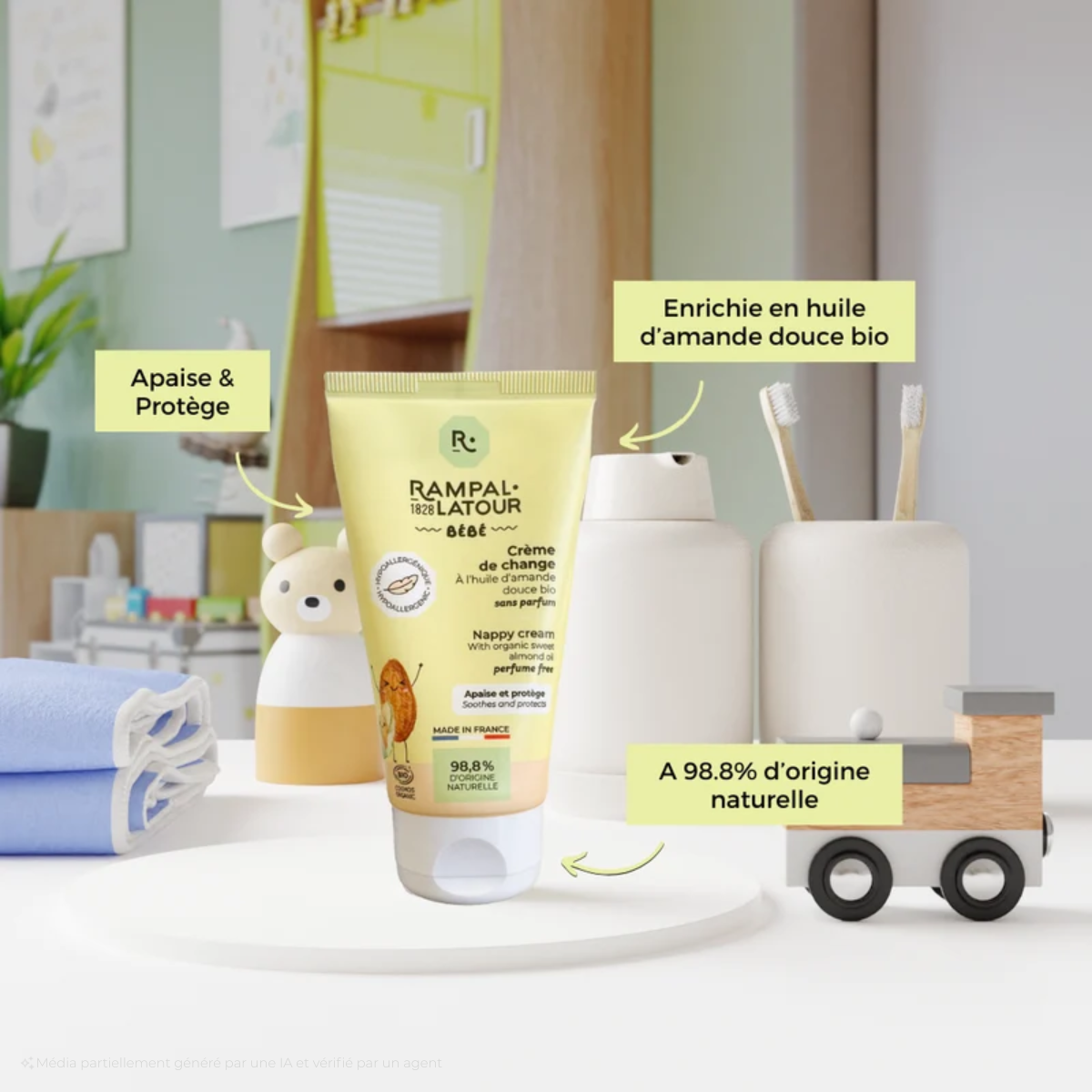
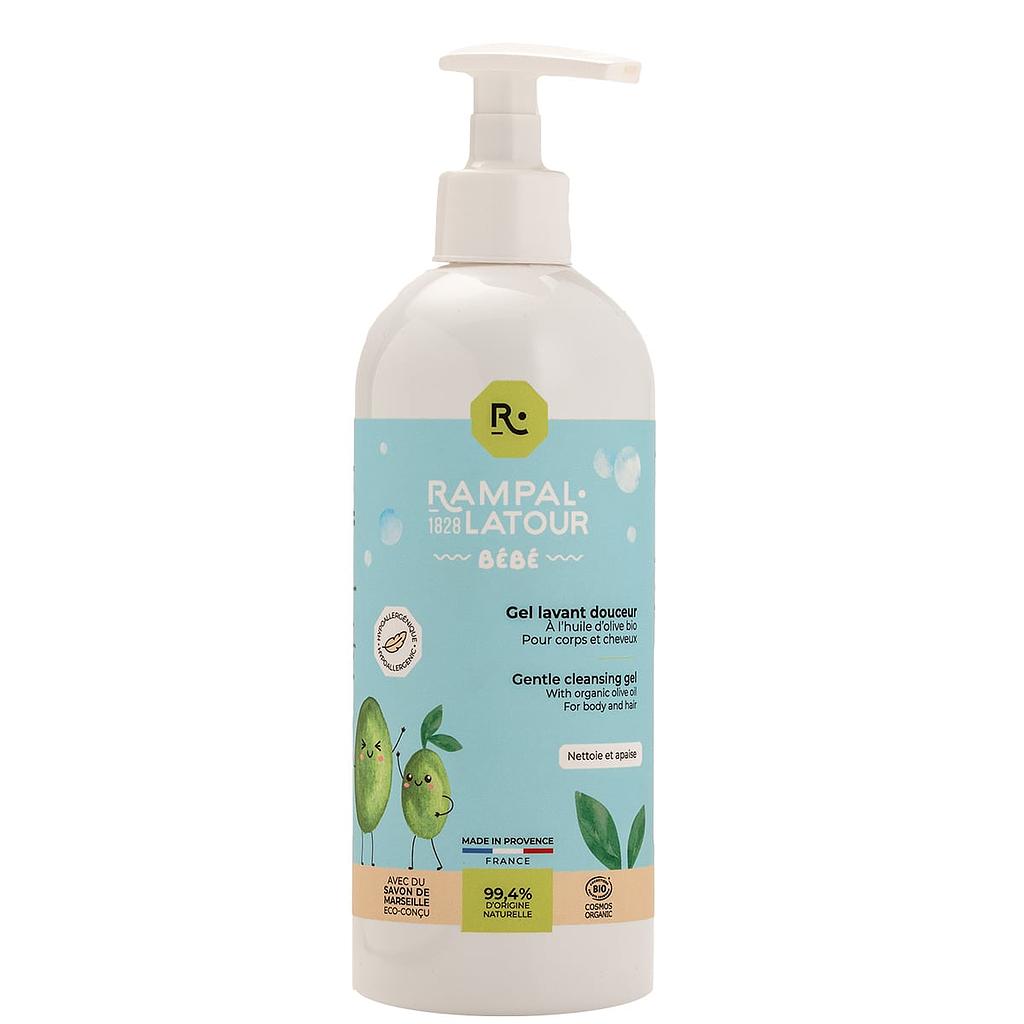
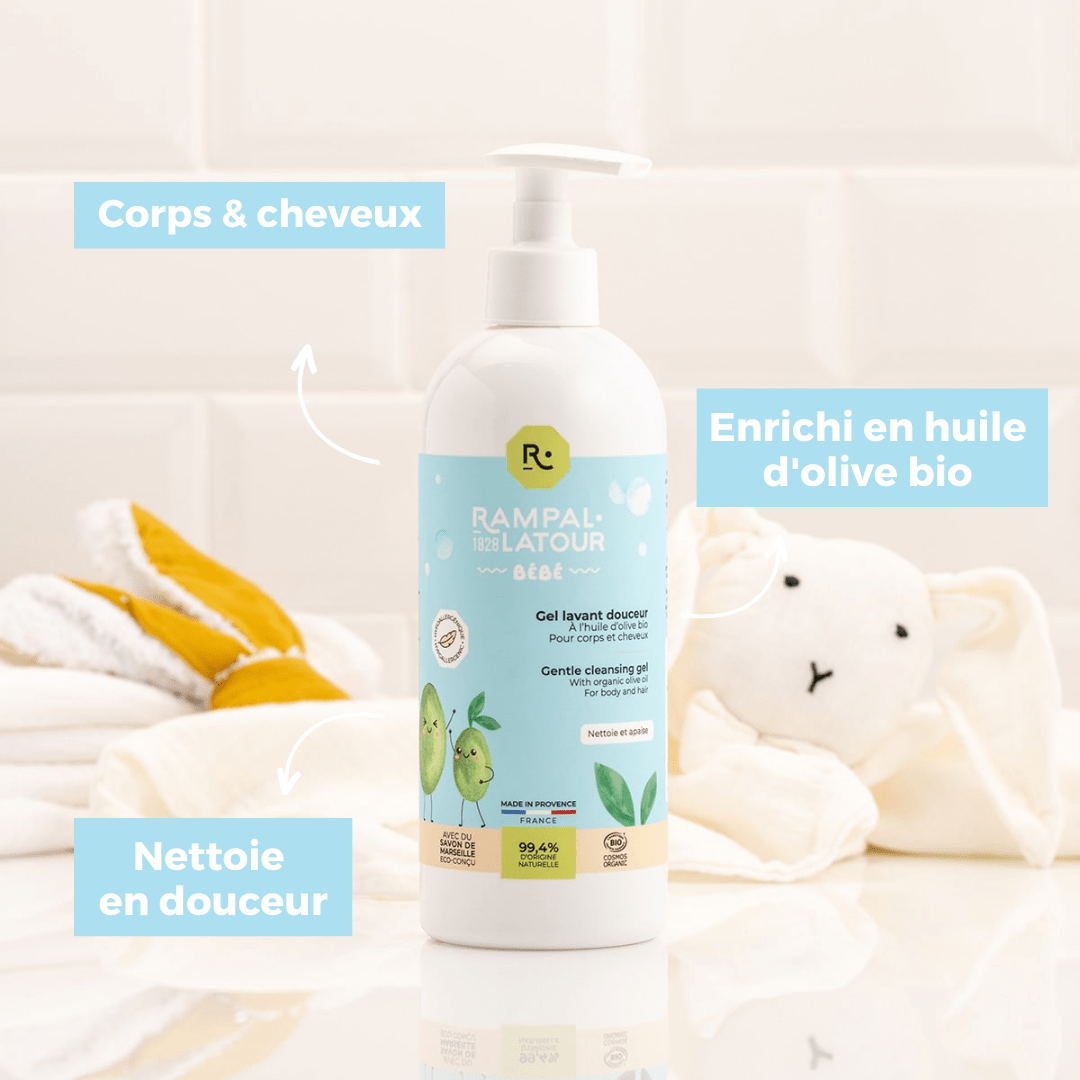
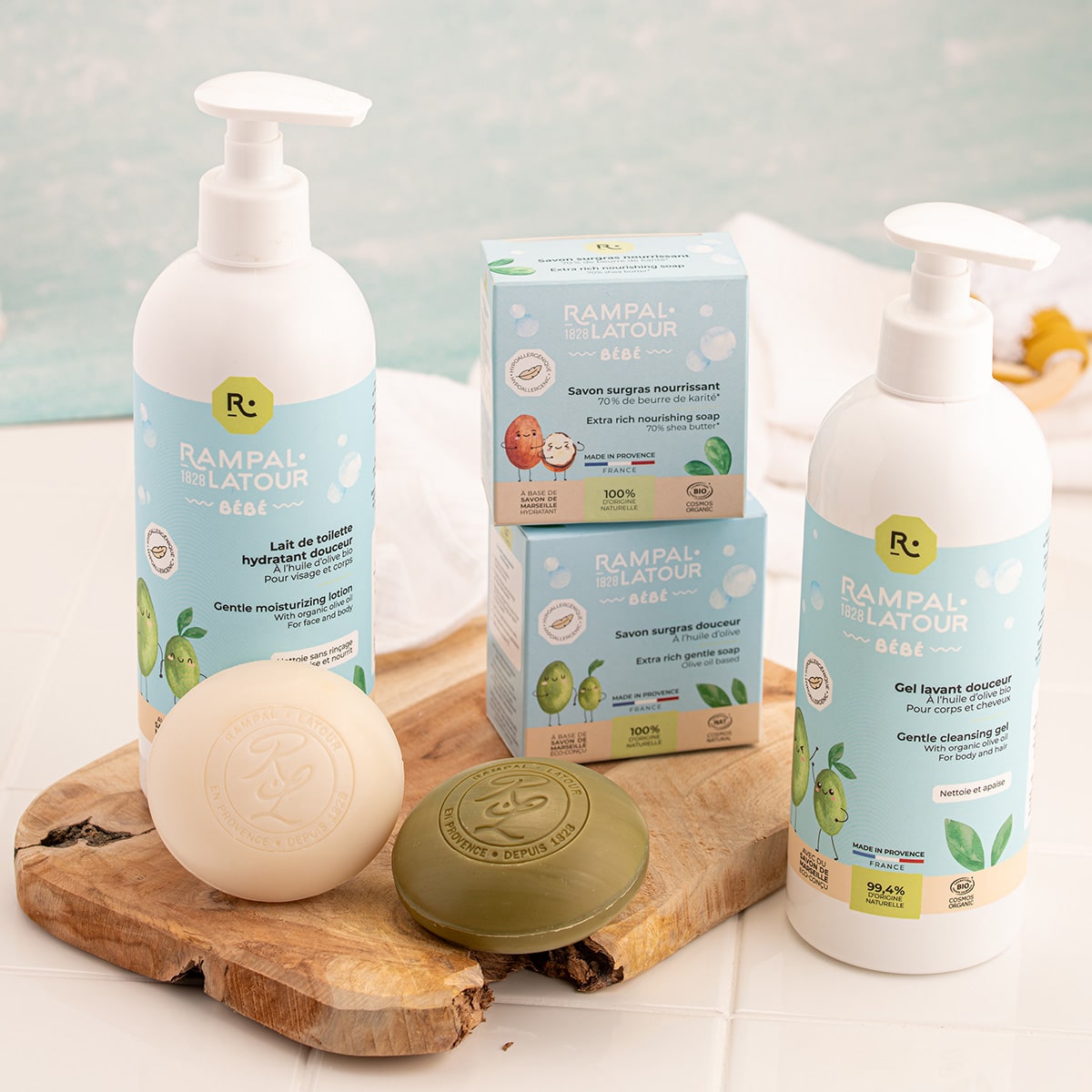
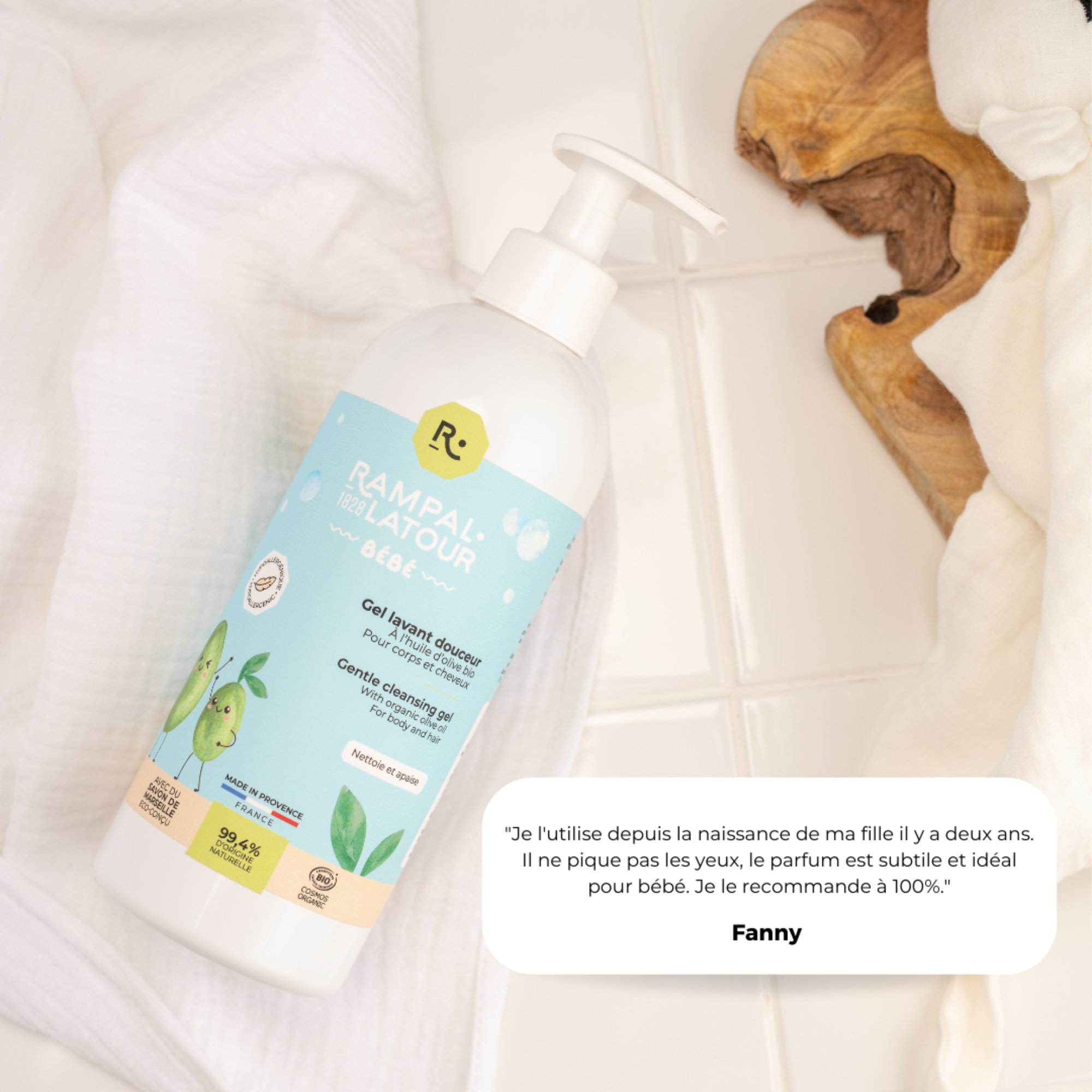
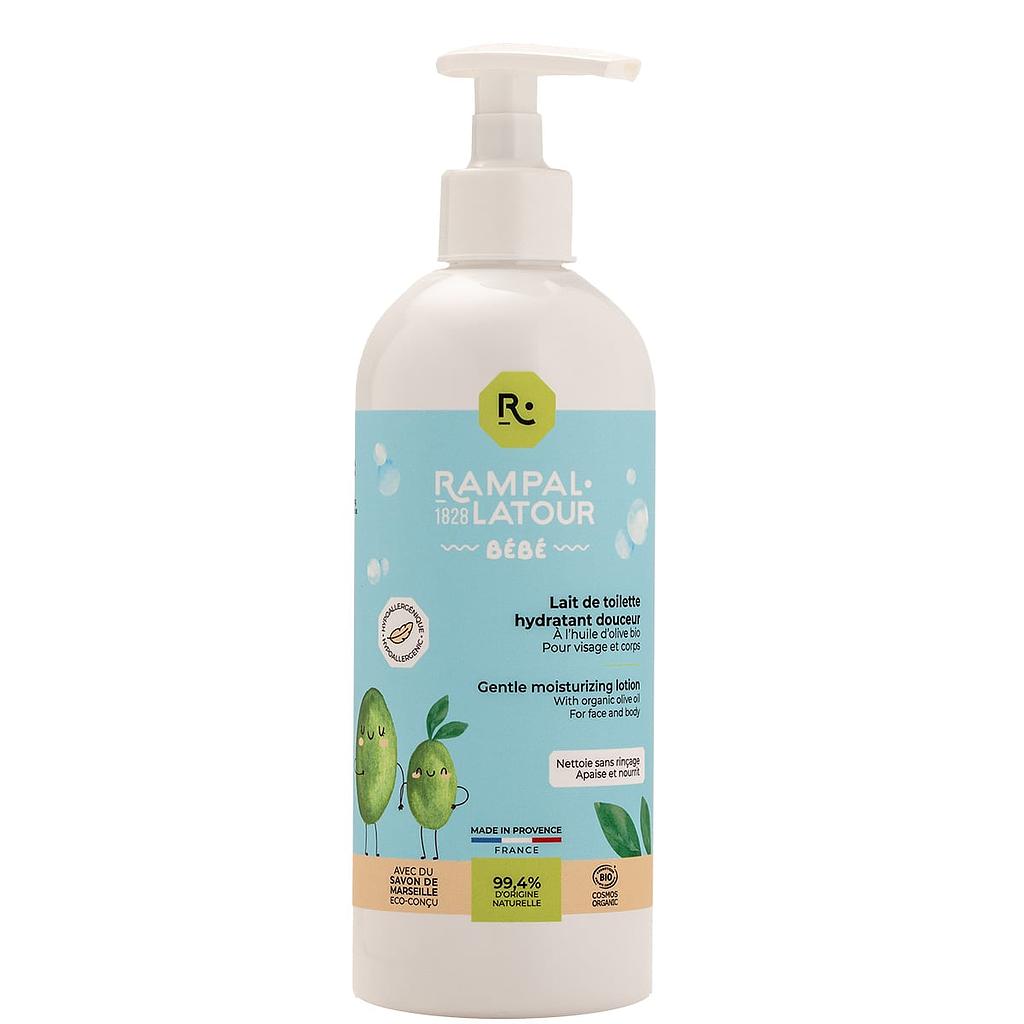
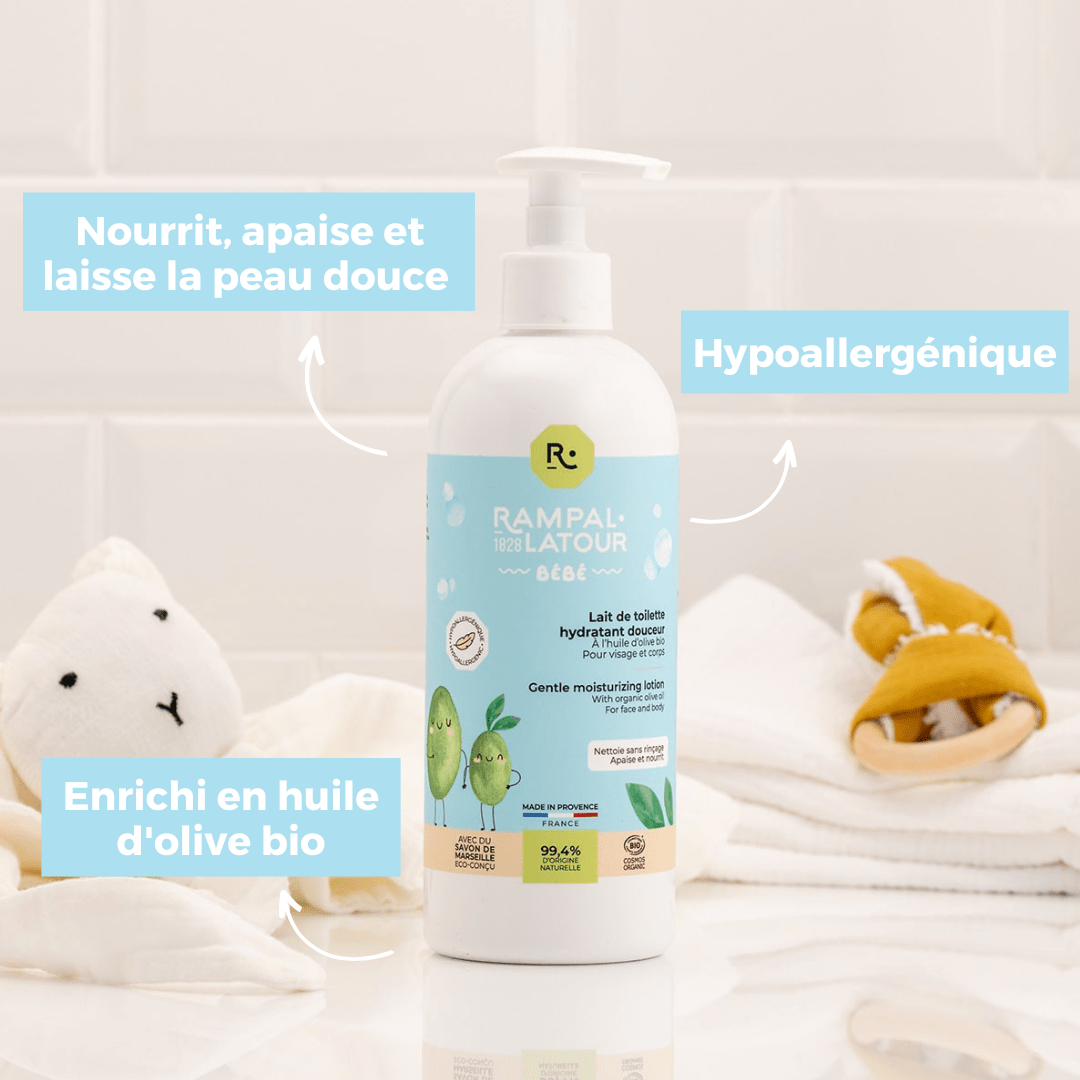
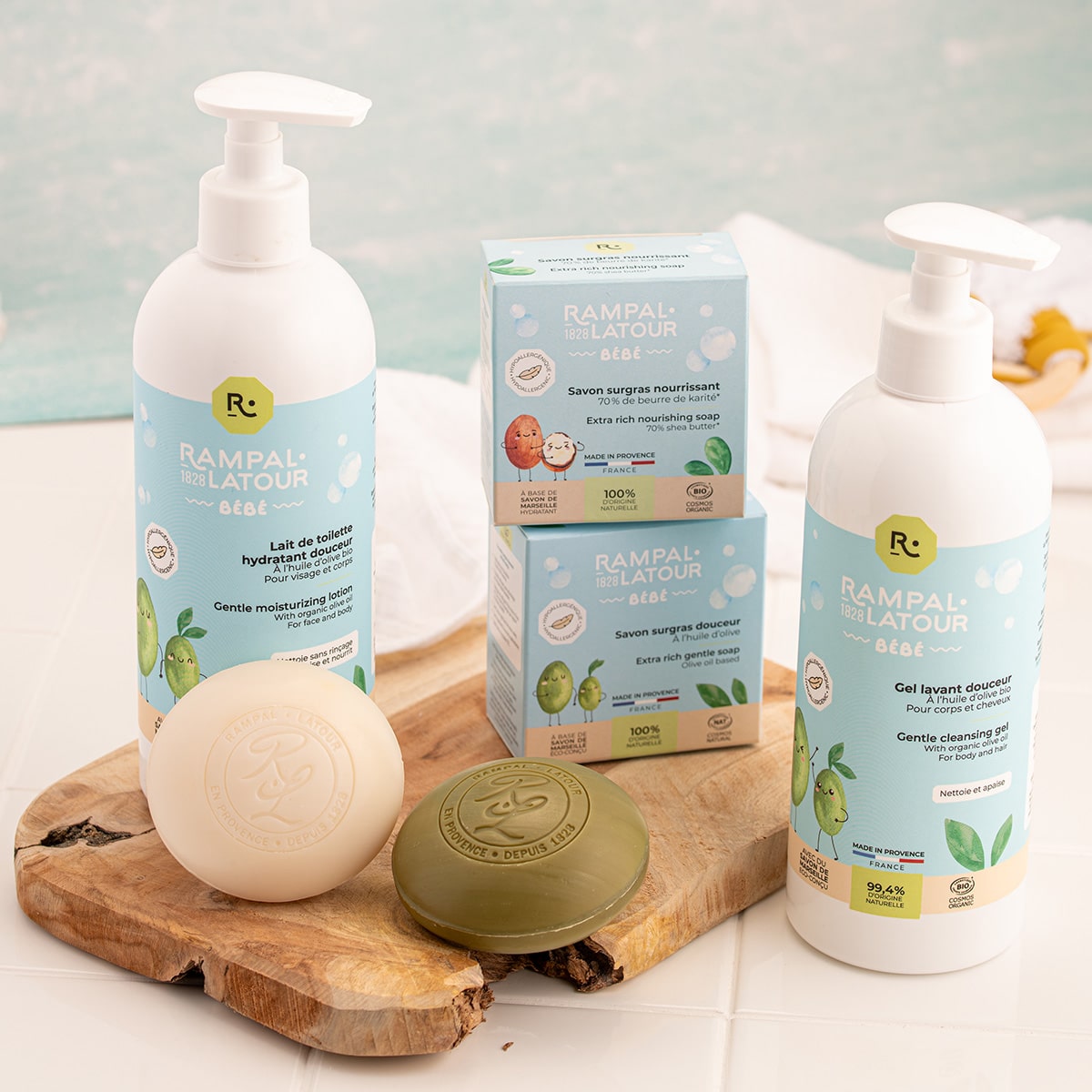
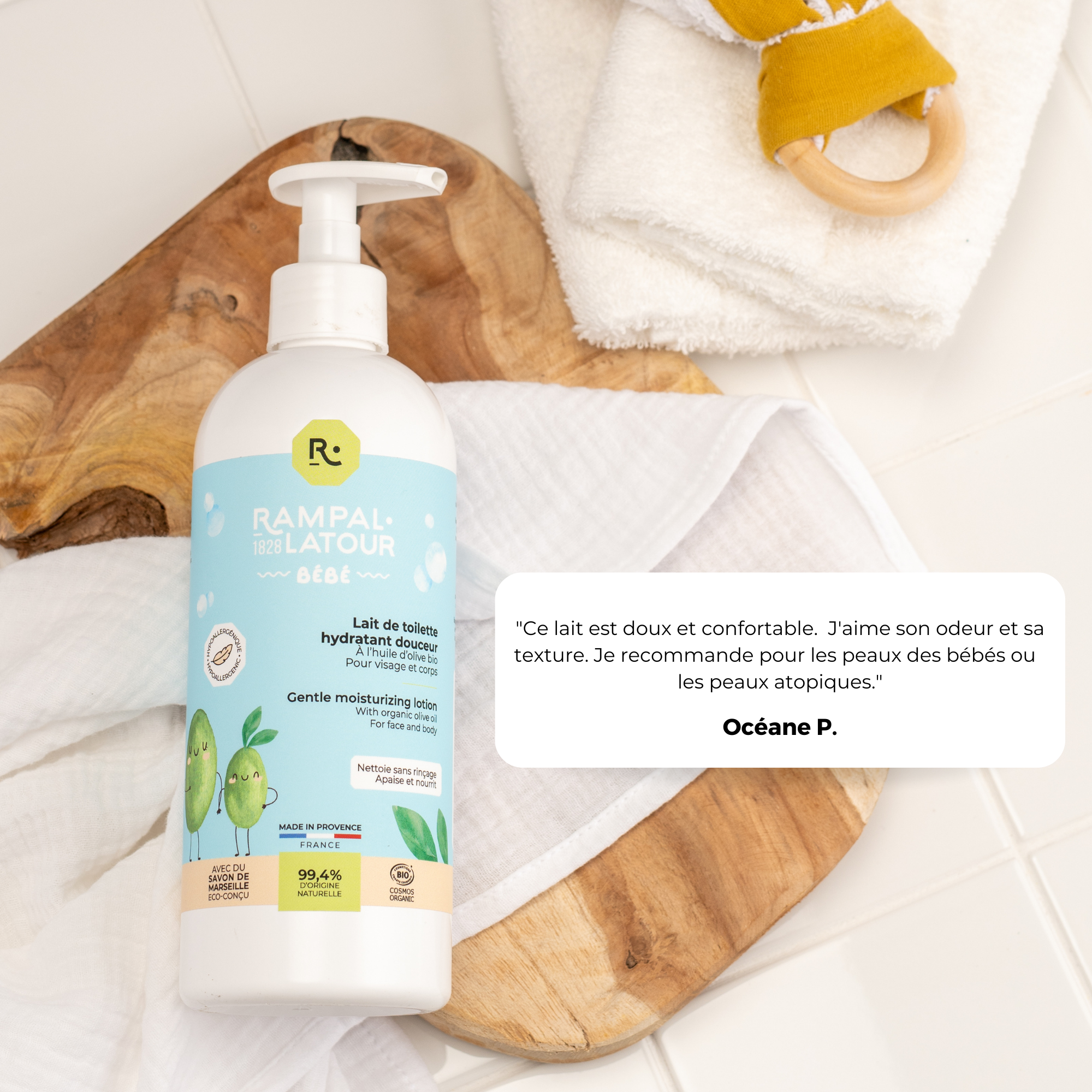
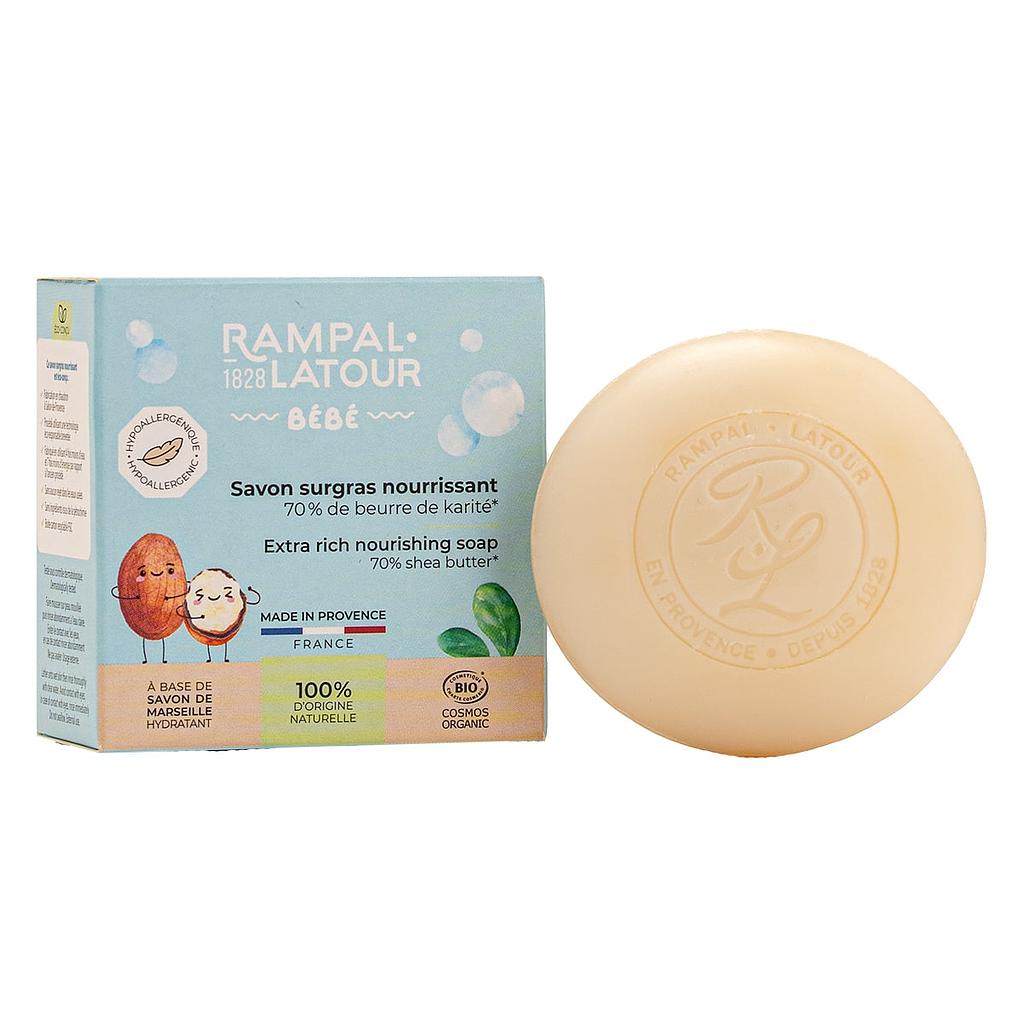
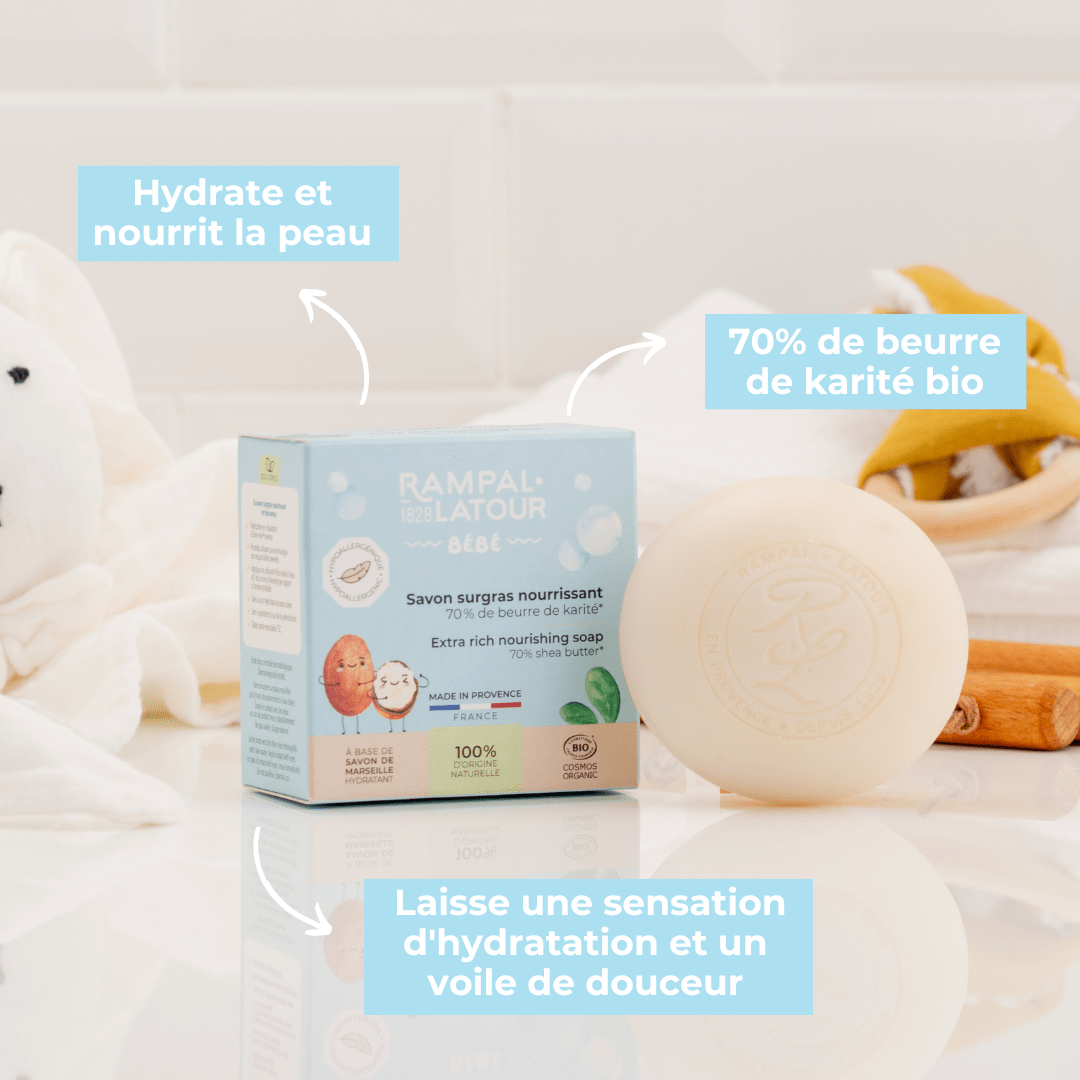
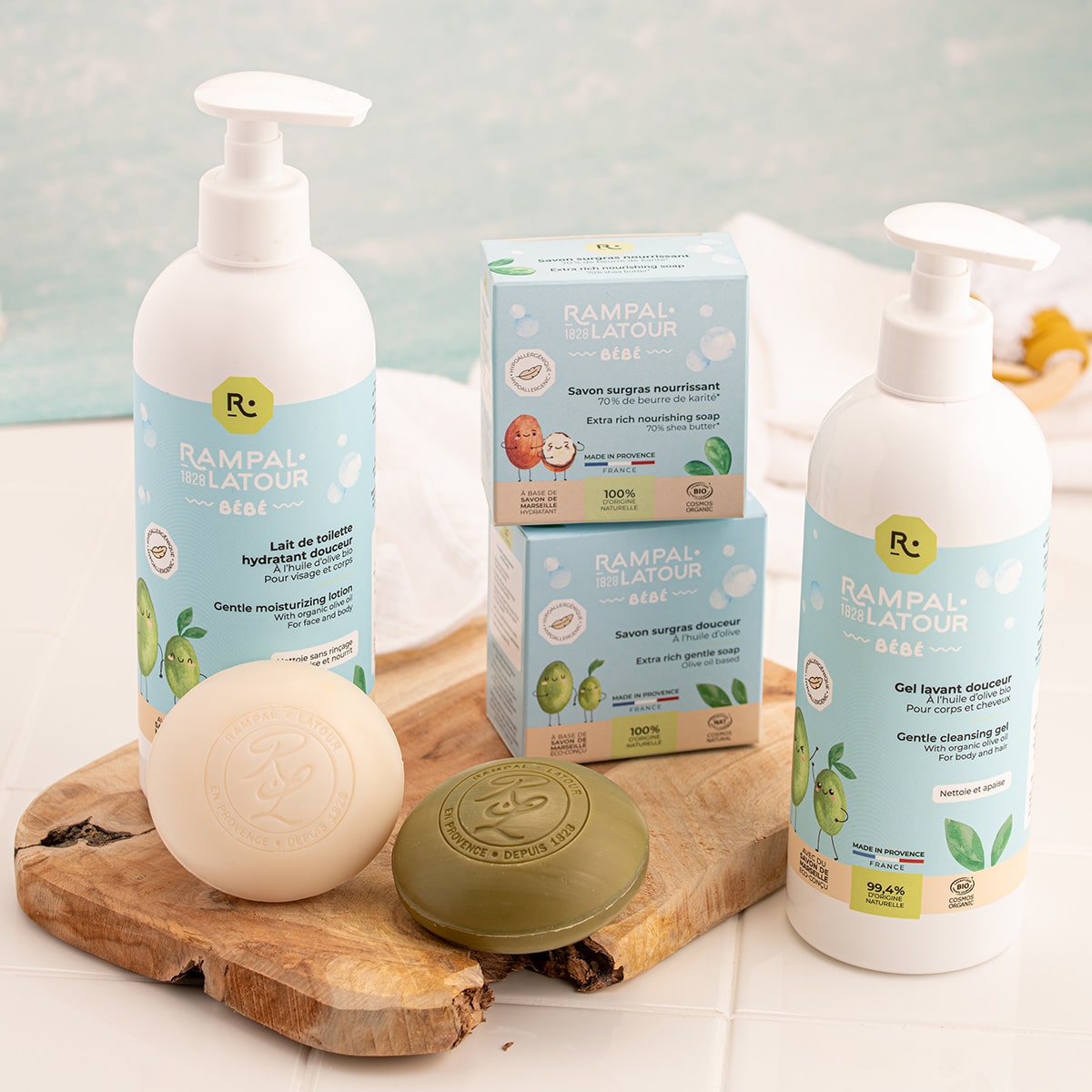
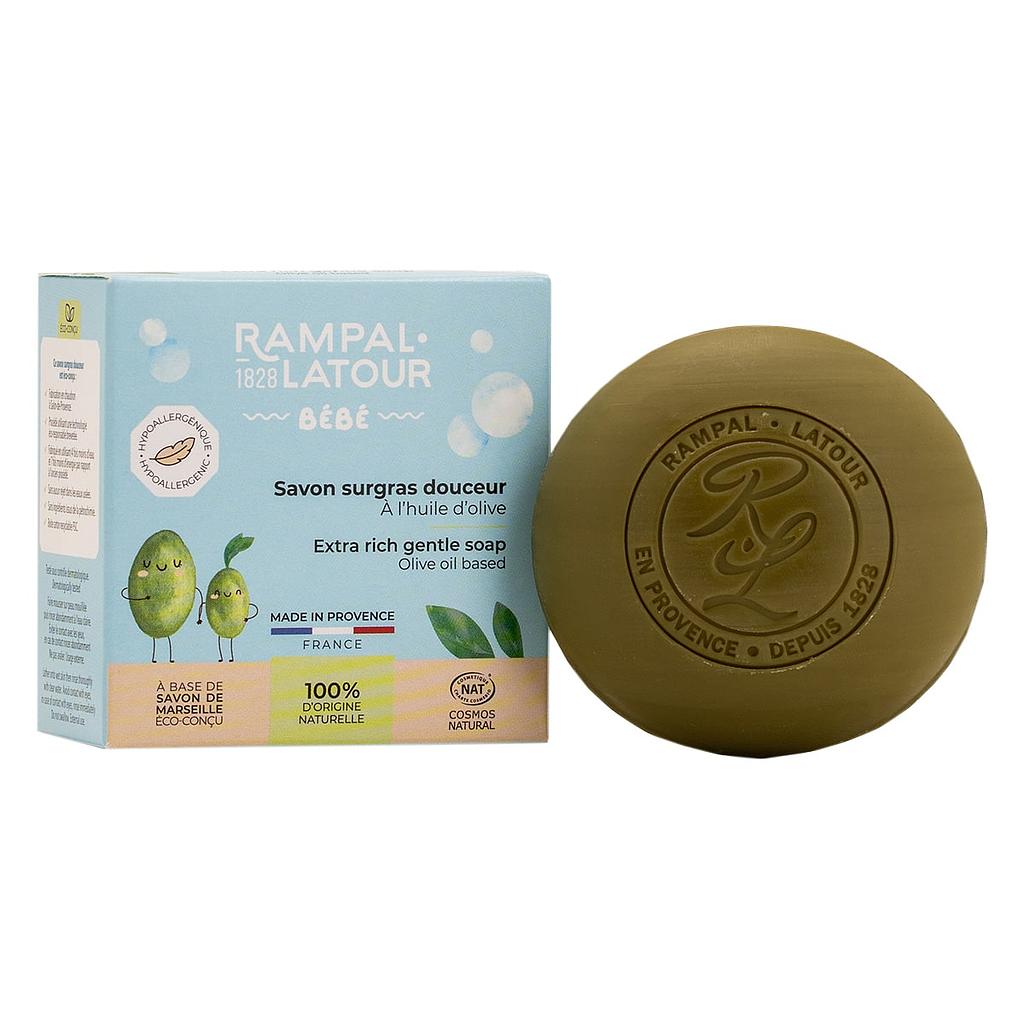
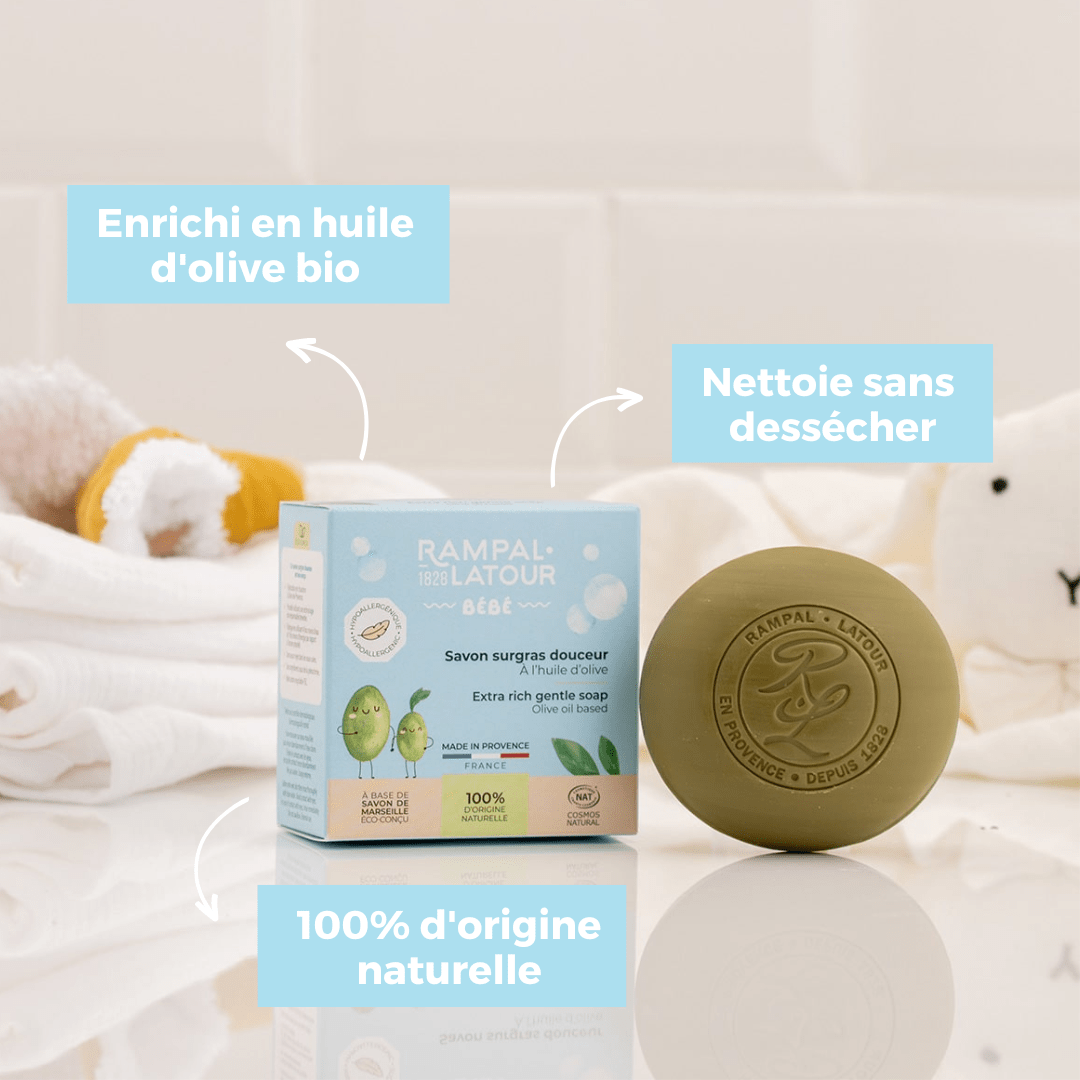
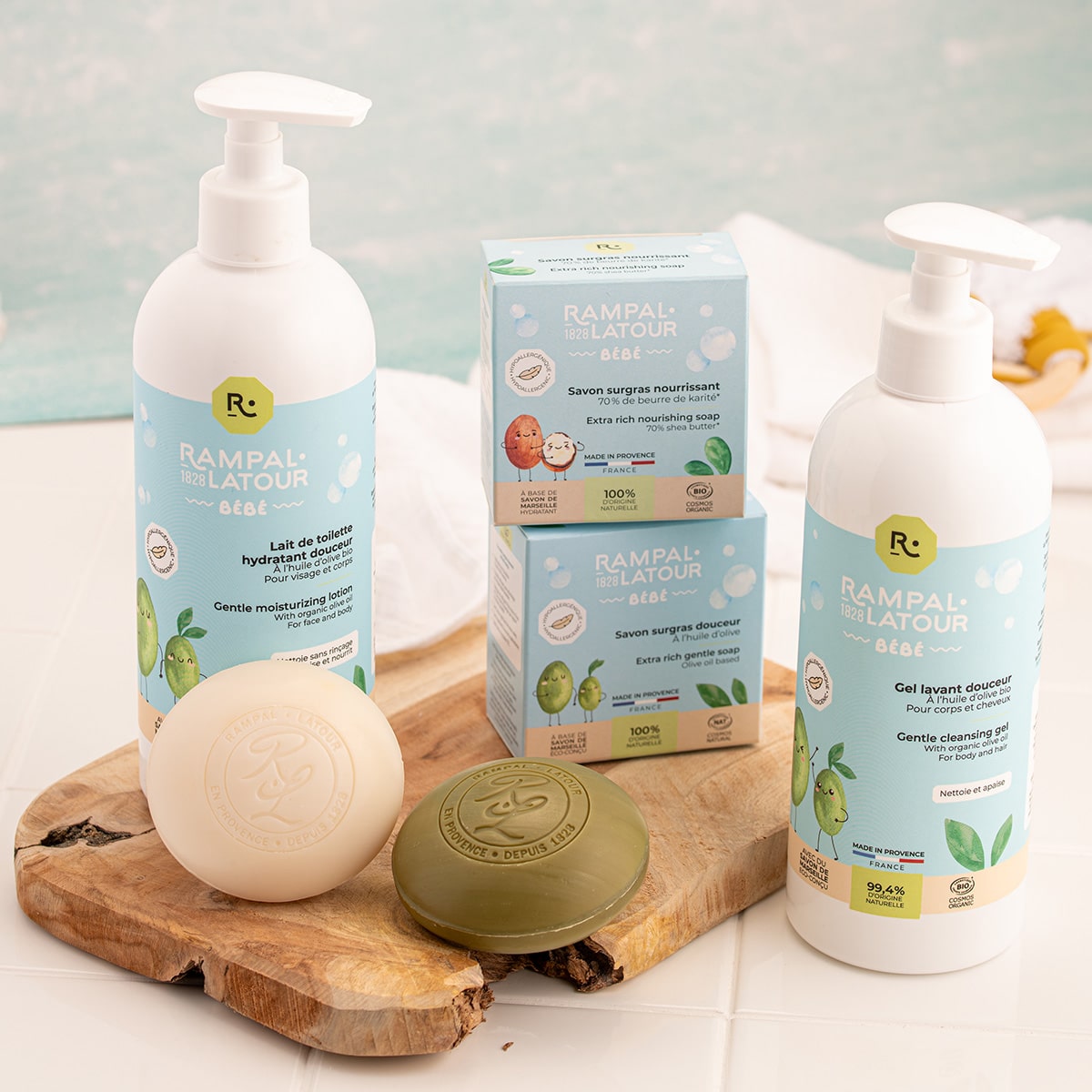
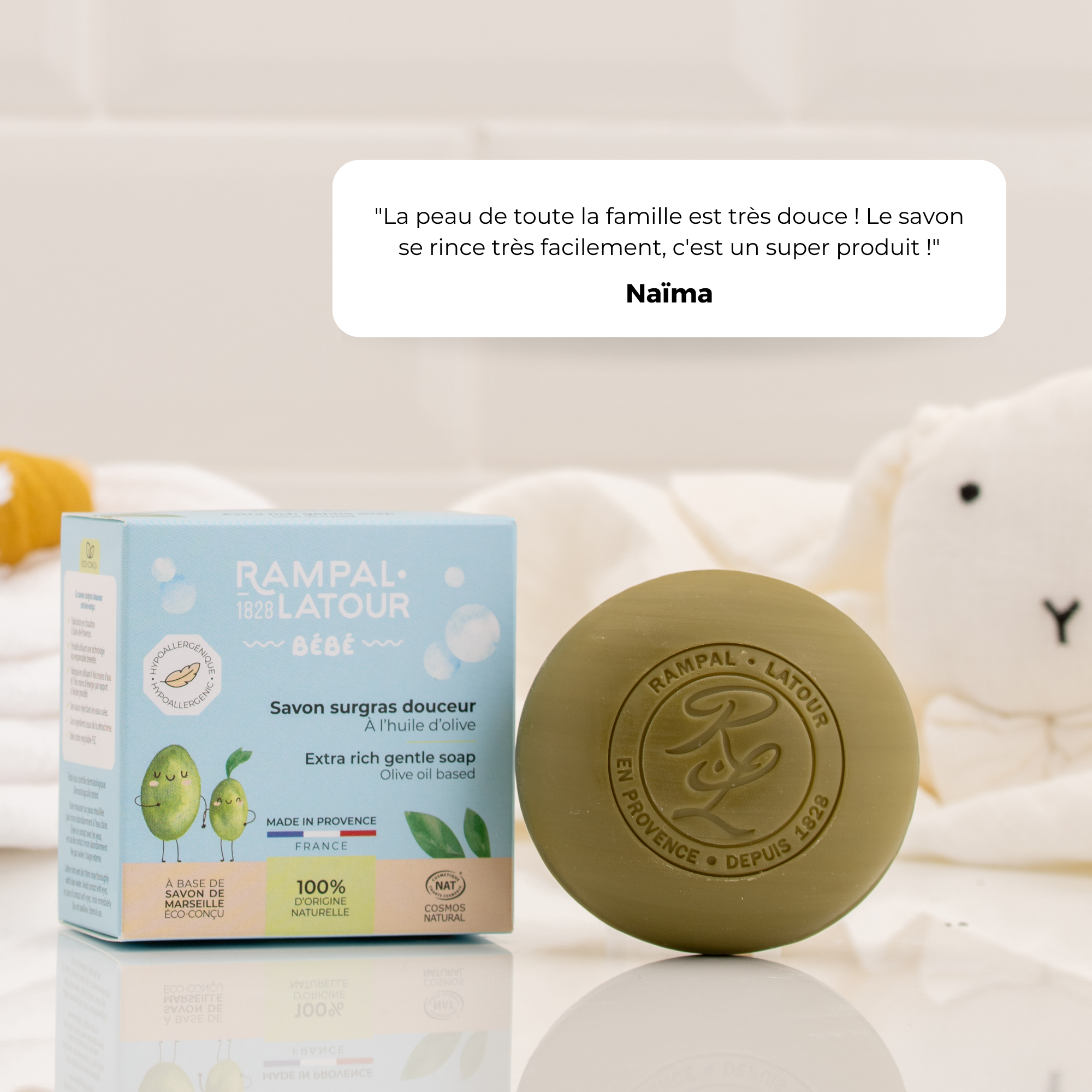
Similarly, there's no need to use a multitude of hygiene and skincare products. By limiting the number of cosmetics that come into contact with your baby's delicate skin , you minimize the potential for irritation. Stick to a few essentials: a Rampal Latour organic superfatted soap or a gentle cleansing gel paired with a certified organic moisturizing lotion is sufficient. The quantities used don't need to be large. By applying small amounts and spreading them carefully, you reduce the risk of irritation and allergies.
When choosing products, opt for those appropriate for your infant's age. Cosmetics specifically formulated for a baby's delicate skin will provide the necessary protection. Prioritize those with a SafeLife label, which guarantees compositions free of harmful substances such as endocrine disruptors, allergens, and nanomaterials.
Finally, when trying a new product, remember to test it on a small area first. This way, you can see if your baby's skin reacts.
The Rampal Latour baby range offers everything you need to care for your baby's skin with complete peace of mind. Our products are hypoallergenic and developed in collaboration with toxicology and dermatology experts. Formulated with a focus on prevention, our master soap makers have excluded over 180 controversial ingredients because caring for your baby's skin is as important to you as it is to us.
>>> LEARN MORE ABOUT SAFELIFE <<<
This article is intended to promote understanding and knowledge of general topics related to cosmetics and skin. It is not intended to replace the advice, diagnosis, or treatment of a professional. Always seek the advice of your doctor, dermatologist, or other qualified healthcare professional if you have any questions regarding a health problem or treatment.