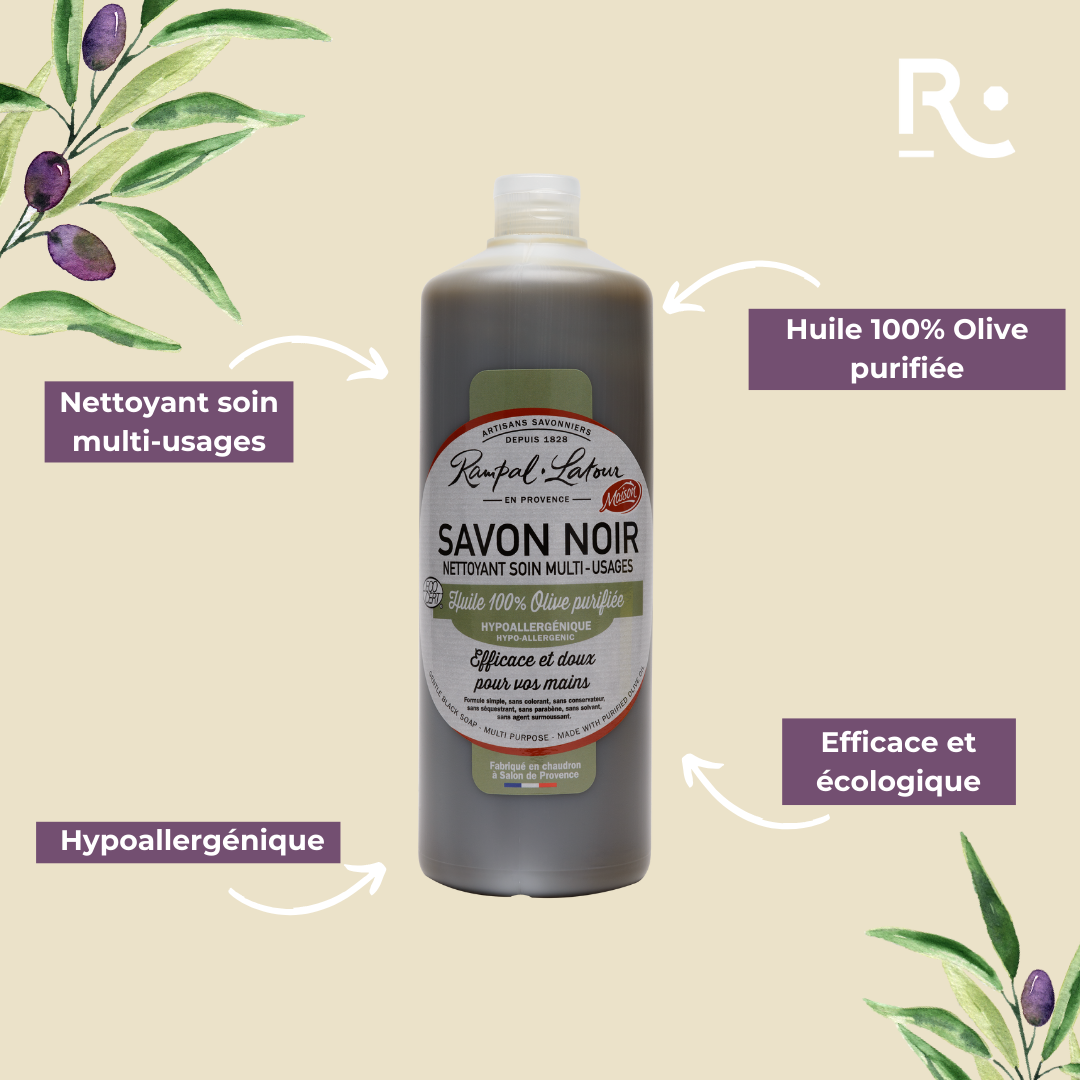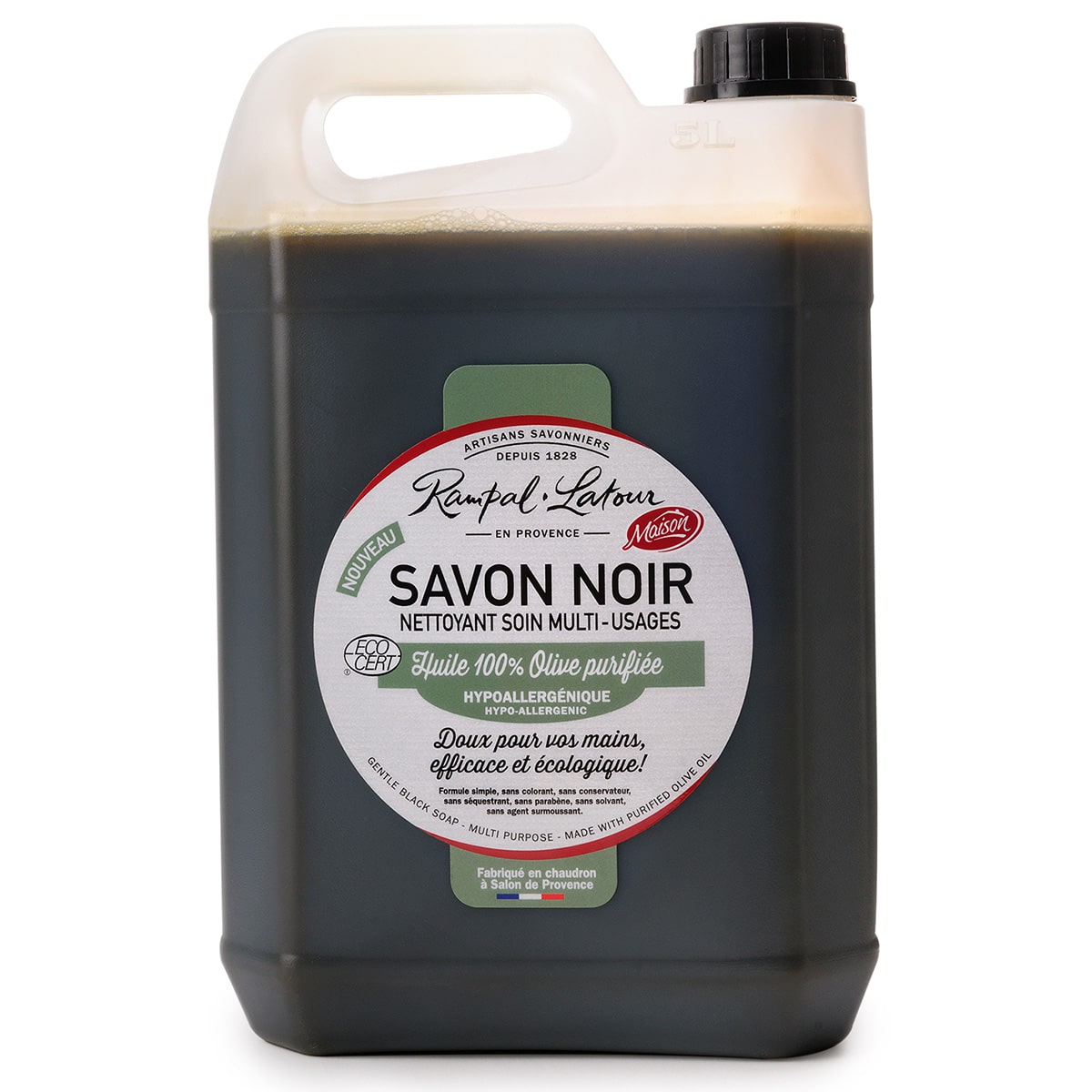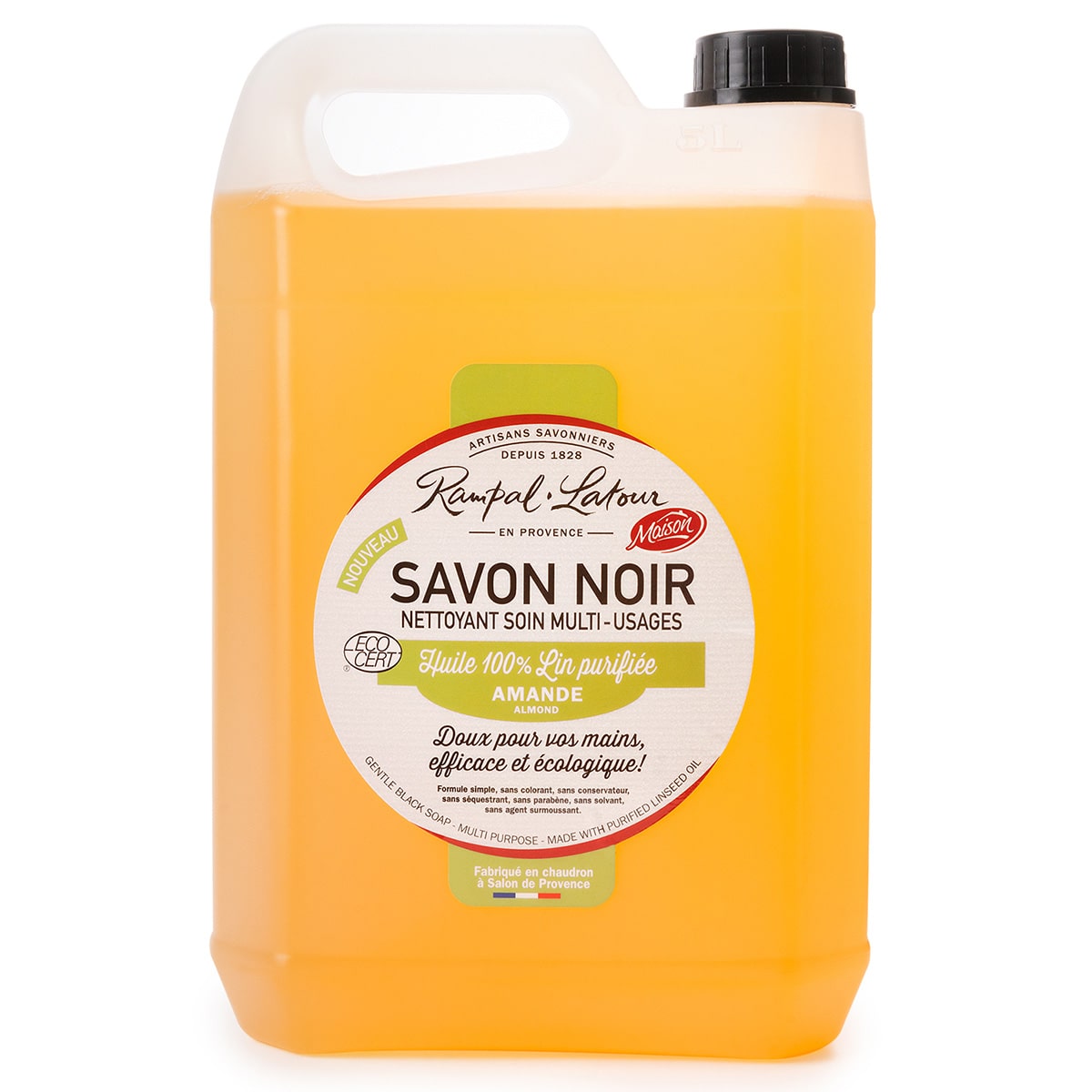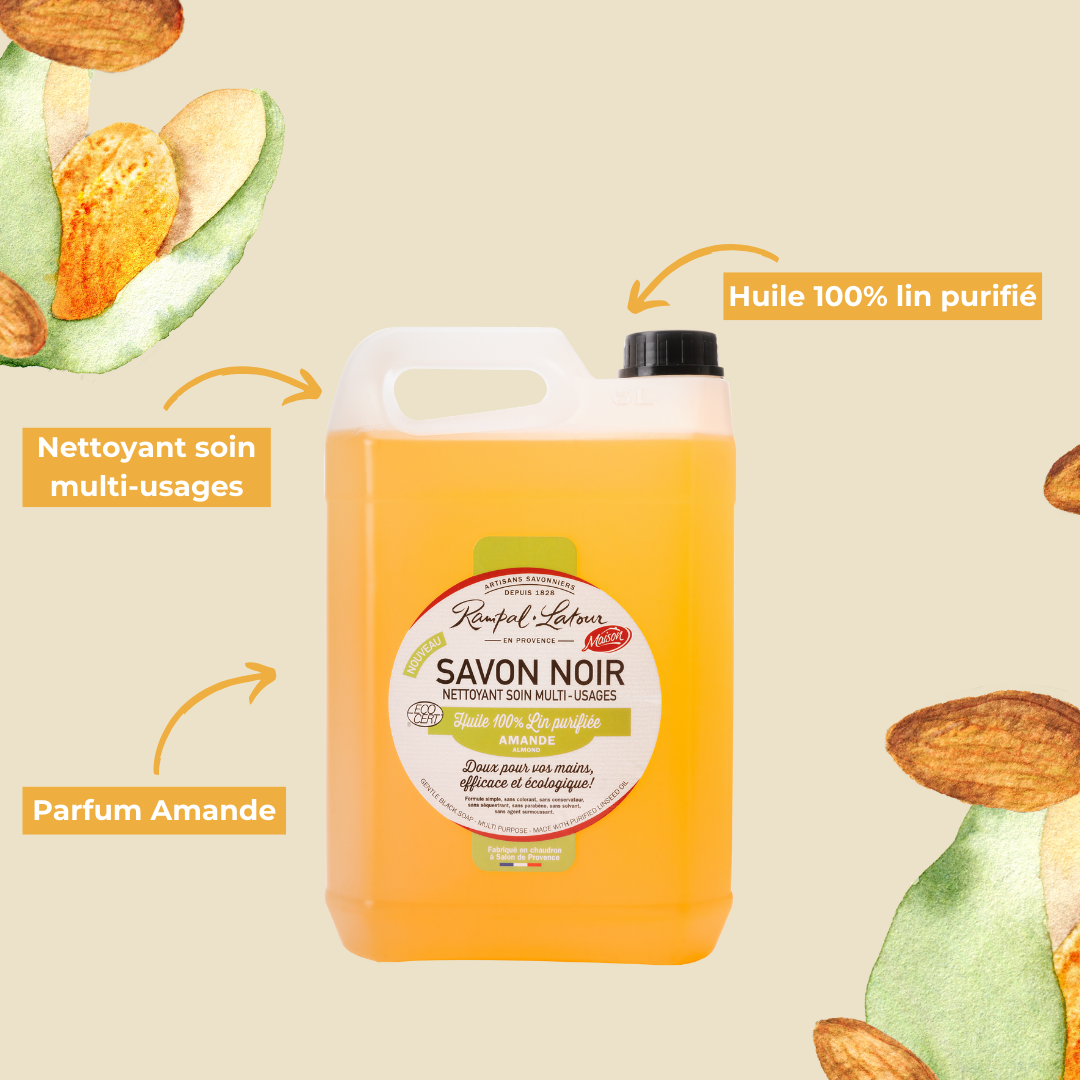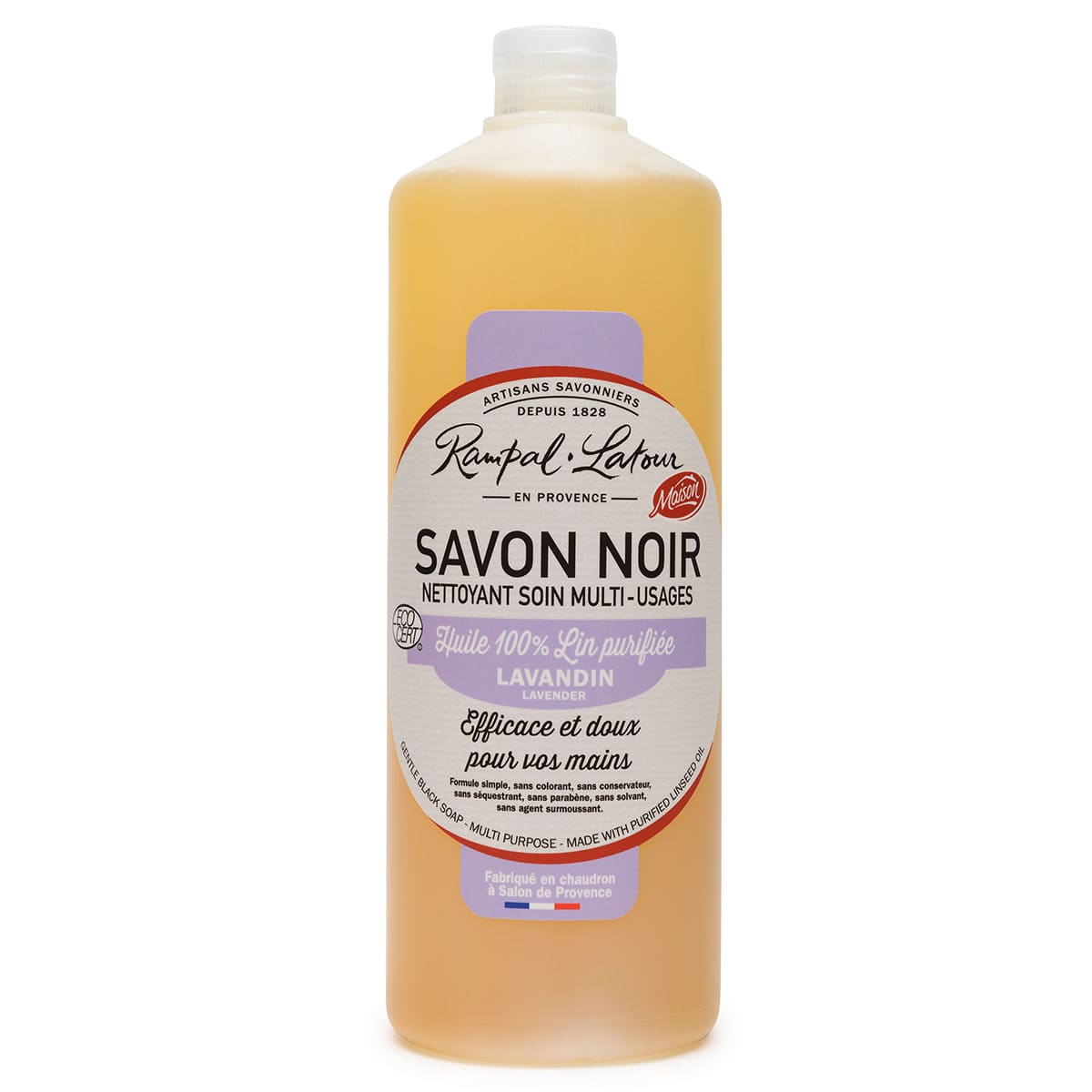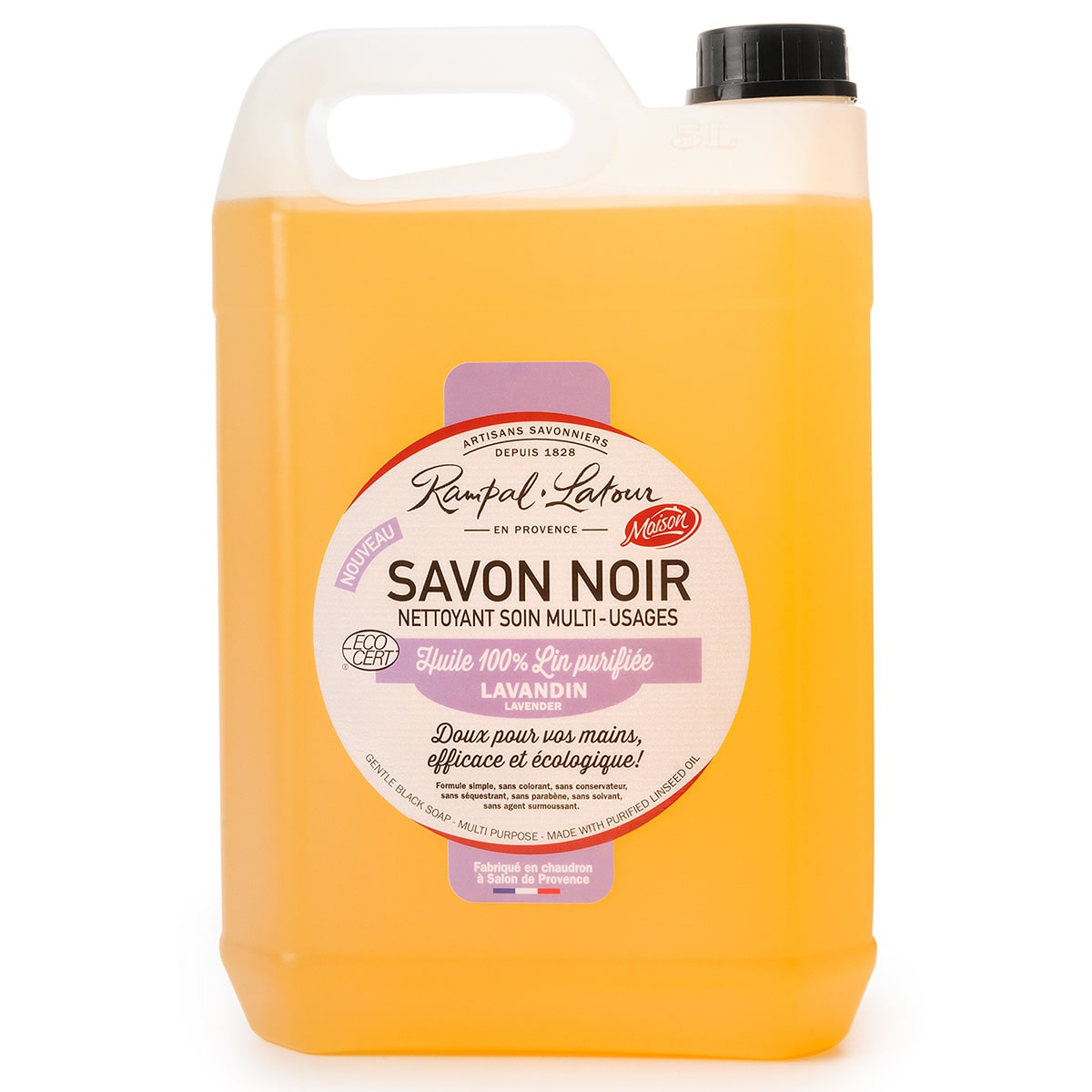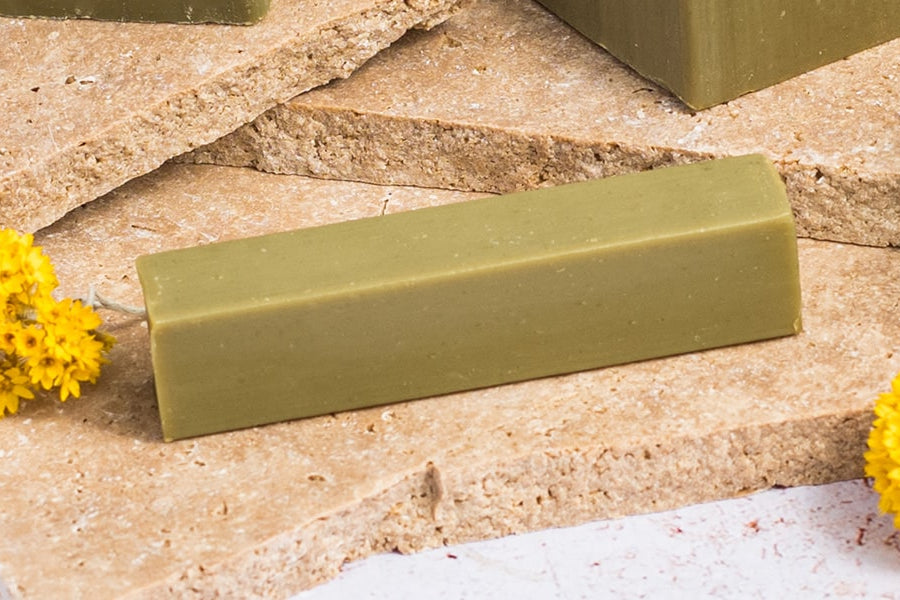

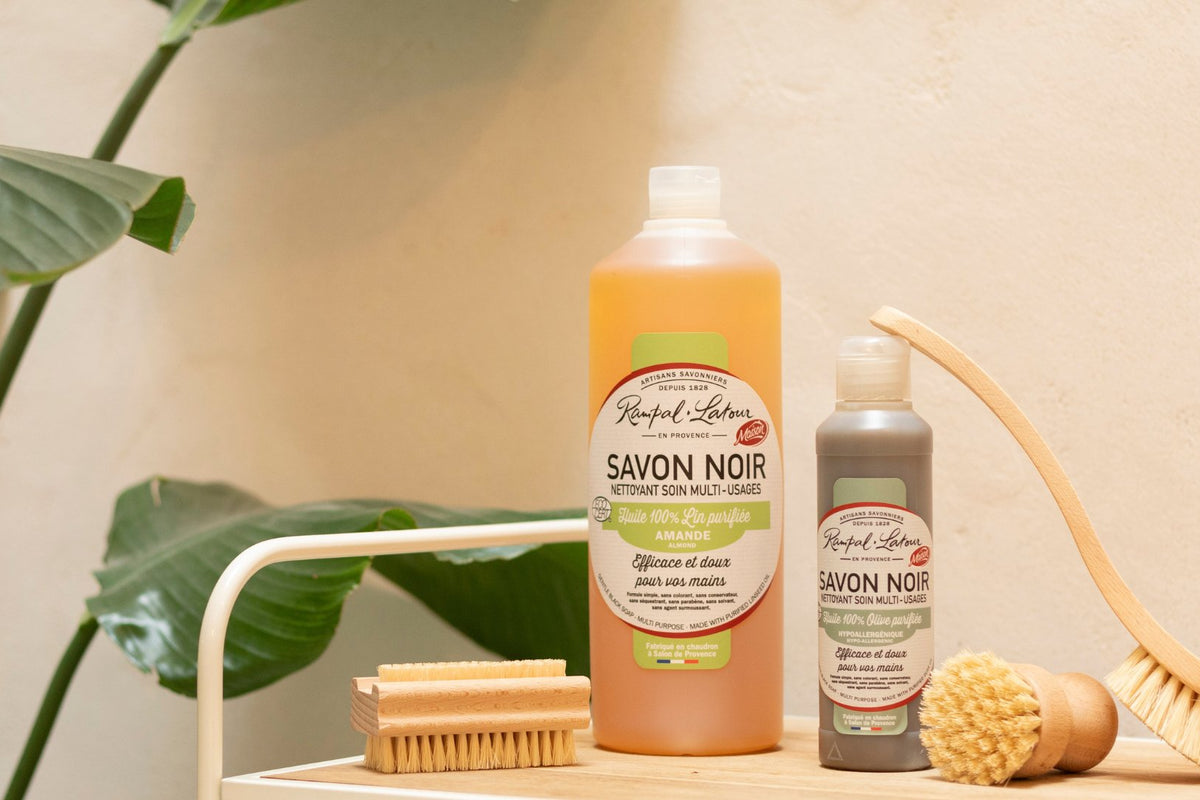


Black soap , also called soft soap or beldi black soap, is just as renowned as its counterpart, Marseille soap . Its origins are closely linked to human history. Created over 3,000 years ago, it originated in Morocco, where it is made from olive or linseed oil, crushed black olives, and potash. It became a staple in hammams, where it is used for body care. Its low pH makes it a gentle soap for sensitive skin.
Two types of black soap exist. The first, soft and moisturizing, is made from crushed and macerated black olives. It is used for body care. The second, liquid, is made from olive oil and is intended for household cleaning.
Black soap for interior wood care
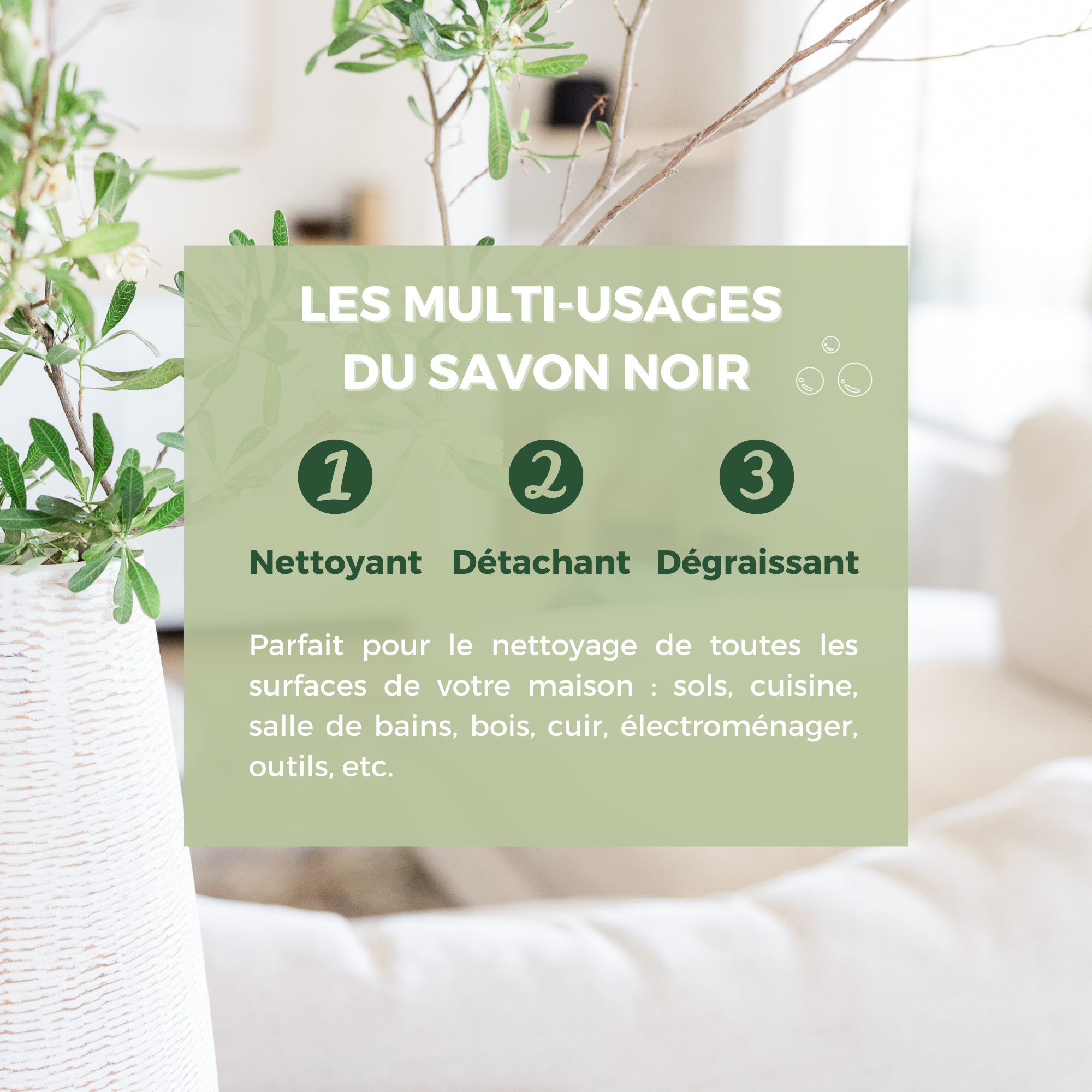
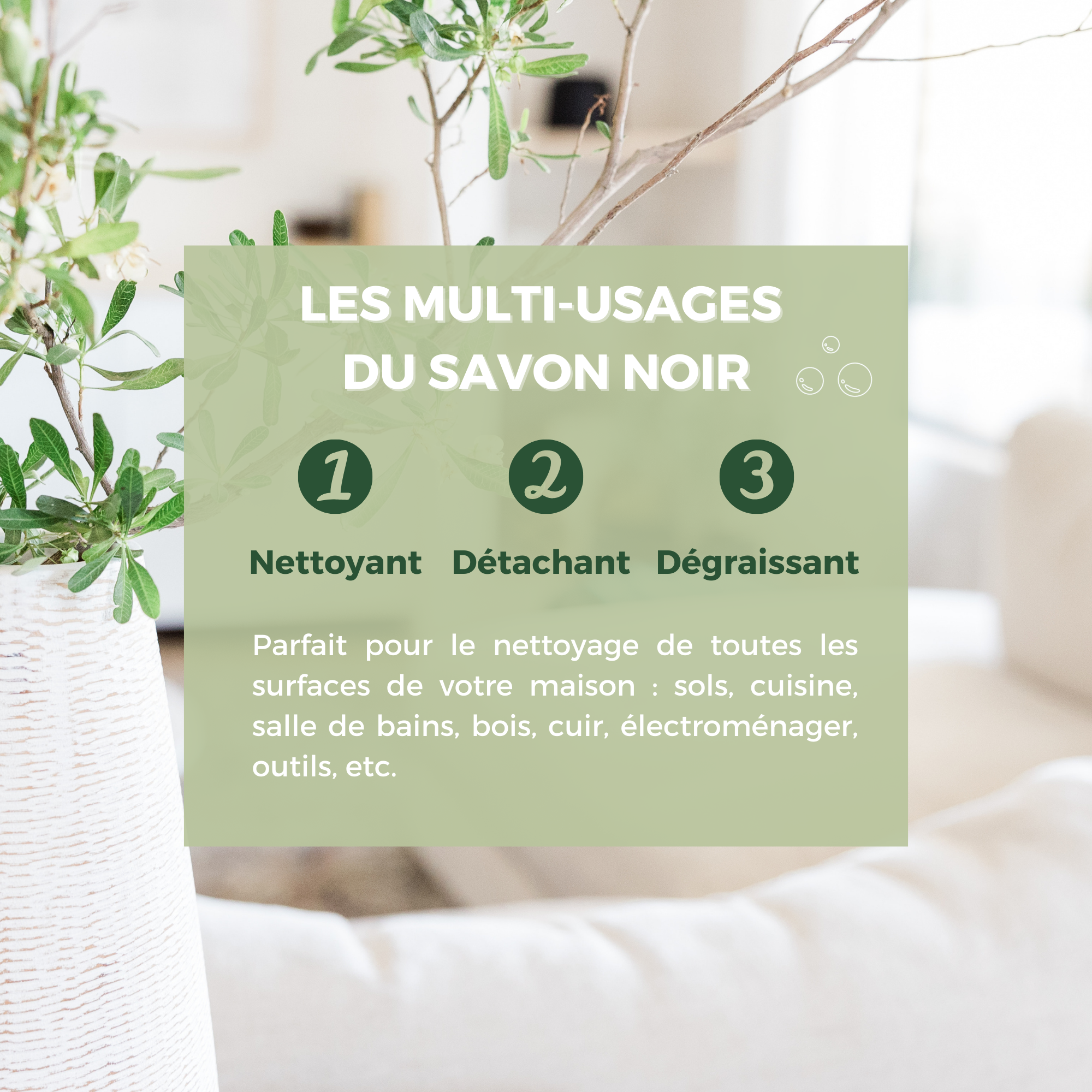
Black soap is a multi-purpose product that has proven its worth in every room of the house. For wood, it's a natural and effective ally. Whether it's parquet flooring, stairs, or furniture, all the wood in your home can be cleaned with this essential product.
How to clean your parquet floor using black soap?
Hardwood flooring is a beautiful and elegant floor covering that adds character to any interior. Constantly underfoot, it requires proper care to prevent damage. Rampal Latour offers advice on maintaining hardwood floors using black soap.
Black soap is a natural and gentle degreaser and cleaner that can be used on all types of wood flooring (solid, engineered, or laminate). It cleans deeply without damaging the wood fibers, ensuring it stays beautiful for years to come.
Before starting, the golden rule to keep in mind is that parquet flooring doesn't like water. Cleaning should always be done without flooding the floor.
Dust your parquet floor at least once a week to remove dust and debris that could scratch it. Ideally, use a microfiber mop or a vacuum cleaner with a suitable attachment.
Dilute a glass of black soap with olive oil in 5 liters of water and use a soft, well-wrung mop without leaving excess water, then let it dry without rinsing.
For optimal results, depending on the finish of the parquet floor, it may be necessary to apply oil or wax once or twice a year to protect it.
Can I clean my wooden staircase with black soap?
A wooden staircase blends seamlessly into any interior. Whether contemporary or classic, it adds a warm and aesthetically pleasing touch. Just like hardwood flooring, it requires regular maintenance to preserve its beauty.
Sweep with a soft broom or microfiber duster at least once a week, depending on usage and soiling. To better collect dust and remove fingerprints from the handrail, you can use a soft, slightly damp cloth without adding any product.
Once a month, perform a deeper cleaning using black soap (2 to 3 tablespoons of soap in 5 liters of water not too hot so as not to damage the wood and add a few drops of white vinegar).
Using a well-wrung cloth, clean the steps in the direction of the grain to avoid water pooling. Let it sit for 5 minutes before rinsing with clean water and drying with a microfiber cloth.
Is black soap useful for the maintenance of wooden furniture?
Maintaining the wood is essential to preserve the longevity and luster of your furniture, which can become dull or stained. While wooden furniture usually only requires regular dusting with a microfiber cloth, using a wood treatment product is recommended for more thorough cleaning or in case of stains.
Black soap has a low acid content, making it ideal for wood, whether varnished, lacquered, or waxed. The only exception is painted but unvarnished wood, for which it is best not to apply any product.
Dust the furniture using a microfiber cloth.
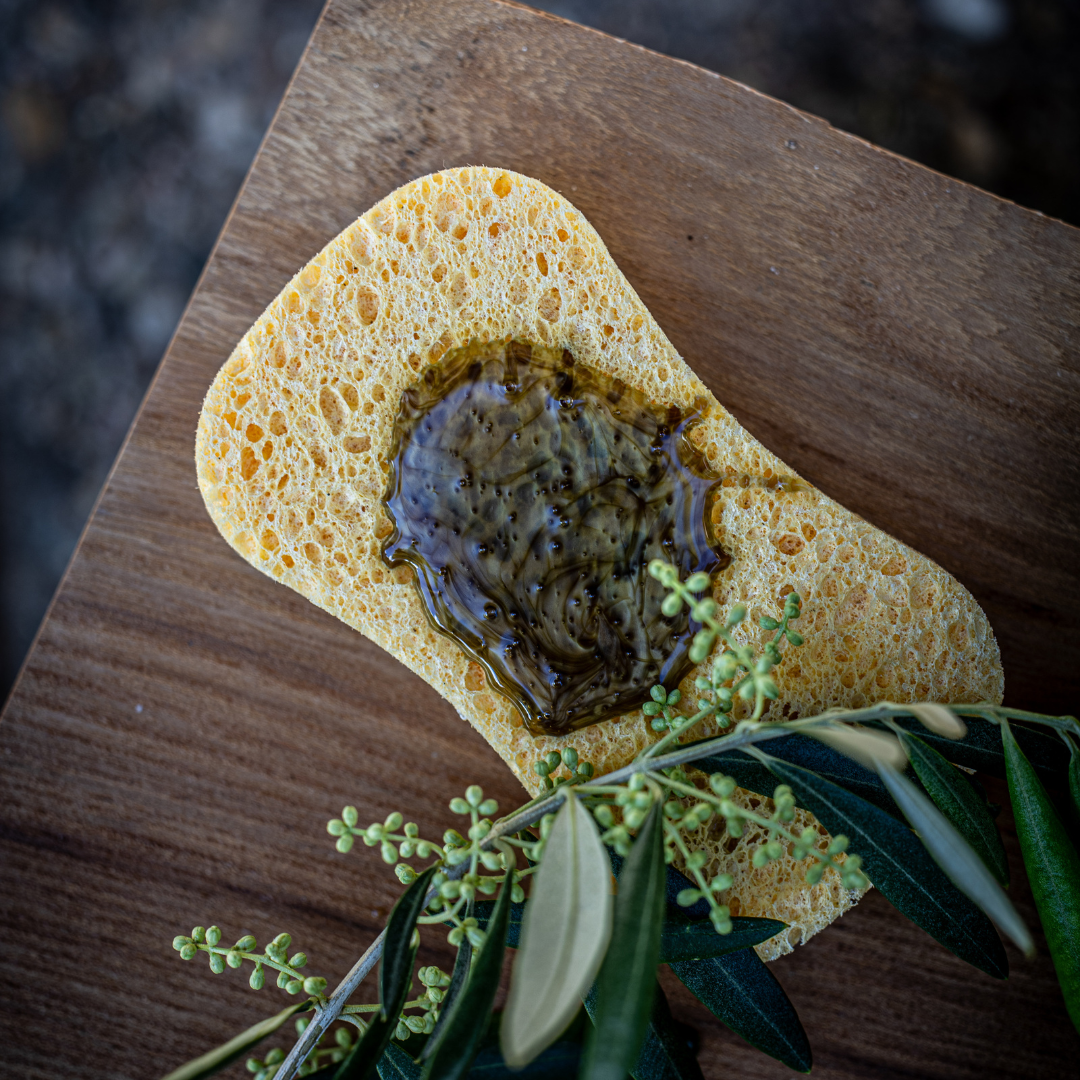
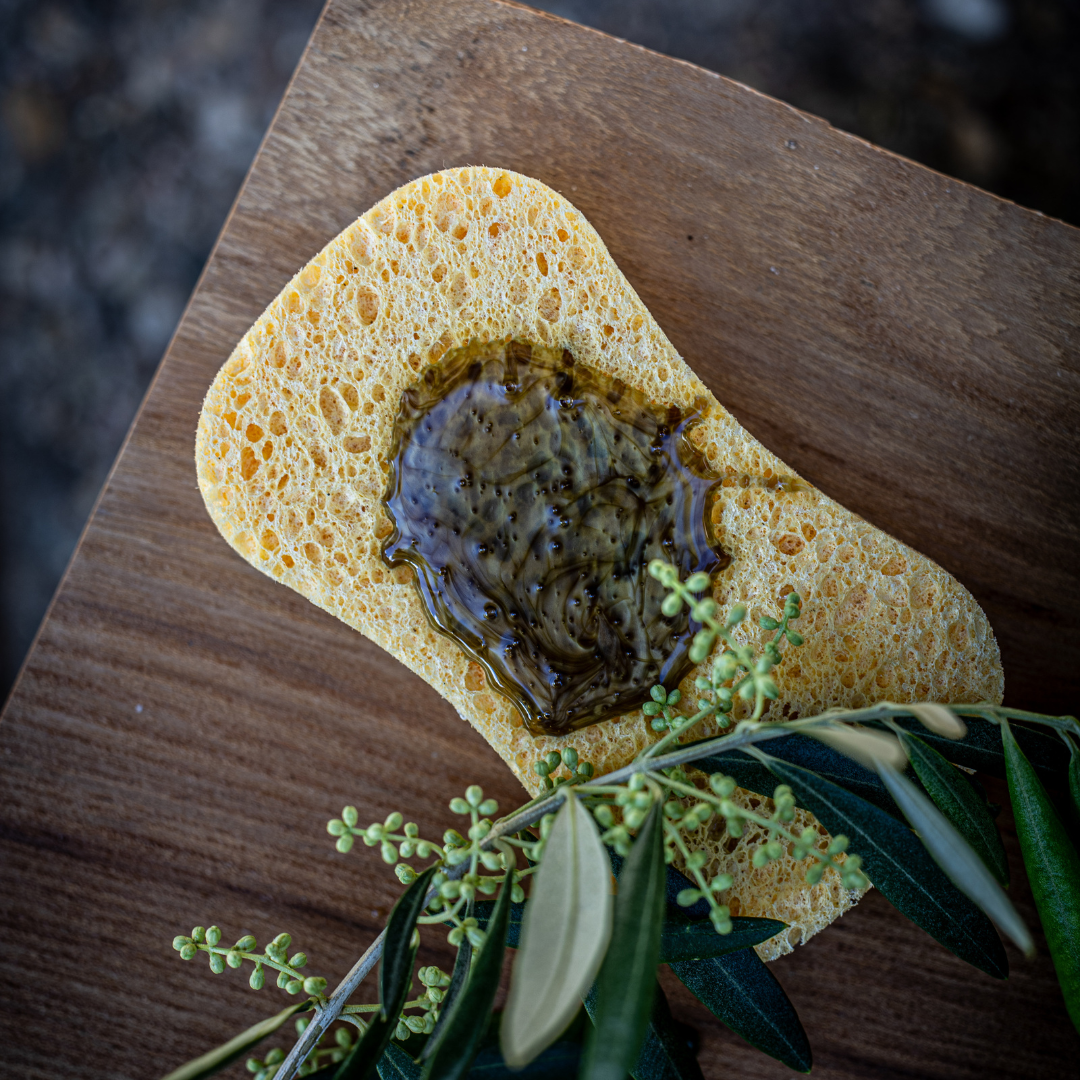
Place a drop of black soap directly onto a non-abrasive sponge or a slightly damp microfiber cloth and clean in the direction of the wood grain to avoid cracking. On lacquered furniture, a circular motion will be more suitable.
Allow to dry without rinsing.
Be careful not to pour the soap directly onto your furniture, as wood is a material that absorbs liquids and you risk seeing stains appear.
Is it recommended to maintain your wooden deck using black soap?
Black soap is also an indispensable ally in the garden. While it has numerous uses for the gardener, the patio can also benefit from its properties.
The deck is the centerpiece of your outdoor space. Traditionally made of wood, the material lends a natural and elegant look to your outdoor area. A welcoming place to gather, but also a passageway to access the lawn or vegetable garden, it is heavily used and exposed to the elements. Over time, a wooden deck can become covered in moss, lichen, and stains. It eventually darkens and may take on a greenish hue.
To preserve the beauty of your terrace, regular maintenance is essential. Rampal Latour recommends cleaning it once or twice a year.
For effective maintenance that does not damage the wood, black soap is the solution that combines effectiveness and eco-responsibility.
Sweep to remove all dirt and plant debris.
In 10 liters of very hot water, mix 10 tablespoons of black soap.
Since the decking wood is treated to resist moisture, pour the mixture directly onto the wood.
Brush the entire surface with a stiff broom in the direction of the slats, then rinse thoroughly.
In addition to effective cleaning, black soap will revive the natural appearance of the wood. If stains remain after cleaning, repeat the same procedure, adding 10 tablespoons of baking soda to the mixture.