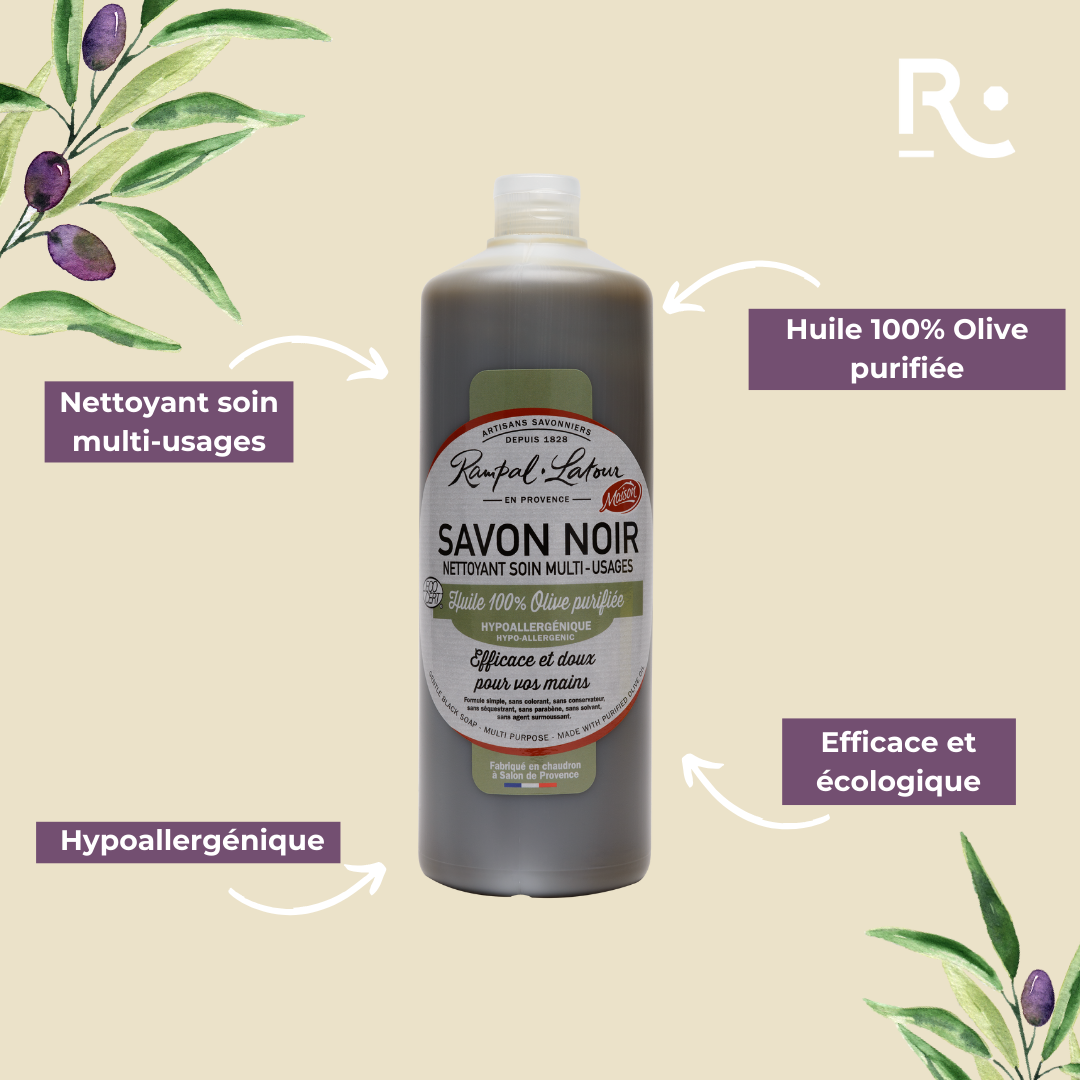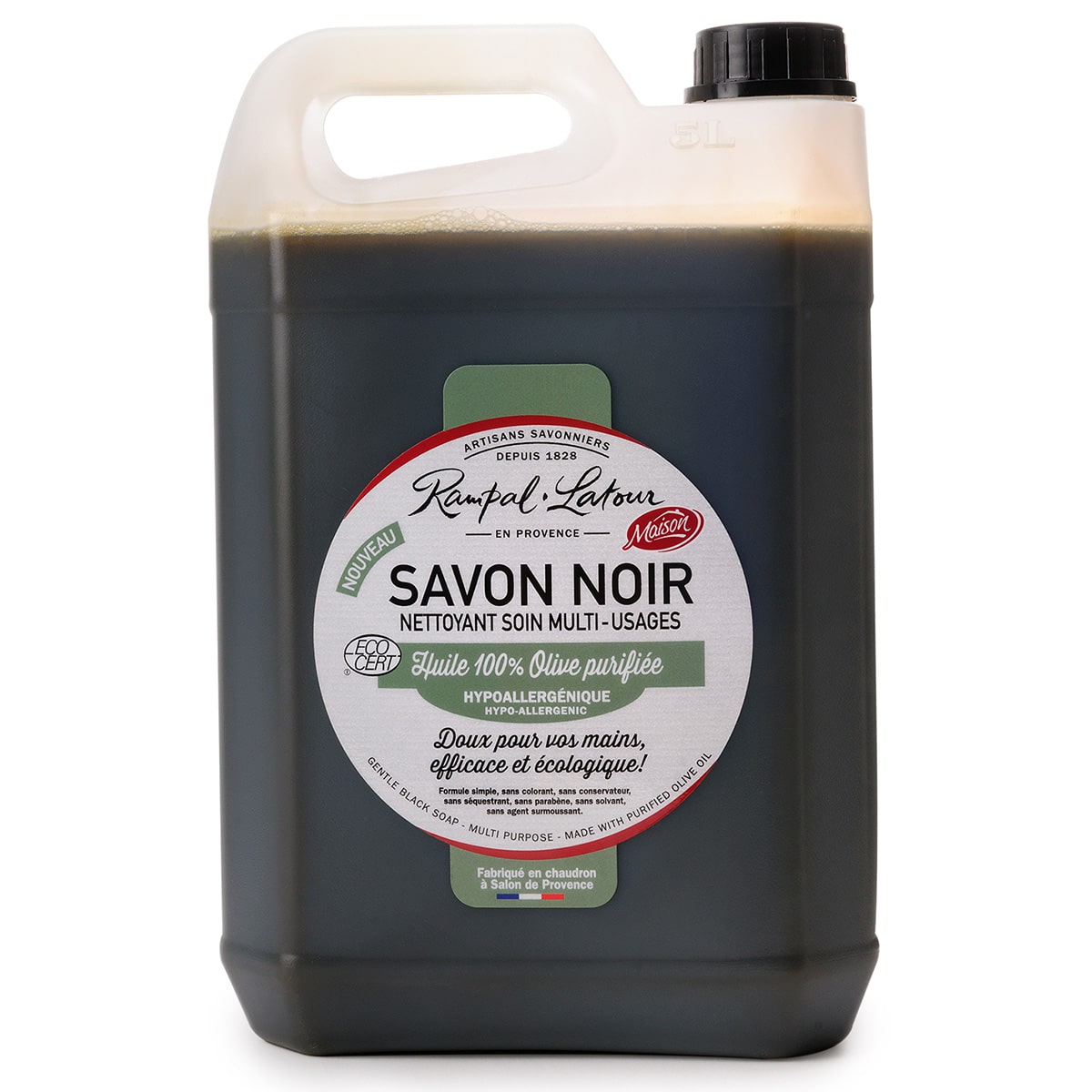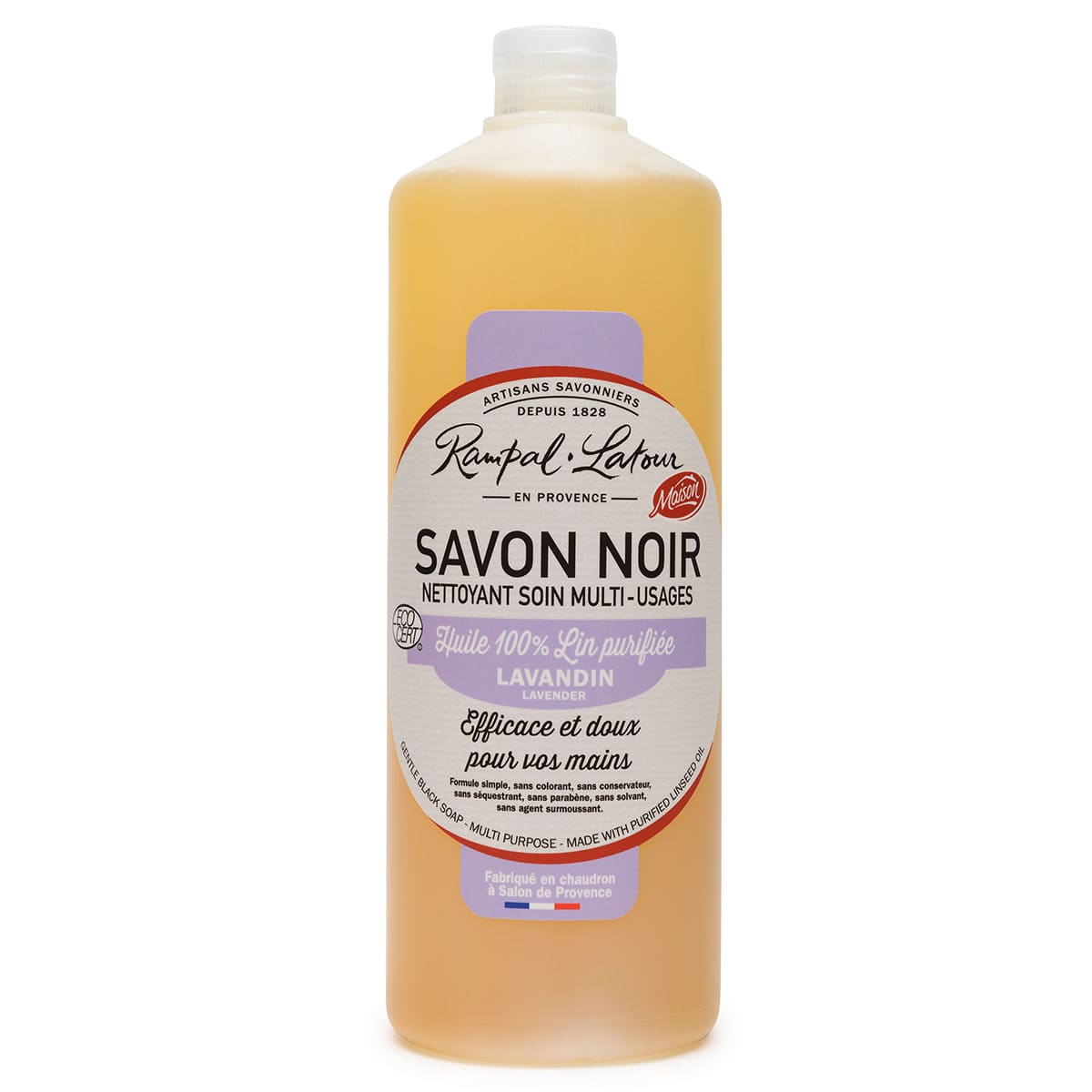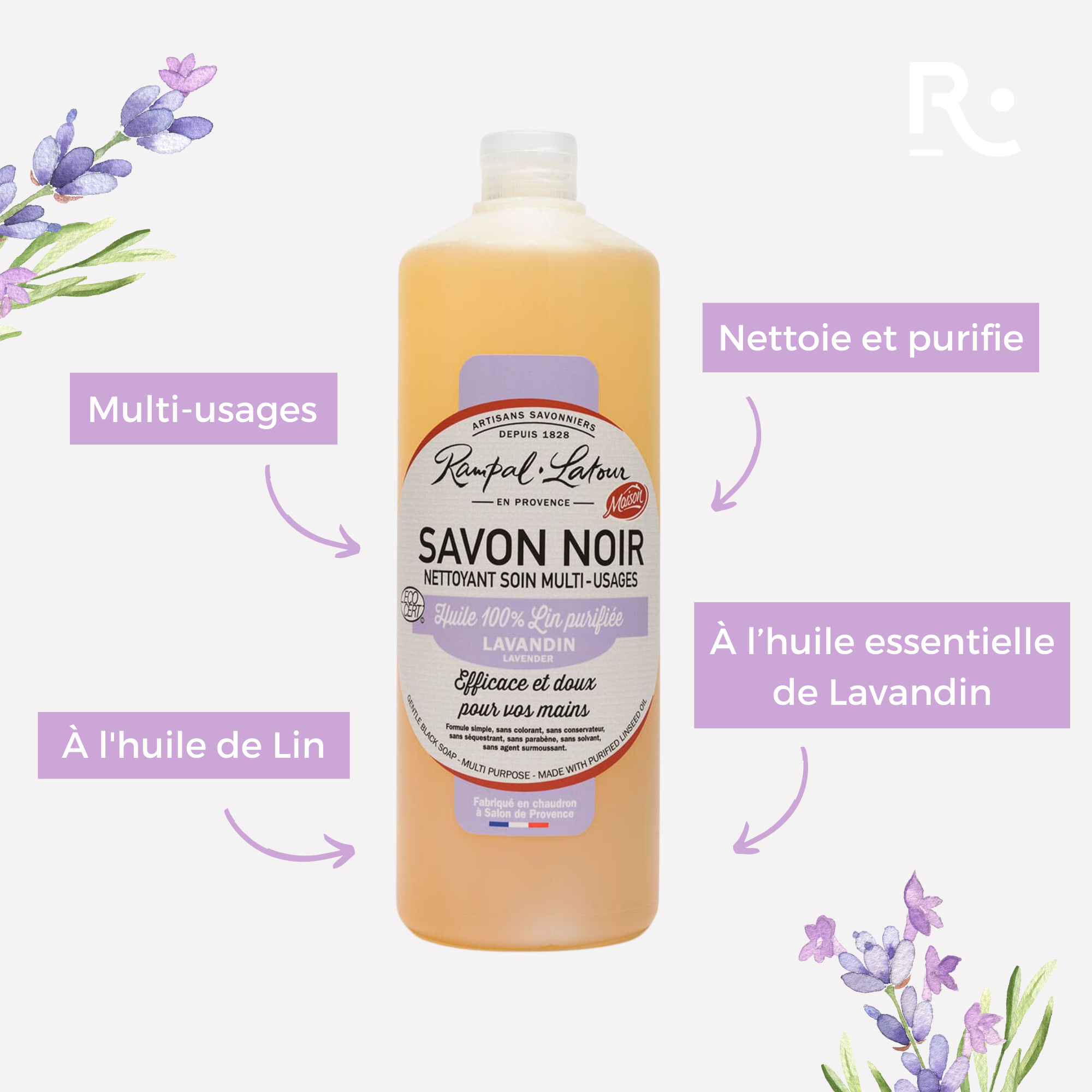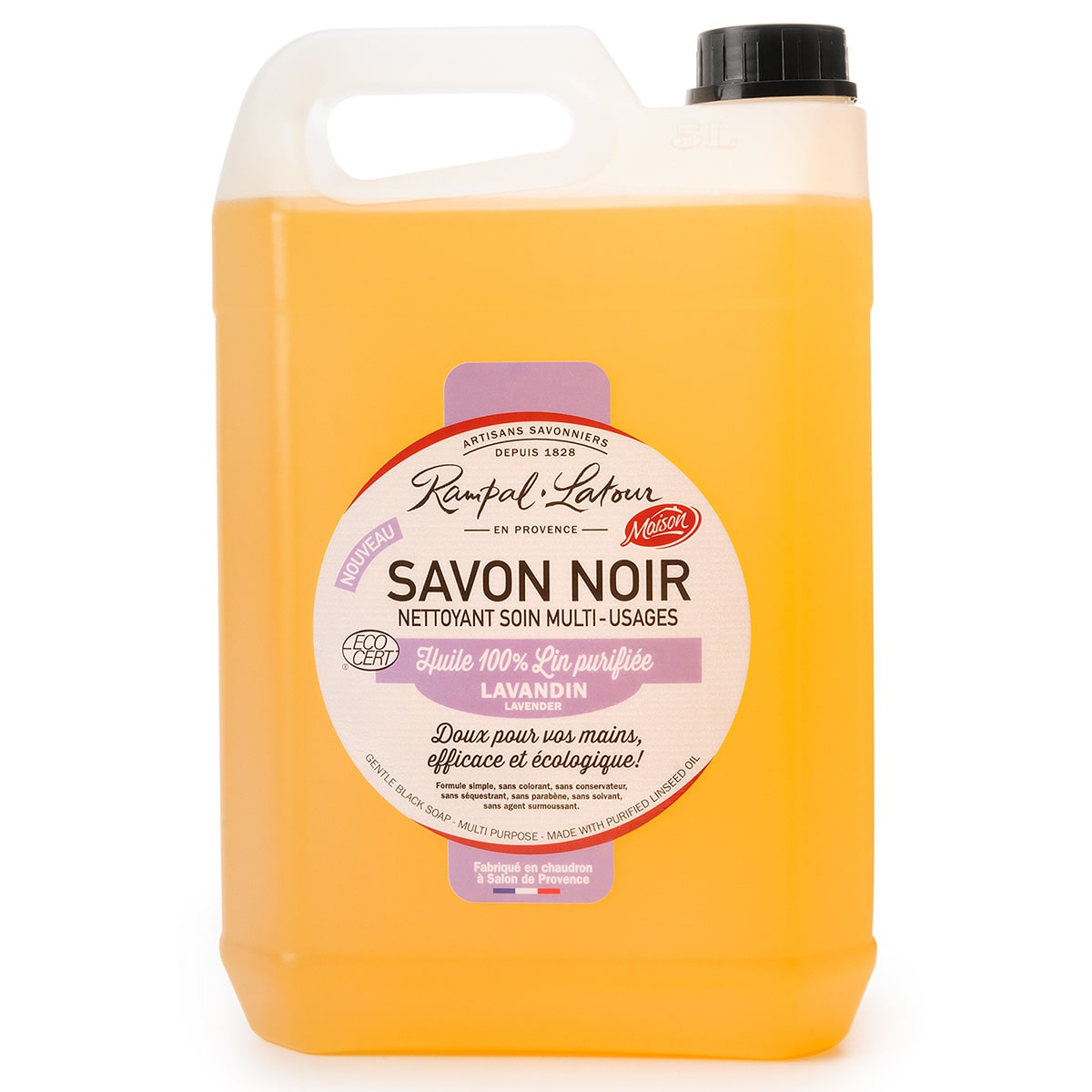



Black soap is a natural and biodegradable cleaning product. Practical and effective, it has been used for centuries for its cleaning, degreasing, and insecticidal properties. What are the origins of black soap? How do you use black soap at home or in your garden? Here's an overview of this natural product with its many benefits.
Introducing black soap
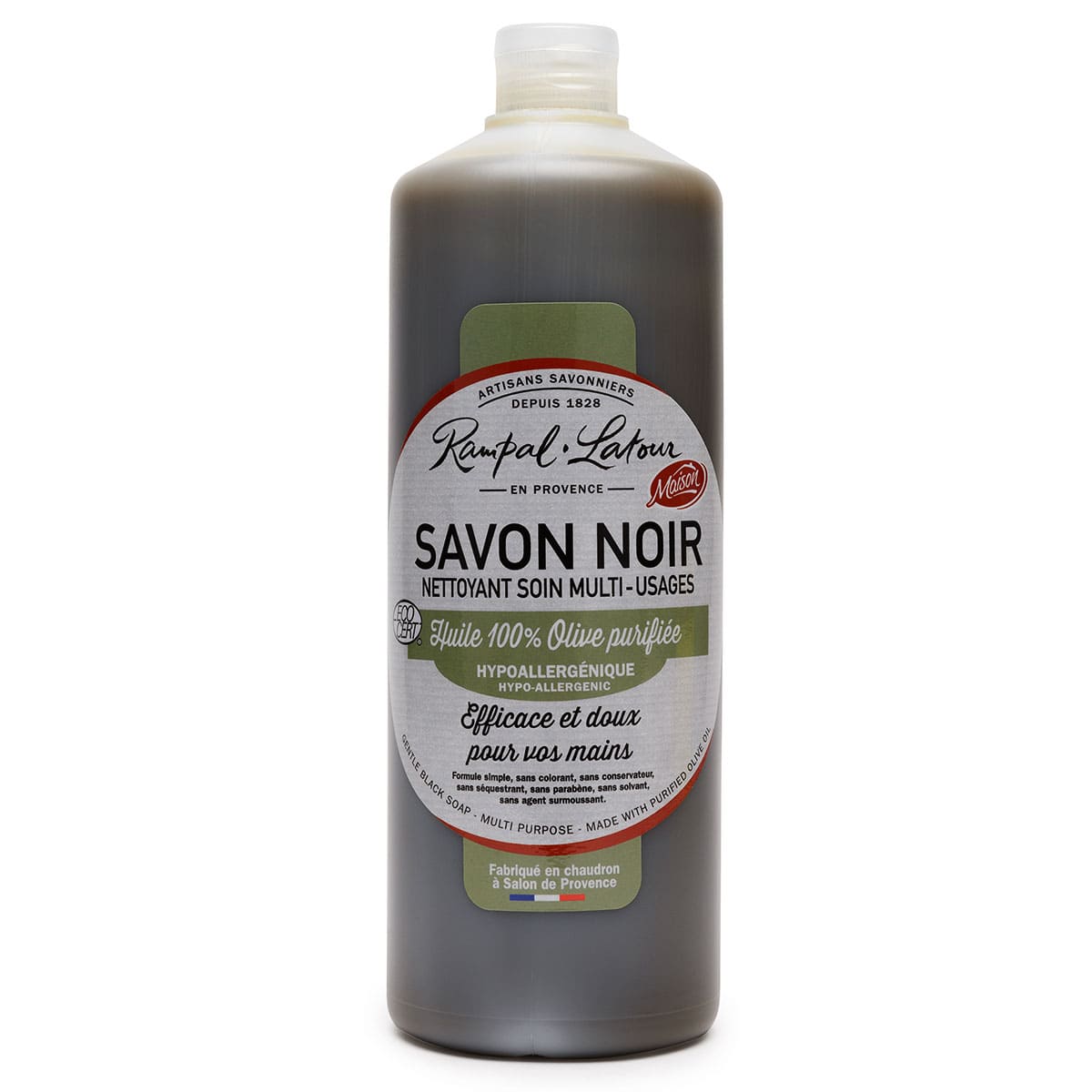
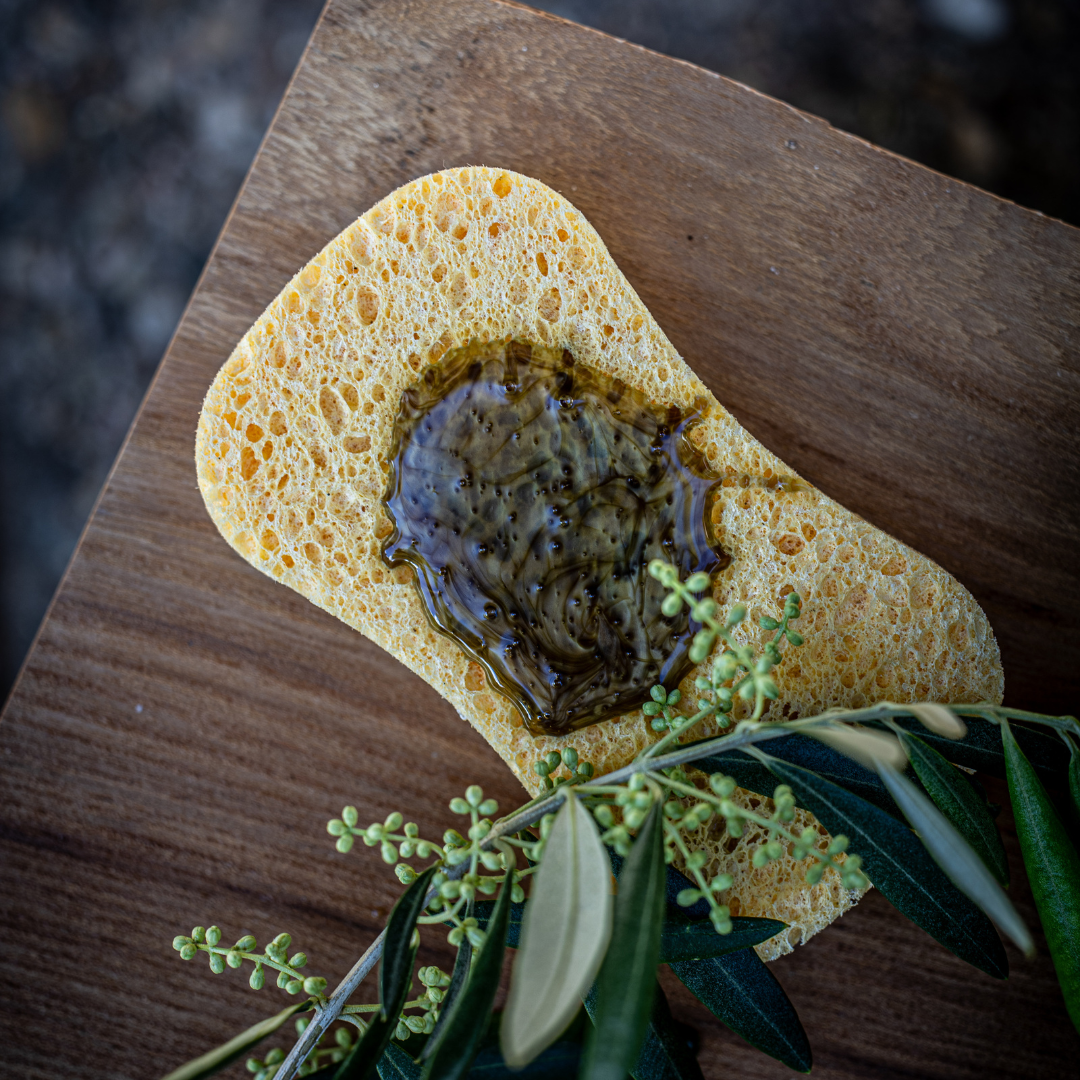
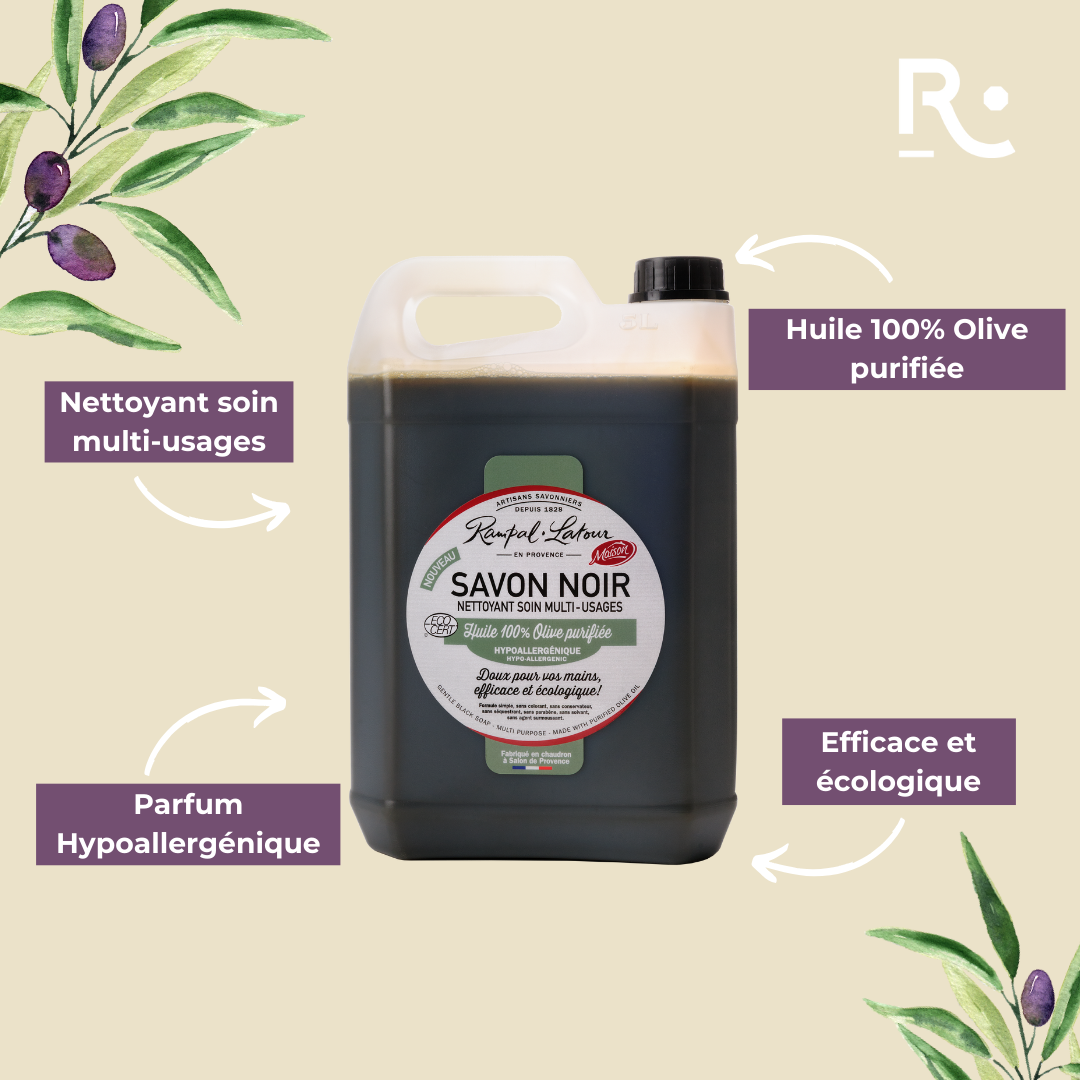
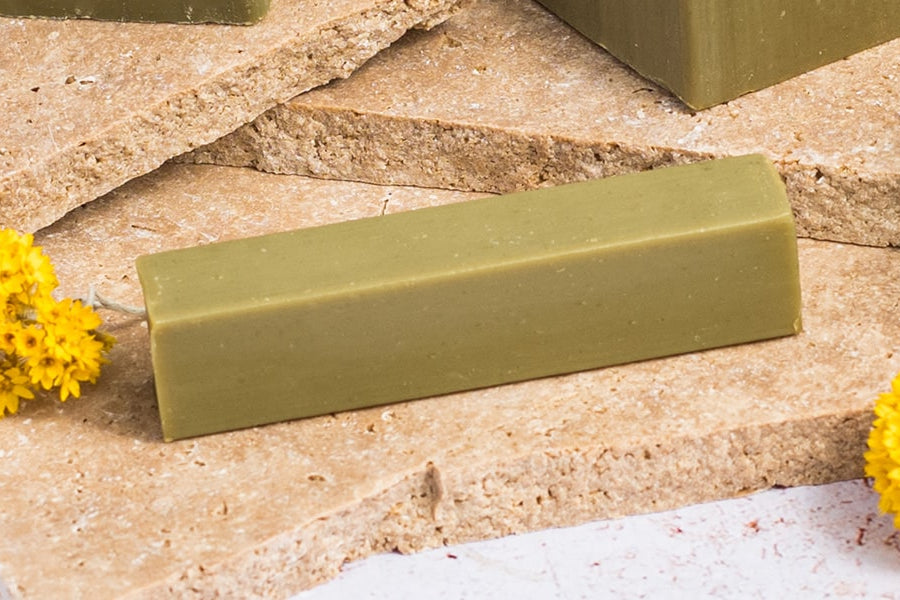
Black soap is a plant-based product. Made without dyes or solvents, it is generally composed of olive oil and a mixture of macerated black olives, known as potash. Its production using traditional methods yields a liquid soap or a soft paste with a very recognizable brown color. The cleaning and degreasing properties of black soap make it an essential item for household cleaning and garden care.
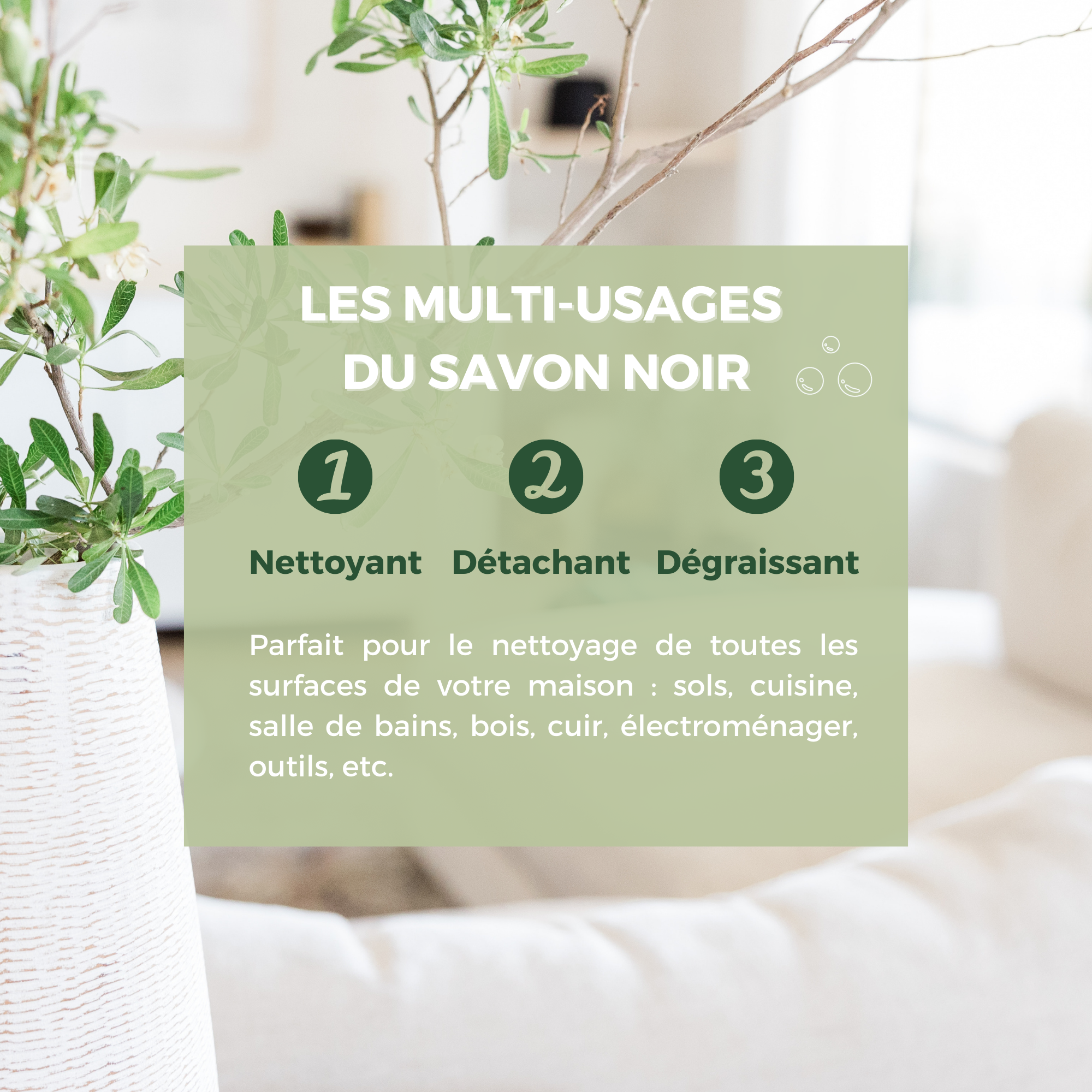
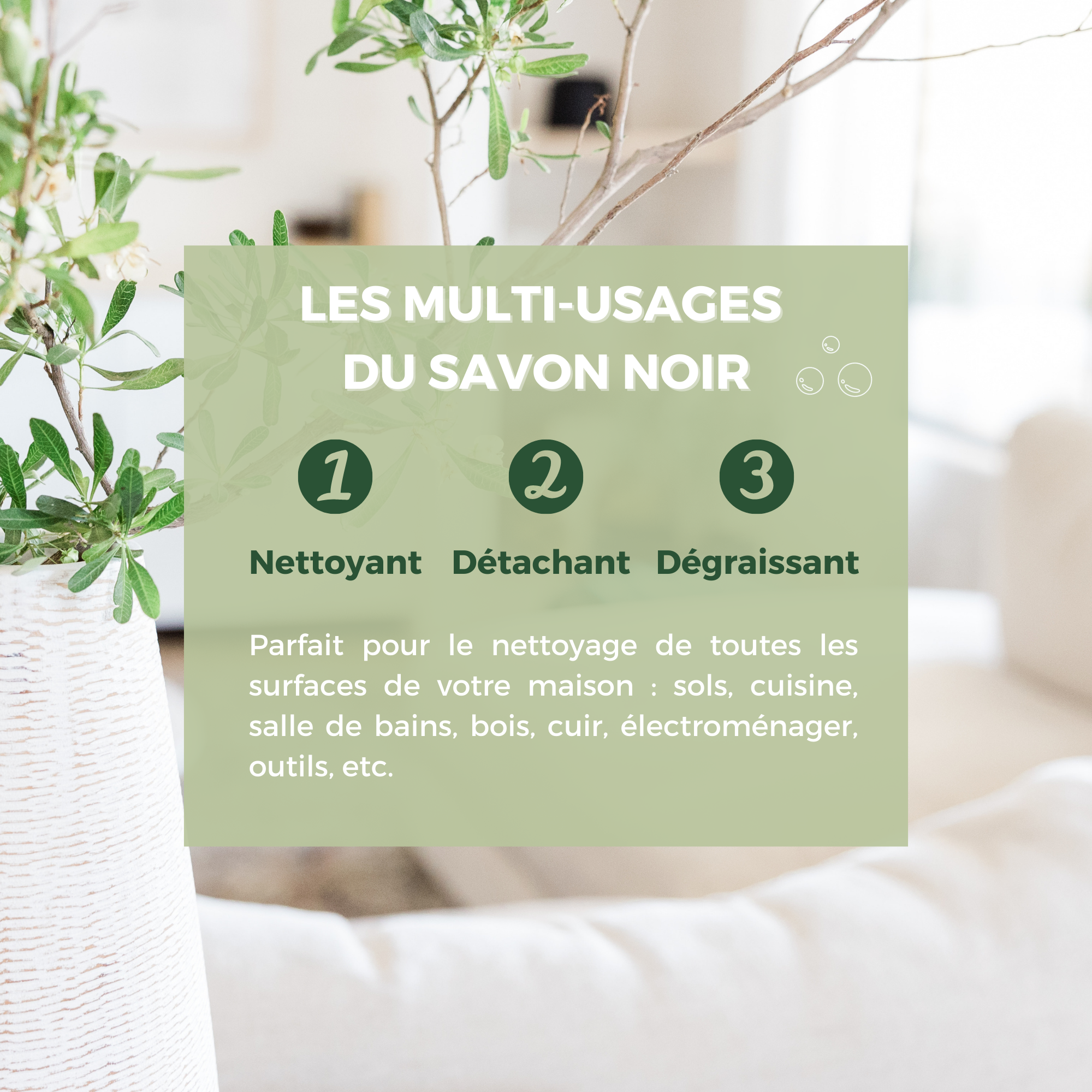
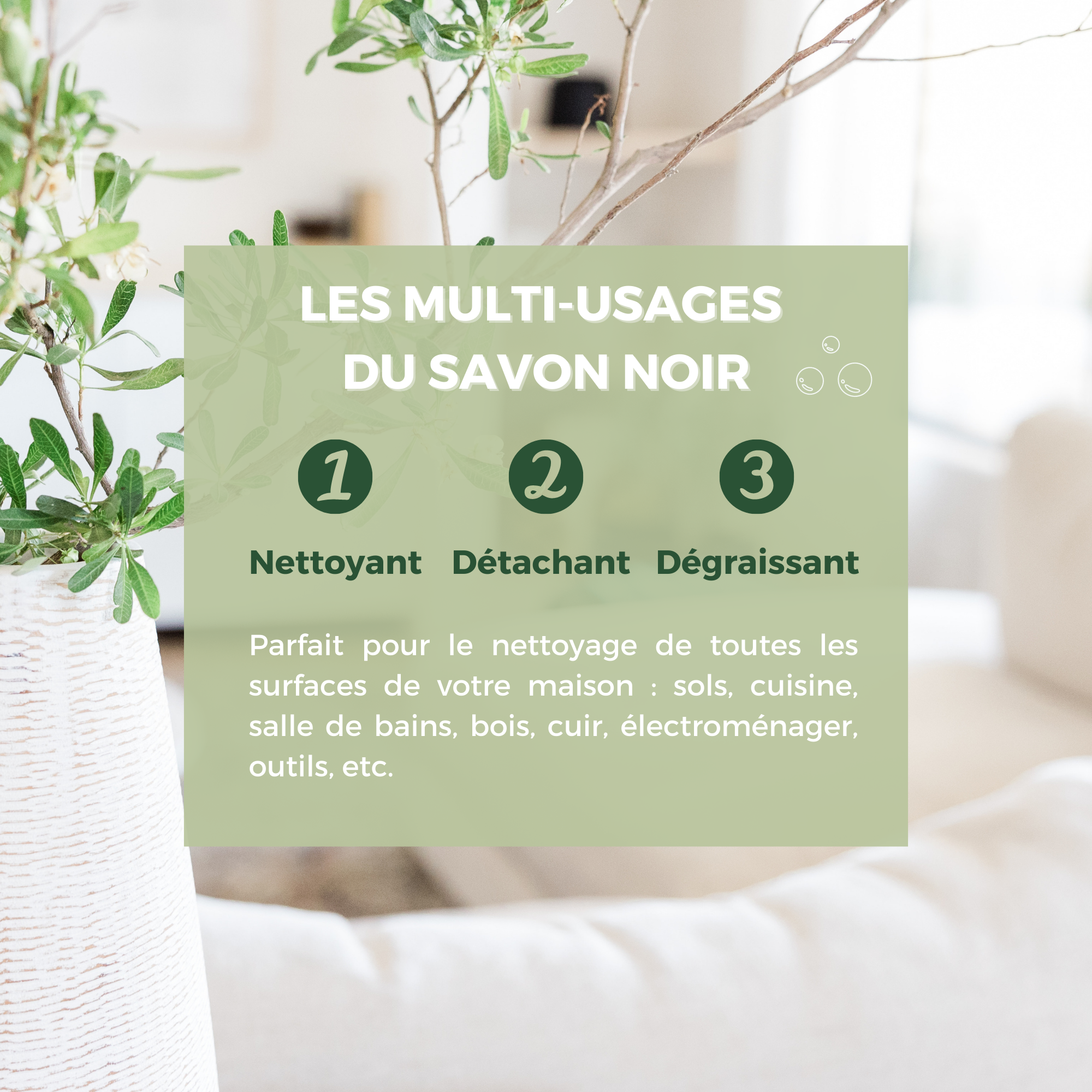
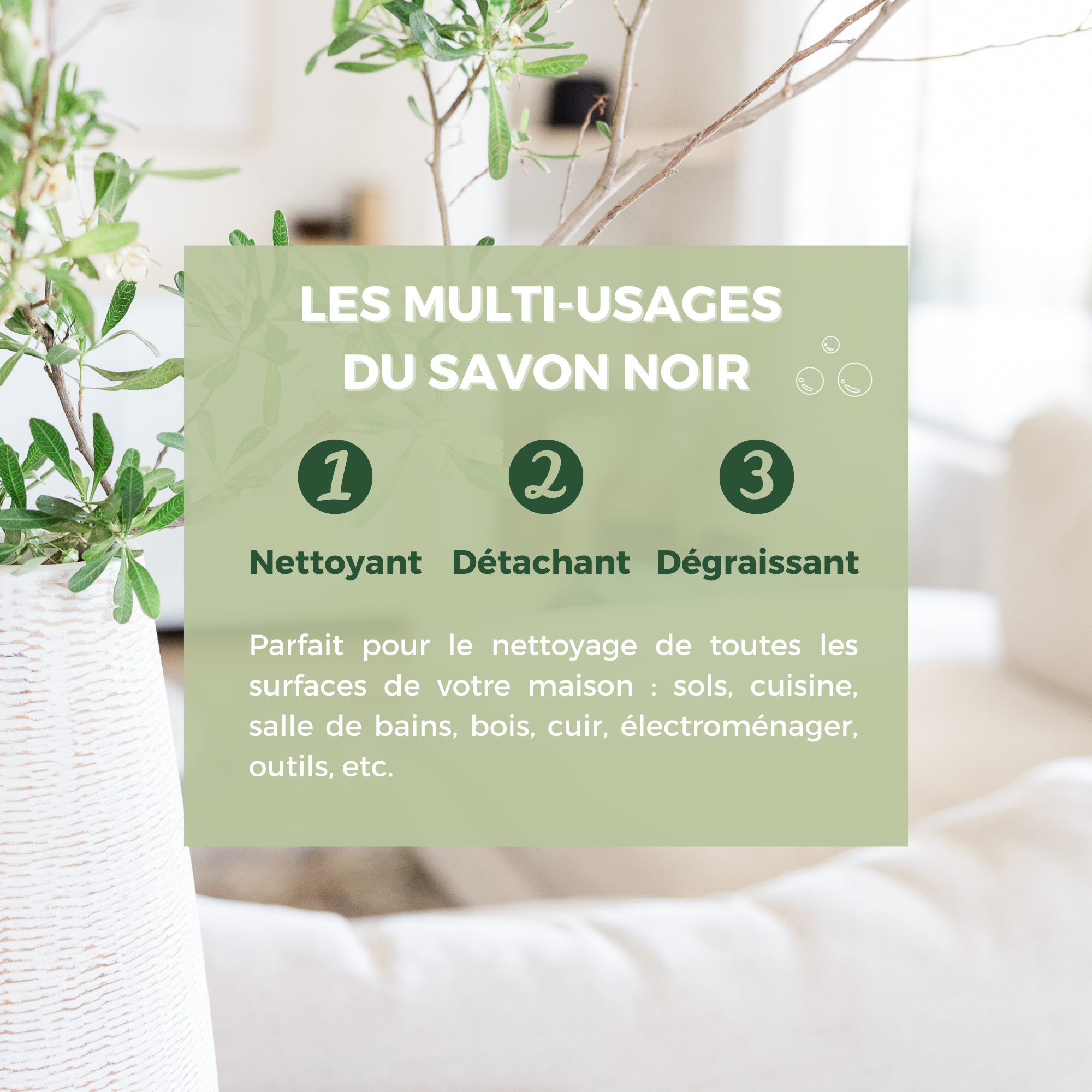
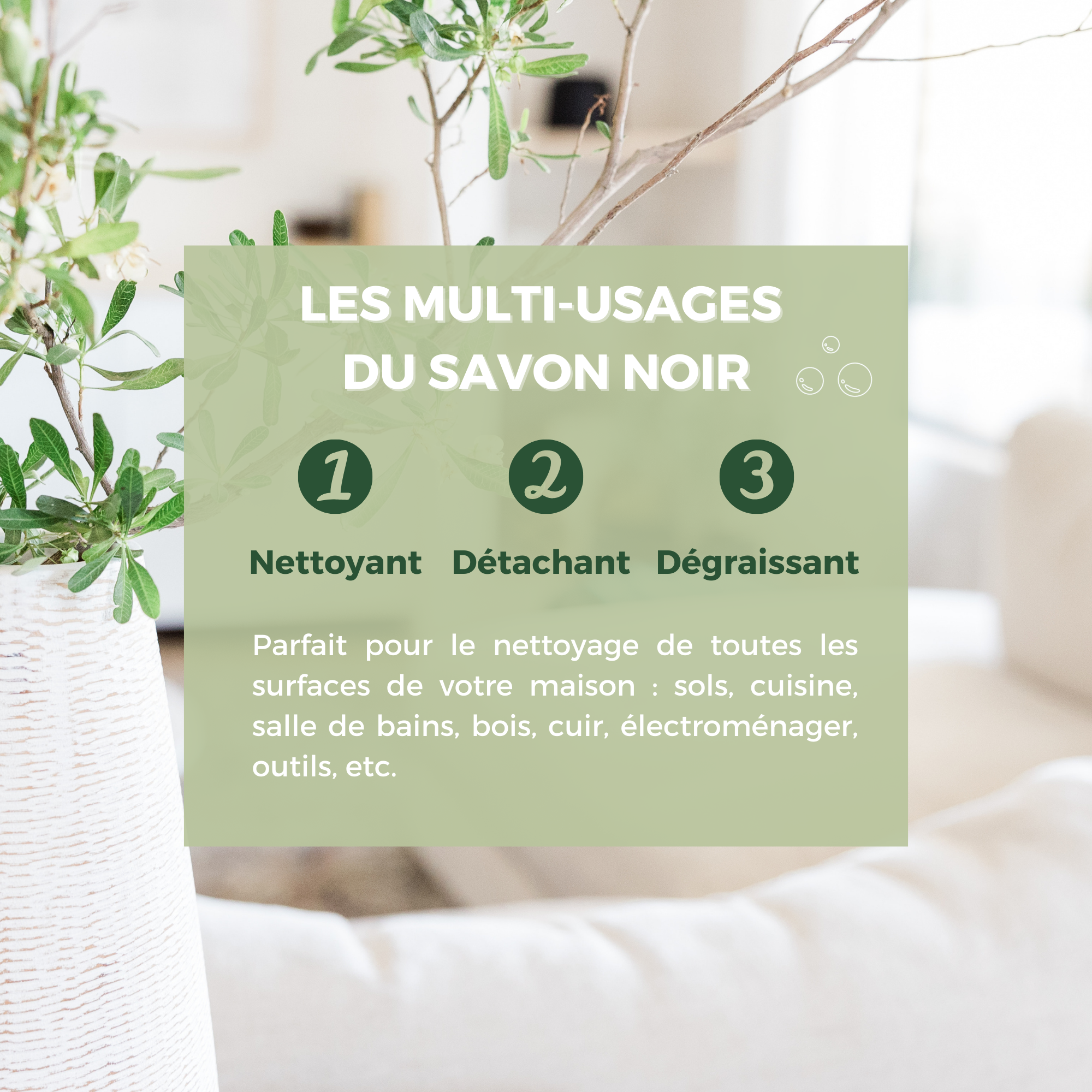
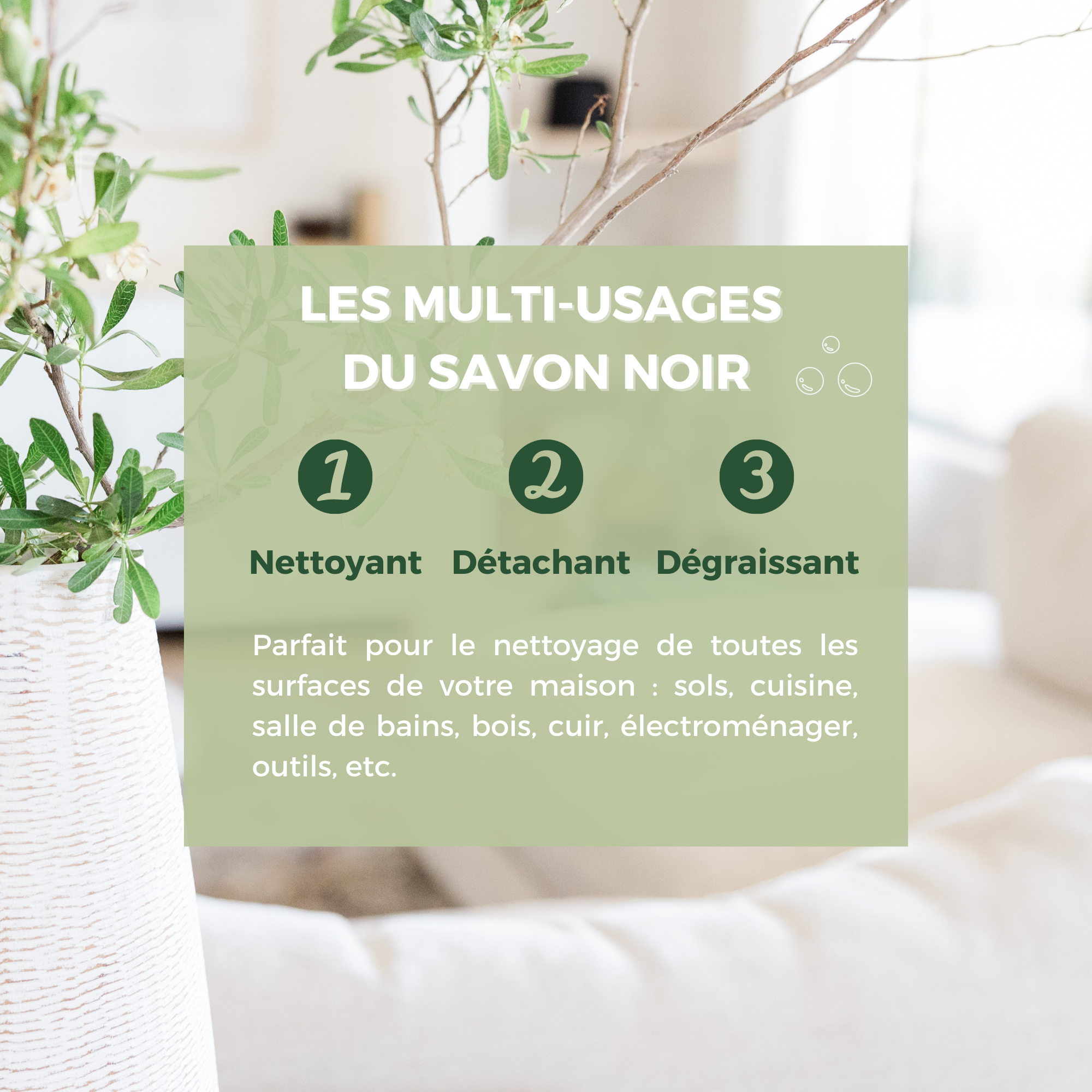
Black soap has cleaning, stain-removing, and degreasing properties. Its highly concentrated formula makes it an excellent natural cleaner that is both economical and multi-purpose. It is commonly used as a household cleaning product. In addition to thoroughly cleaning and degreasing all types of stubborn stains, this soap has a pleasant, natural fragrance. In the garden, it protects plants when used as an insecticide. Its properties allow it to eradicate pest infestations, thus preserving plant health.
Natural, effective and non-irritating to the skin, black soap thus stands out among the best natural and multi-purpose products.
How to use black soap?
A natural product with ancient origins, black soap has stood the test of time without losing any of its benefits. It is believed to have originated in Egypt and Mesopotamia, before gradually spreading to North Africa.
Designed as a cosmetic product, it is first and foremost an ideal cleaner for floors and textiles. Made from potash and olive oil, it now represents an economical and ecological alternative to traditional chemical products.
Composition and manufacturing process
Although it can be made with a variety of ingredients, black soap is traditionally produced using potash, olive oil, and water. Depending on the recipe, the potash may be replaced with caustic soda. Coconut oil or linseed oil can also be used instead of olive oil.
The making of black soap begins with cooking vegetable oils, which are then mixed with water and potash. The mixture transforms into a thick paste that must be stirred until it cools. The mixture then undergoes a filtration process to remove impurities. A liquid or solid black soap is thus formed, in a 100% natural way and true to its ancestral manufacturing methods.
Ecological and economic advantages of black soap
Black soap is a cleaning product with numerous advantages. Highly versatile, it can be used for various household tasks: cleaning and degreasing floors and surfaces, washing dishes, windows, or laundry, etc. Its concentrated formula makes it extremely long-lasting. A small amount of this product is sufficient for each use. In this way, the product's high concentration extends its lifespan, while also reducing the need to purchase more expensive cleaning products.
Made from natural ingredients, black soap has the advantage of being completely biodegradable. Whether used as a household cleaner or an insecticide, it is a natural and environmentally friendly solution. It represents an ecological and economical alternative to traditional products.
The different types of black soap
Use of soft black soap
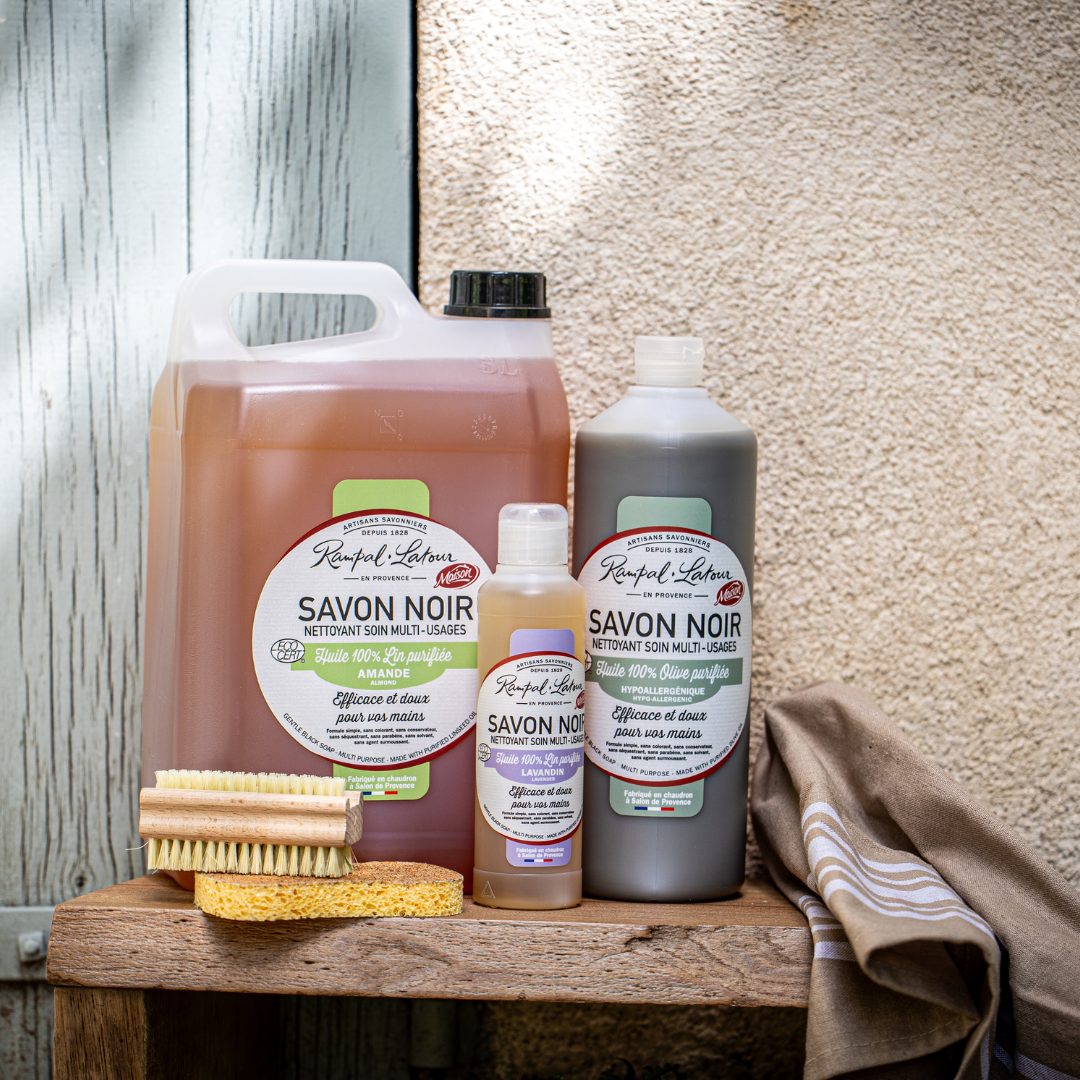
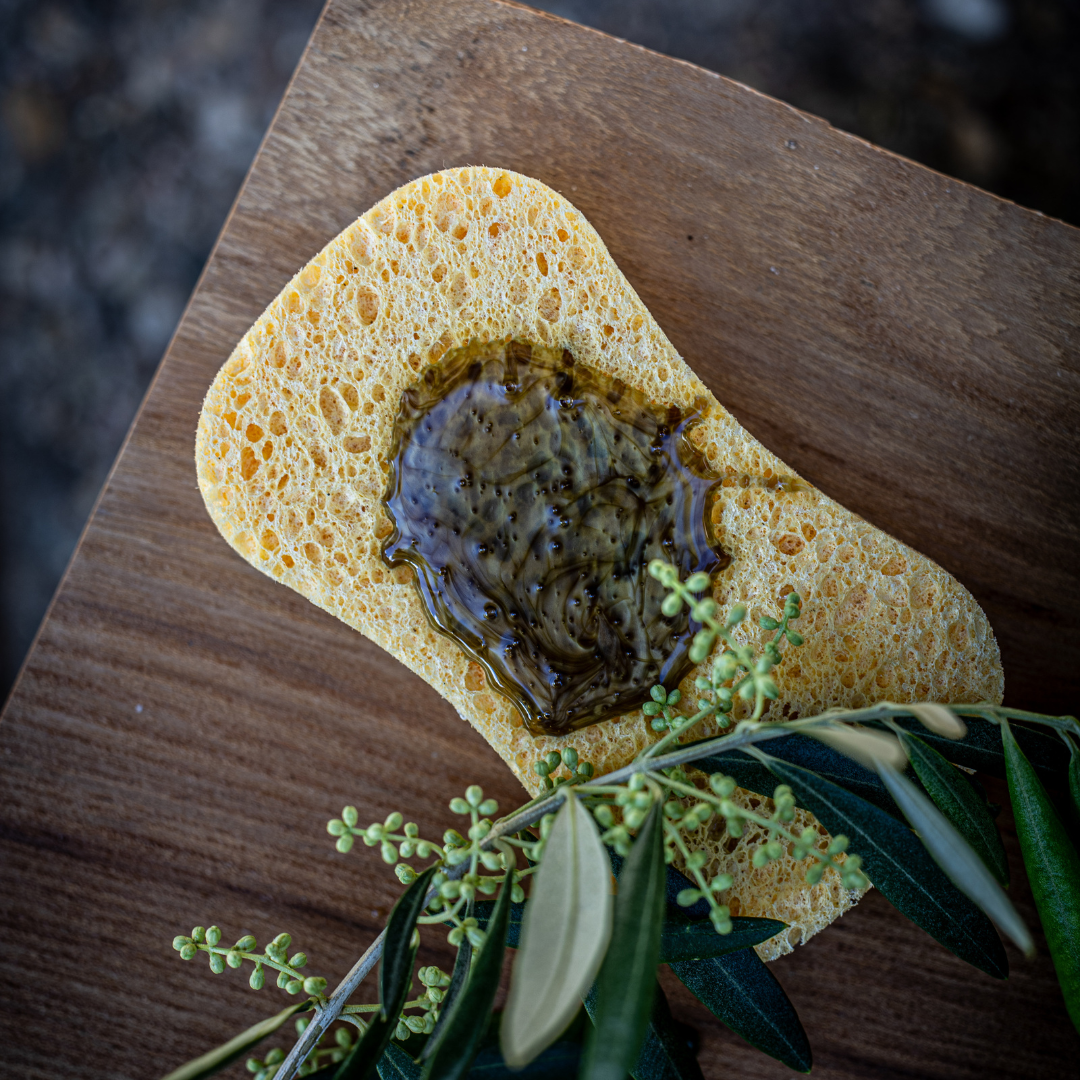
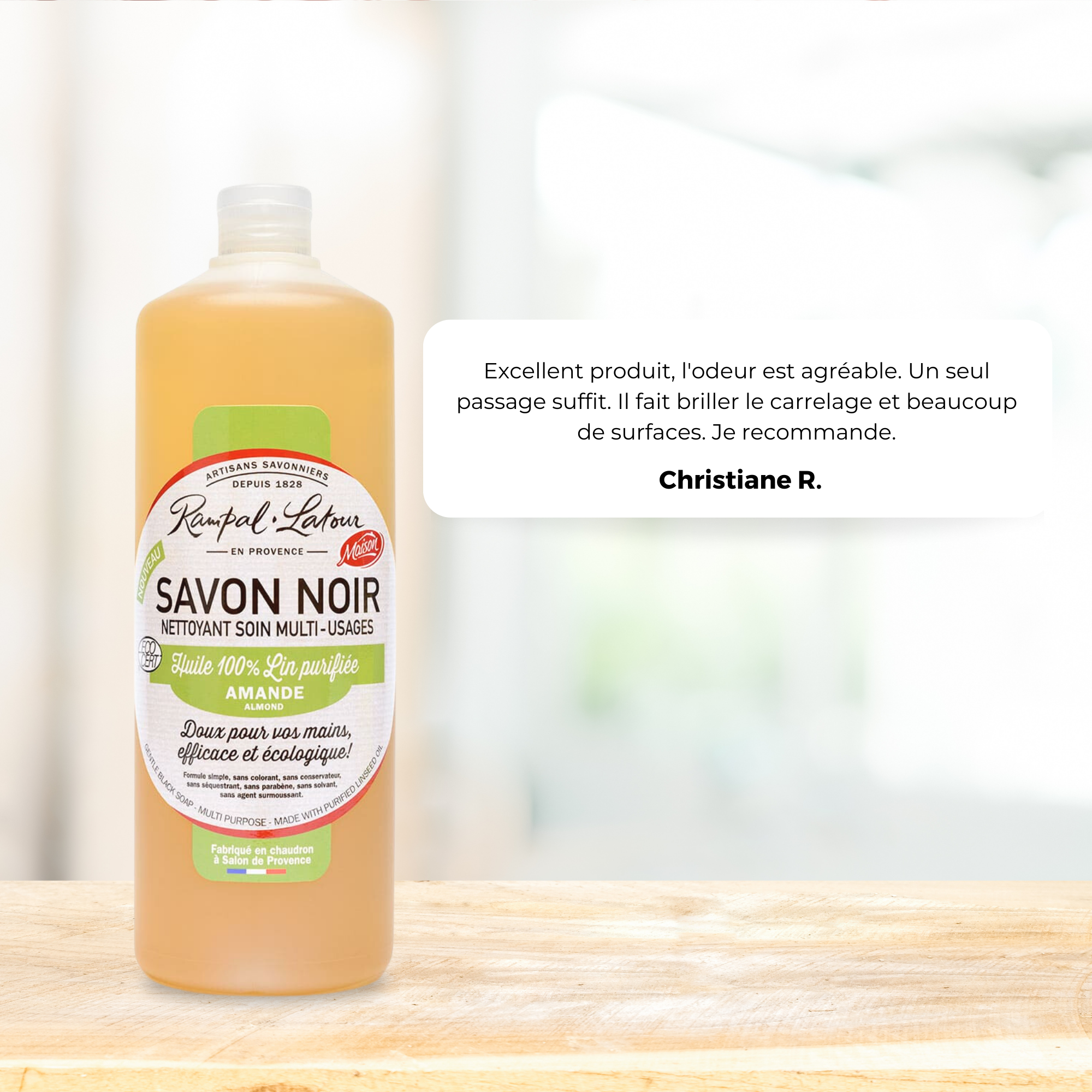
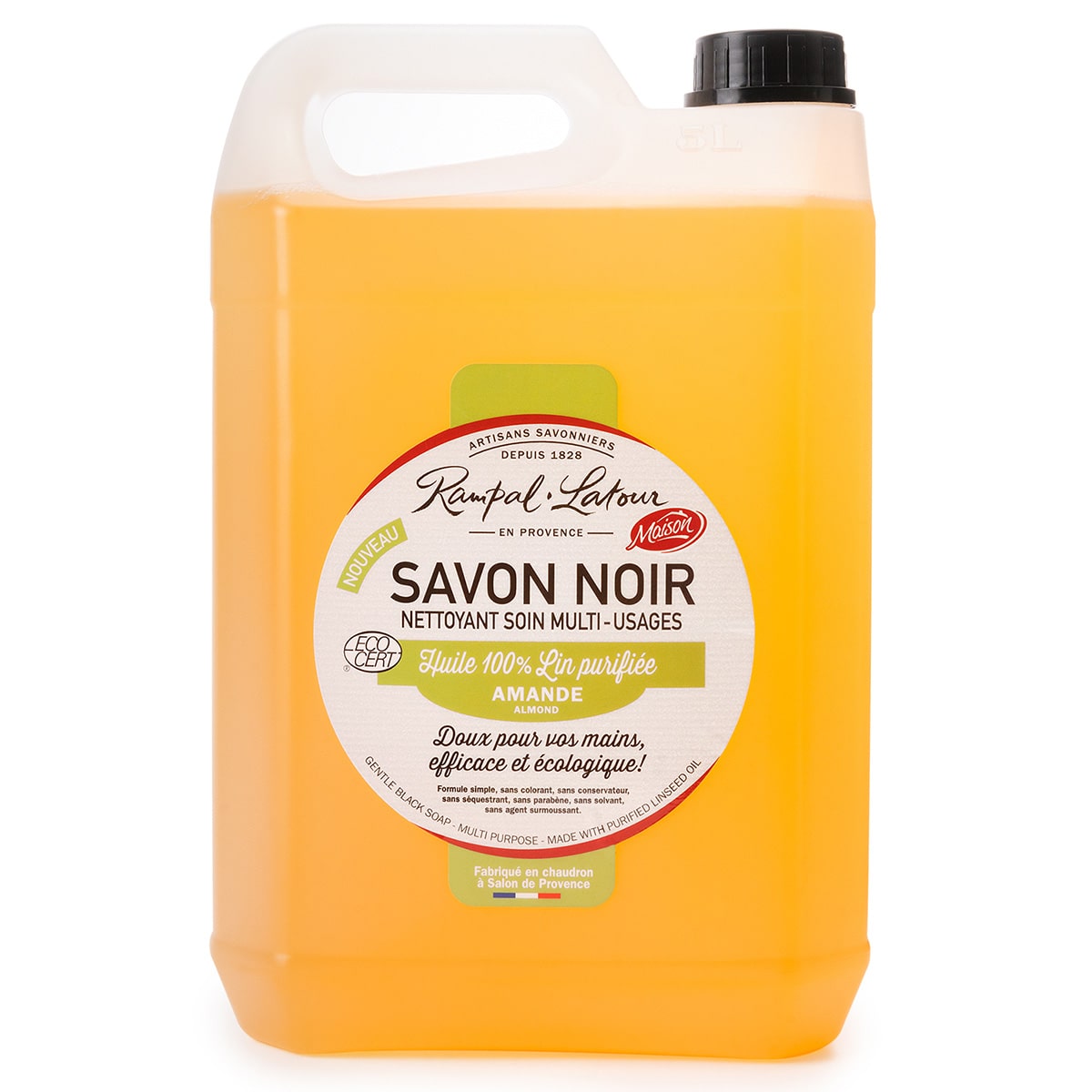
Soft black soap comes in the form of a dark, creamy, dark brown paste. Highly valued for its durability, it is above all a remarkably effective cleaner. Its 100% natural composition and versatility make it one of the most useful household products.
Soft black soap is so popular because of its convenient shape. Its very malleable texture makes it easy to use every day. A small or large quantity can be used for a variety of household tasks: washing floors, surfaces, textiles, etc.
Using liquid black soap
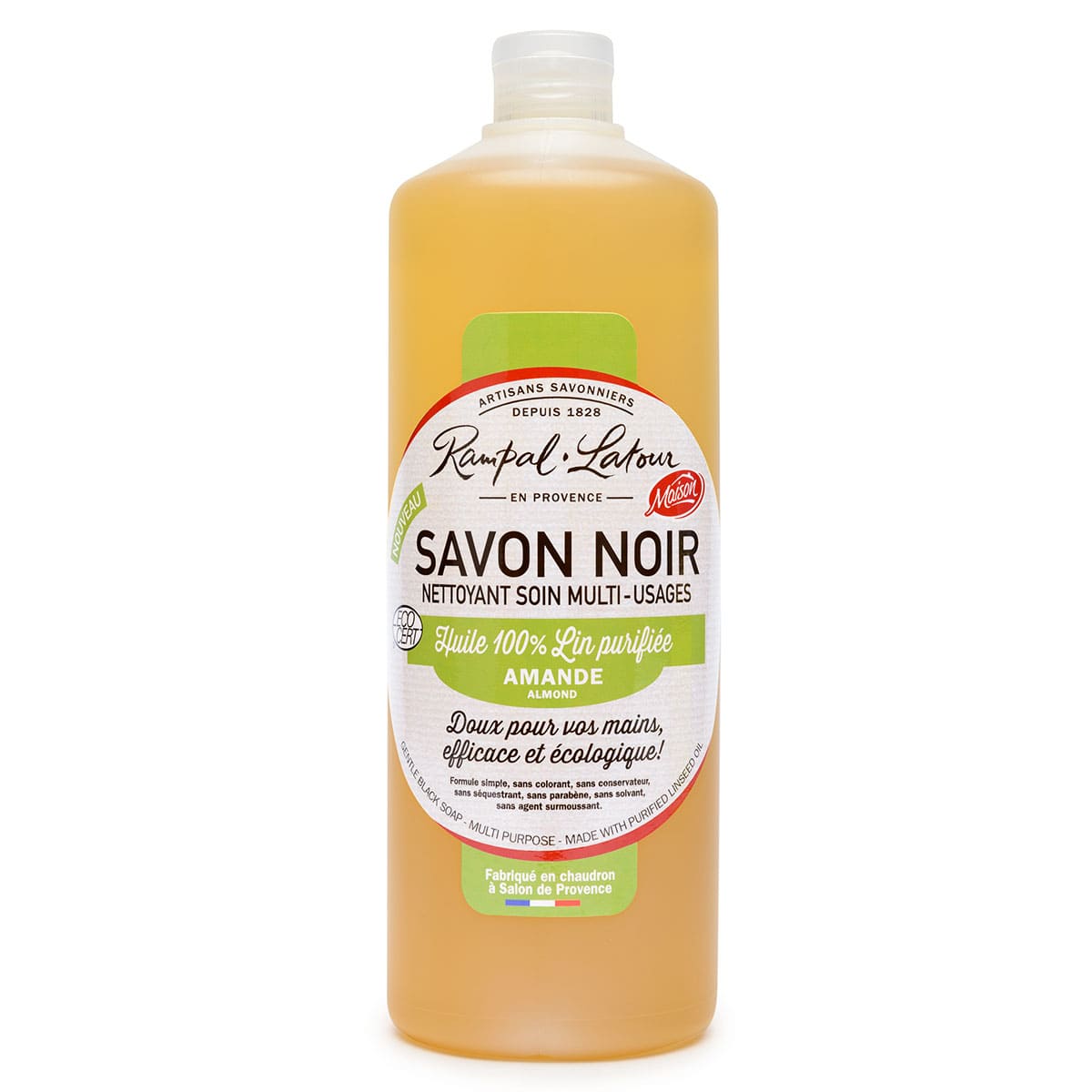
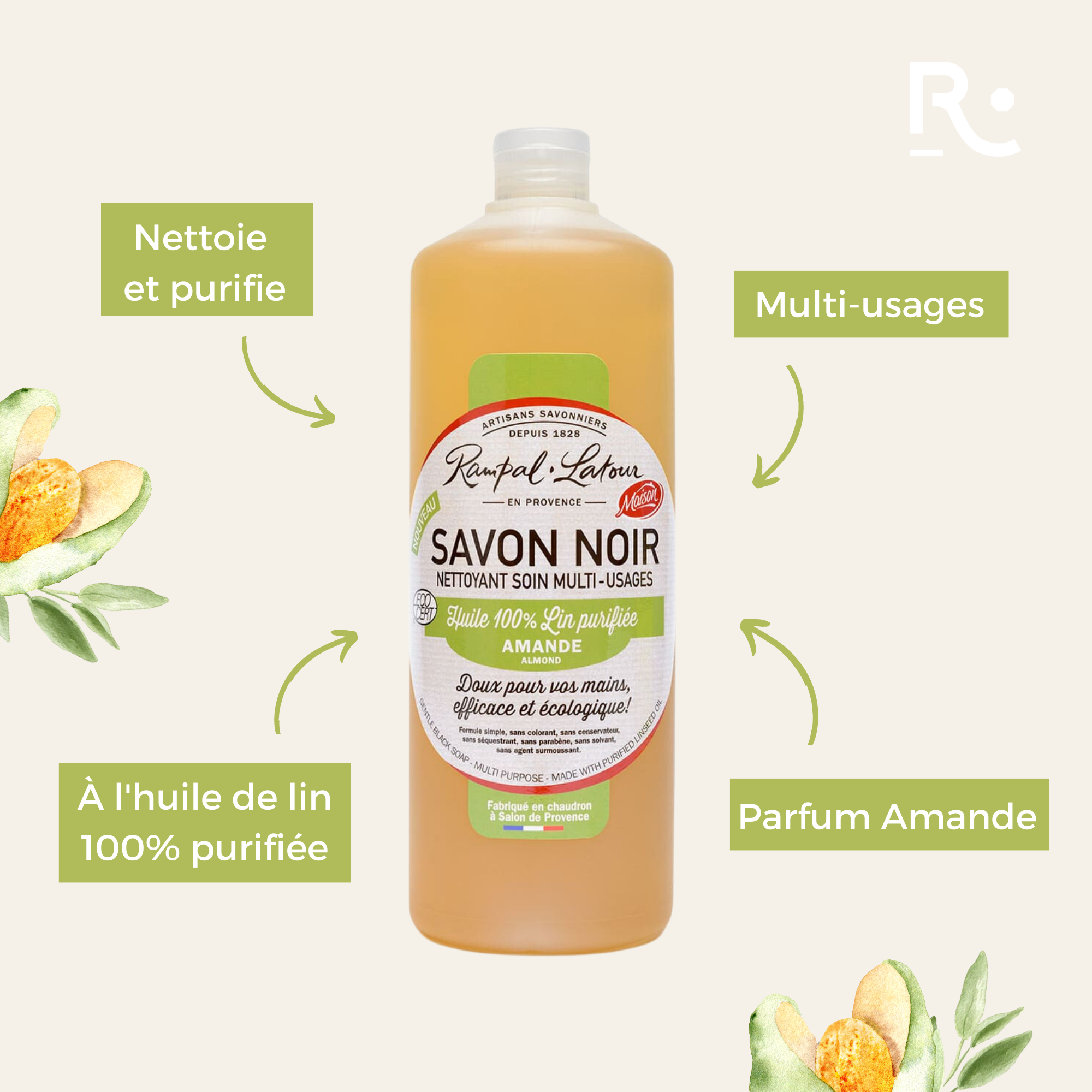
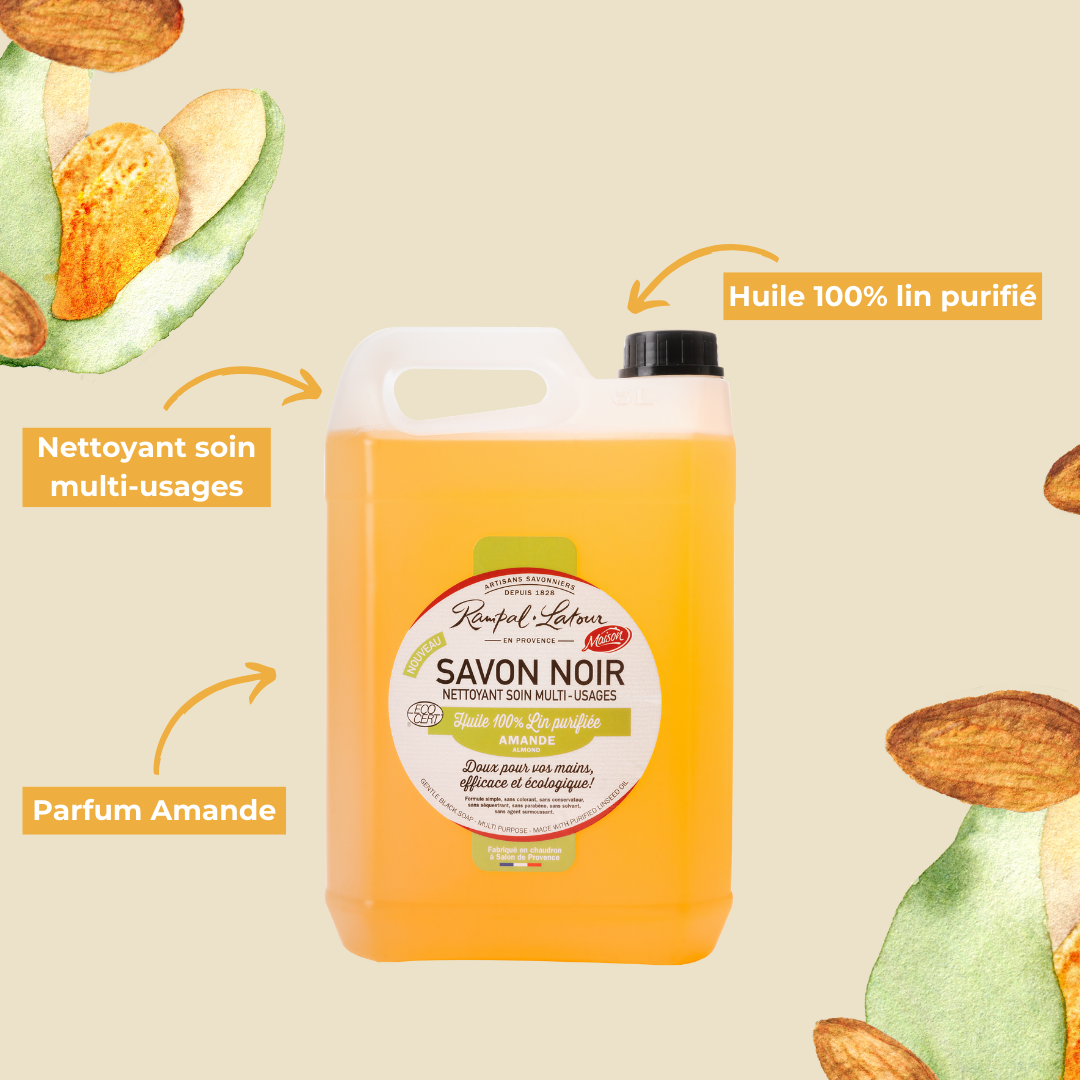
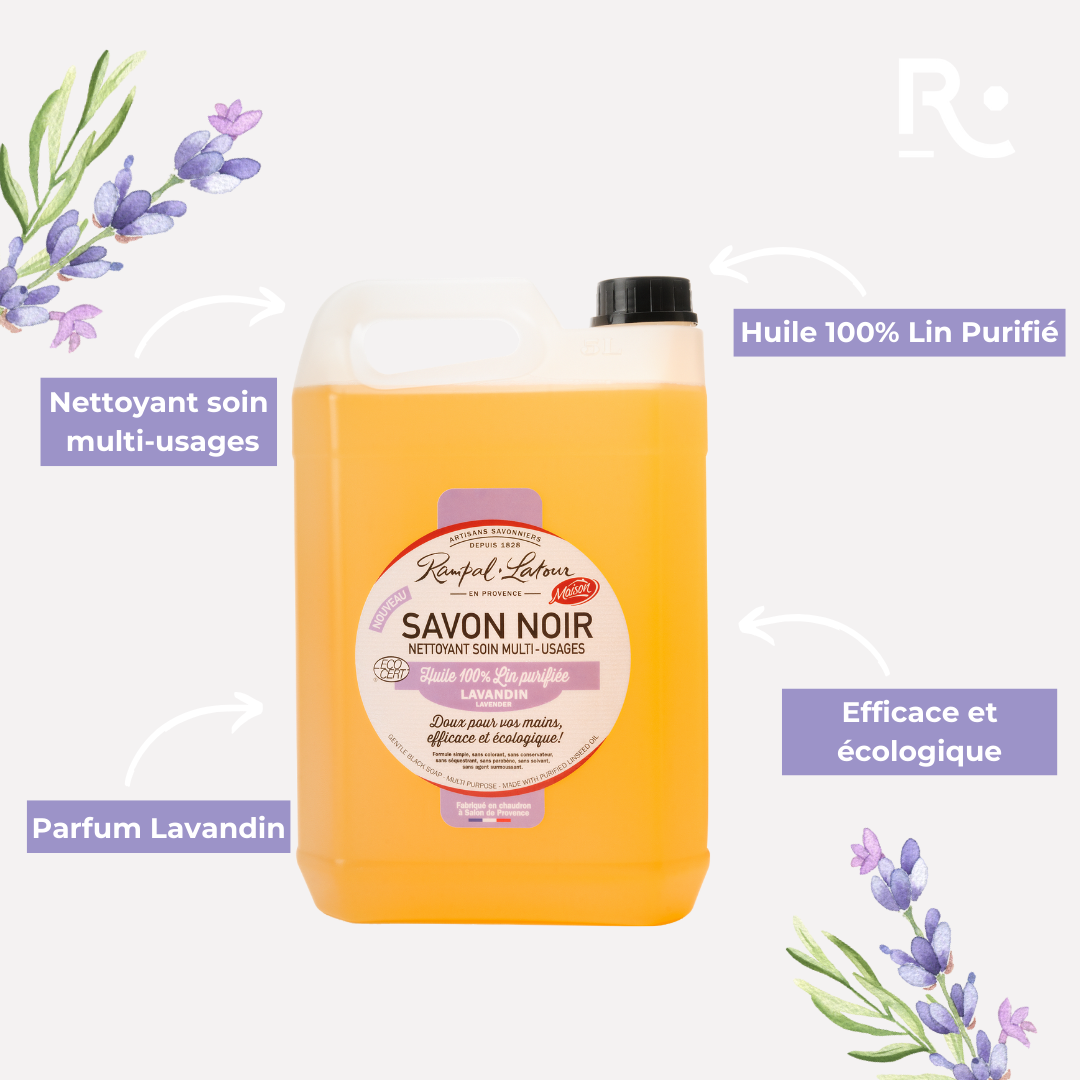
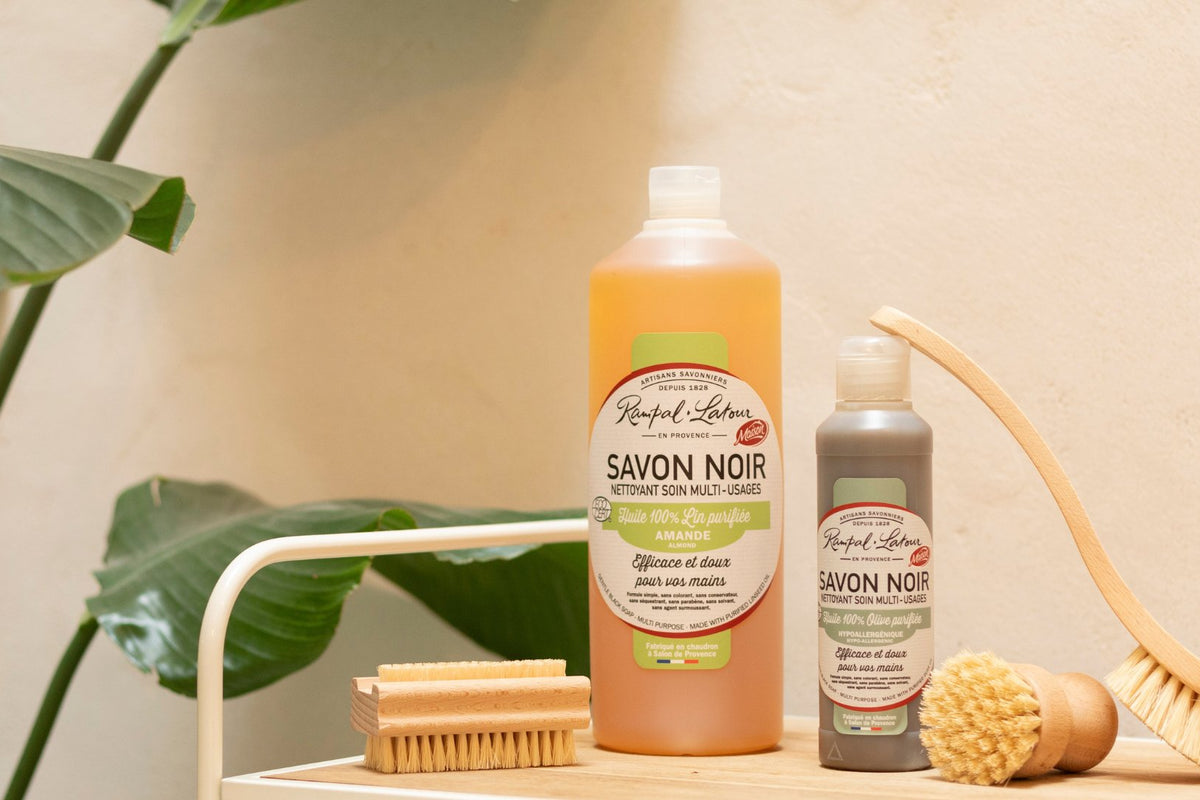
Liquid black soap is a practical alternative to traditional black soap. Recognizable by its dark color and fluid texture, it is just as easy to use as soft black soap. A few drops of this product, diluted in water, are enough to clean your house or garden.
In its liquid form, black soap is very useful for cleaning or degreasing floors and surfaces. Its cleaning properties, combined with those of baking soda, allow you to make your own effective and natural cleaning products.
Uses of black soap
How to use black soap as a natural insecticide?
Known for its insecticidal properties, black soap is widely used to combat insect infestations without harming their ecosystem or the environment. Various application methods demonstrate how to use black soap as an insecticide :
- Spraying: a small amount of soap, diluted in water, can be sprayed on insect-infested plants to eliminate them;
- Soaking: houseplants can be soaked in a solution based on black soap, the benefits of which help to treat and care for diseased plants;
- Prevention: a solution of black soap can be occasionally sprayed on garden plants as a preventative measure against pests.
Using black soap as an insecticide offers significant advantages over chemical pesticides. Its natural formula is non-toxic to humans and pets. Biodegradable, black soap effectively combats harmful insects without impacting their ecosystem. It helps protect and maintain the health of your plants without harming biodiversity. In other words, black soap represents an accessible, ecological, and economical alternative to chemical pesticides.
How to use black soap for plant care
In addition to being a powerful insecticide, black soap promotes the growth and health of indoor and outdoor plants. If you'd like to know how to use black soap on plants , several techniques can help you reap its benefits:
- Preventing diseases: spraying a solution of black soap on your plants reduces the risk of developing fungal diseases;
- Cleaning plants: by diluting black soap in water, you obtain a light substance with which to wash the leaves of your plants;
- Treating the soil: mixing a small amount of black soap with your watering water helps to eliminate parasites present in the soil.
Black soap is an essential ally for plant care, and even more so for its beneficial effects on biodiversity. This natural cleaning product decomposes in nature without leaving any harmful residues. By replacing your chemical products with a black soap-based solution, you contribute to reducing environmental pollution while preserving biodiversity.
How to use black soap for household cleaning
As a cleaning product, black soap has many useful everyday applications. Here's how to use black soap for household cleaning:
- Floors and surfaces: black soap cleans, degreases and shines floors and surfaces of any material;
- Kitchen: a concentrated black soap solution makes it easier to clean many kitchen items (dishes, household appliances, kitchen utensils, etc.);
- Windows: Cleaning and degreasing of windows can be done with black soap, without rinsing and without drying.
Practical and effective for occasional or regular cleaning, black soap is suitable for many other household tasks: washing clothes, cleaning leather, stripping walls, etc. Its wide range of applications is complemented by its ecological and economic advantages. With its gentle, concentrated formula that is safe for health, black soap stands out from traditional cleaning products. It is an essential ally for household cleaning, offering guaranteed effectiveness, practicality, and safety every day.