

Since 1828, Rampal Latour has expanded its range far beyond traditional bar soap, with toilet soaps, flakes, shampoos, and organic cosmetics, all while maintaining its traditional cauldron-based production method.

Following the success of Marseille soap at the 1900 Universal Exhibition, the Rampals once again demonstrated their taste for innovation: in 1935, they created the very first toilet soap bar, named "La Bain". Its manufacturing process was already meticulous: machines, some of which still date from 1950, knead the ingredients, before the paste falls into three-roller mills, where it is refined six times in a row into extra-fine flakes. Compressed by two endless screws, it becomes a hot "bondon" (plug), which is then cut and molded in bronze molds. Each soap bar is then inspected by hand before being placed in crates to cool, with part of the final packaging entrusted to local Establishments and Services for Assistance through Work (ESAT), which employ people with disabilities. Eighty years later, the Rampal Latour soap bar has traveled the world, while remaining true to its native Provence: natural, scented, refined, and for some references, certified organic.

Ten years later, Pierre Rampal's heirs transformed raw soap into extra-fine flakes: pure soap flakes were born. Both traditional and modern, this new form of laundry detergent first established itself in Provençal homes before crossing countries and generations, despite fierce competition from synthetic chemical powders. The extra-fine grinding with six rollers gives them a refined texture, capable of deep cleaning even delicate laundry or baby clothes; their open-air drying, over several days, gives them a feeling of healthy and natural cleanliness. Biodegradable, without synthetic fragrance or softener, without parabens or EDTA, Rampal Latour flakes embody an ecological and economical detergent; a commitment to the sustainable development of palm oil and against deforestation complements this approach.

The arrival of shampoos in the world of soap making, then known as "Rampal Patou," coincided with a unique moment in its history: it was Germaine, daughter of master soap maker Jacques Rampal, who ran the company during World War II, before her brother René joined her in 1941. Together, they faced a changing world and, in 1951, created, manufactured, and launched a product that was unique at the time: a three-in-one liquid shampoo for hair, body, and bubble bath, the famous "Geneviève Patou," enriched with honey and scented with honeysuckle. This historical best-seller has never left the soap factory's shelves. Since 2008, the range has been enriched with a certified organic version, made from certified organic virgin olive oil and sweet almond oil, organic Aloe Vera, and a Biolipid active ingredient derived from coconut and sunflower, enriched with honey, clay, rose floral water, lavandin, orange blossom, and sage.

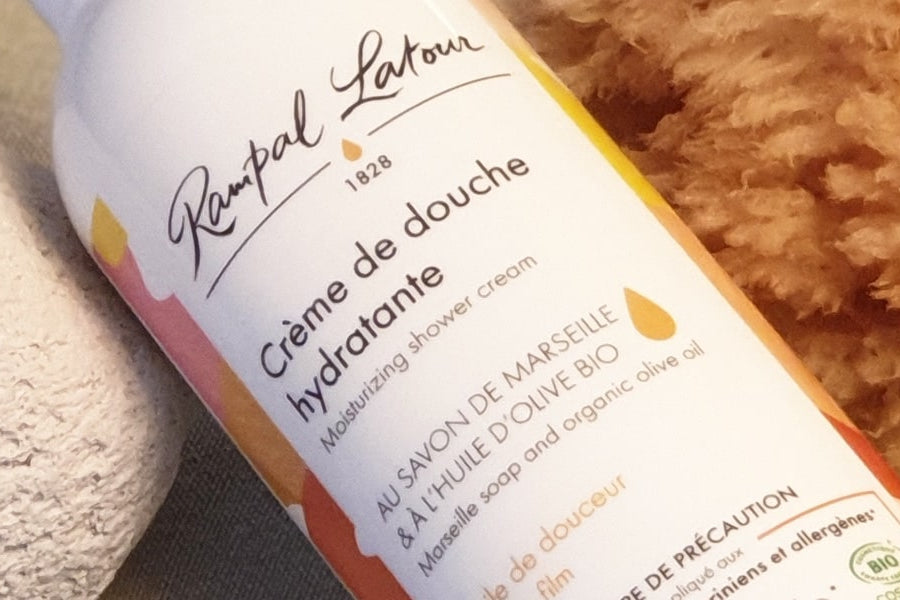
In 2007, Rampal Latour established its own "Nature Charters," which transparently set out the naturalness requirements for its products. A year later, in 2008, the soap factory launched its first range of certified organic shampoos, shower gels, and soaps, approved by Ecocert and labeled Cosmébio, with a requirement going beyond the standards: 99% guaranteed natural ingredients, whereas certification only requires 95%. It was a success: in 2010, this range was voted "Best Organic Range of the Year" at the New York Gift Show, the sector's major international showcase.

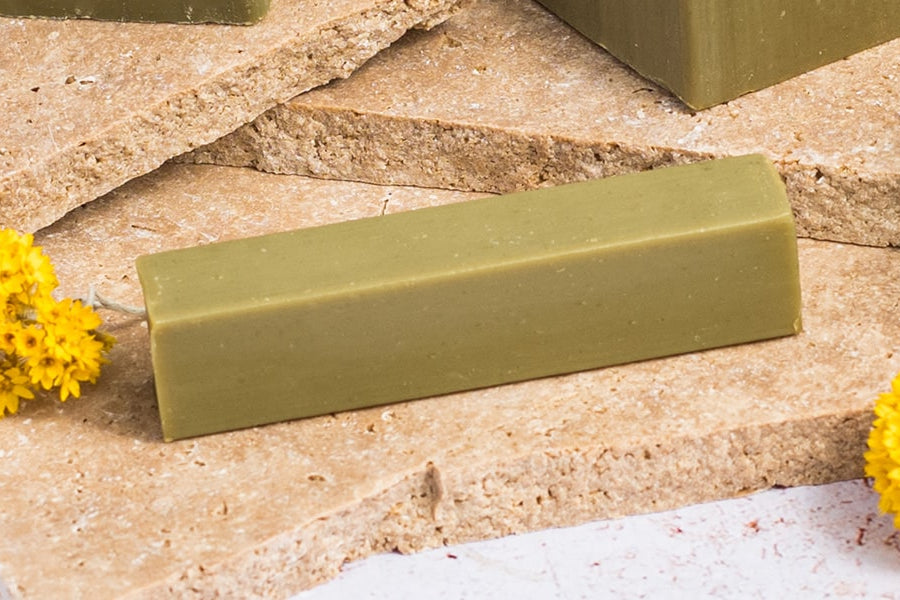
Rampal Latour innovates once again by launching, in 2014, the first true Extra Pure Marseille soap certified by Ecocert (COSMOS Natural standard), available in a 600g cube, a 300g bar, and a 150g tablet.

In 2019, a new range was launched, Safelife certified: Marseille soap-based formulas designed for the safest daily cleansing care, suitable for babies' immature skin and pregnant women's skin. They apply a strict precautionary principle, excluding over 180 potential allergens and endocrine disruptors from their formulations.

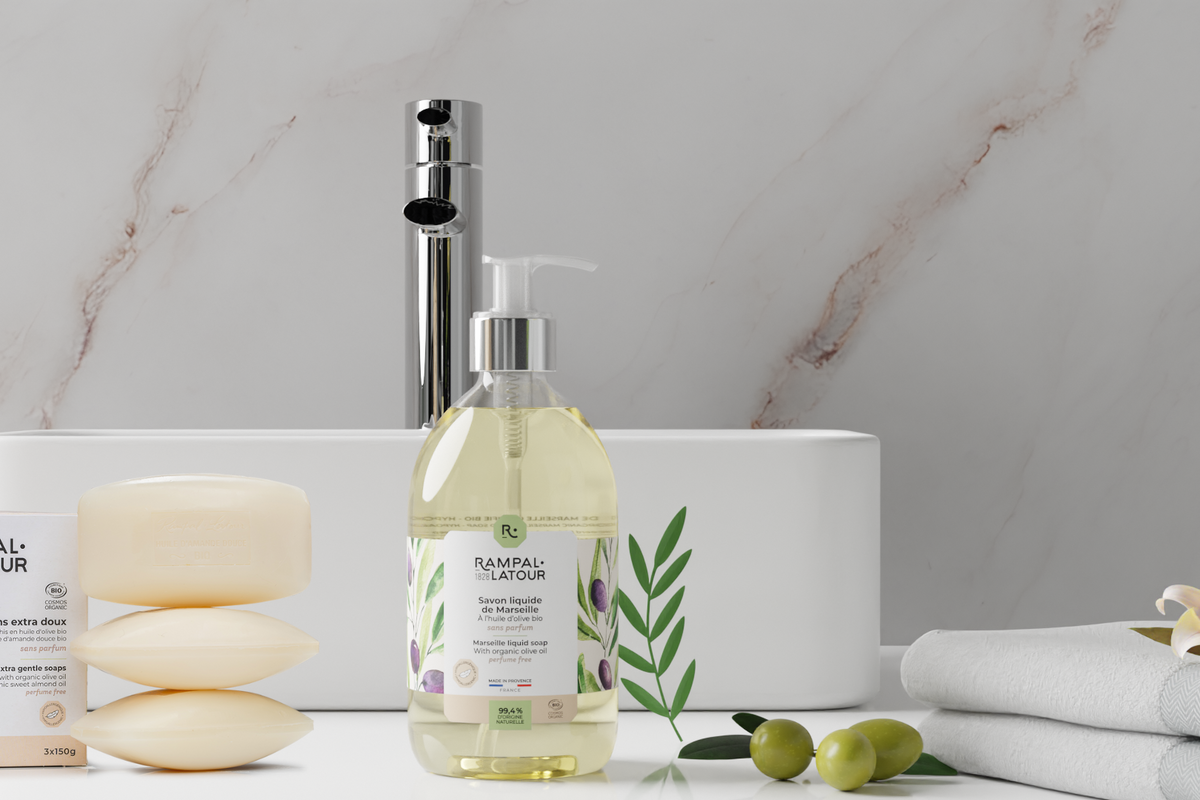
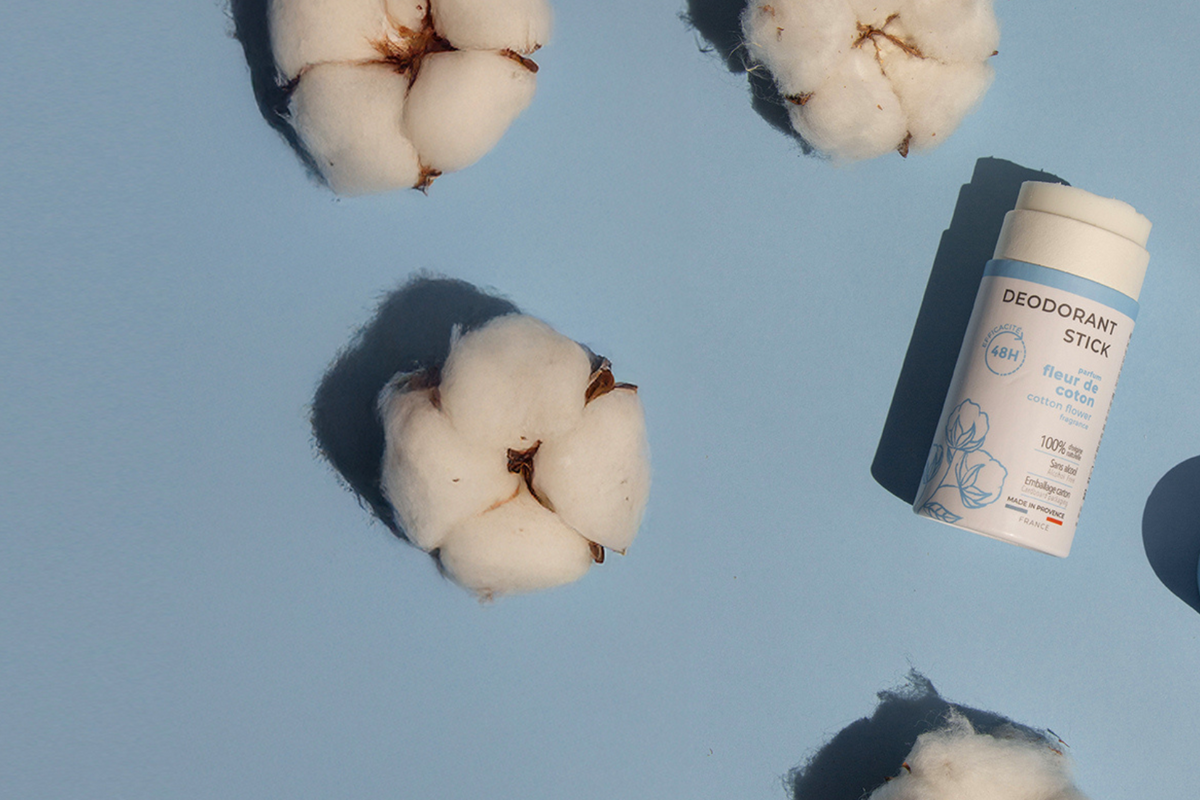
The integration of Compagnie de Provence's ranges once again expands the scope of possibilities: for the first time in its history, the Salon-de-Provence company can offer a complete range of liquid soaps alongside its historic bar soap.