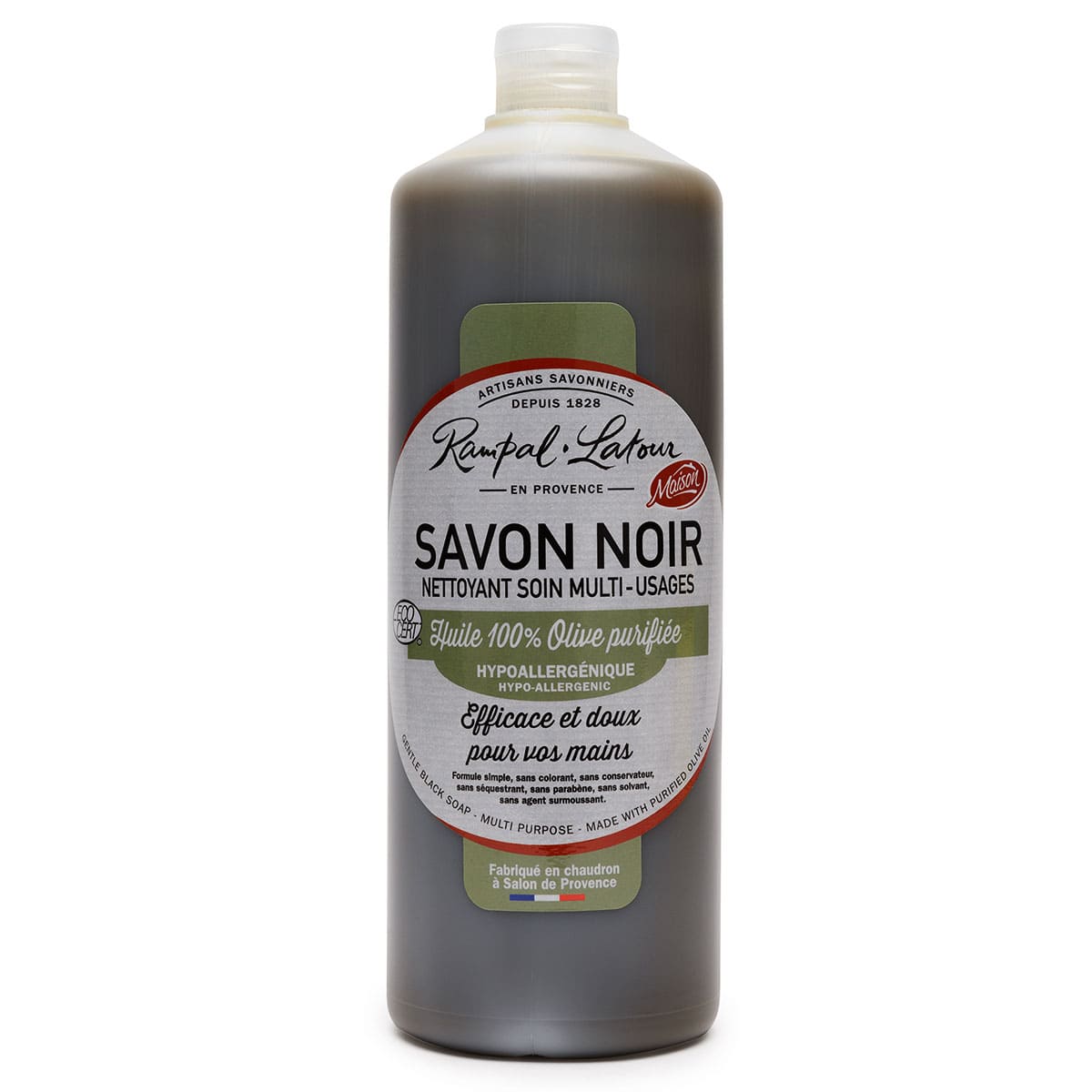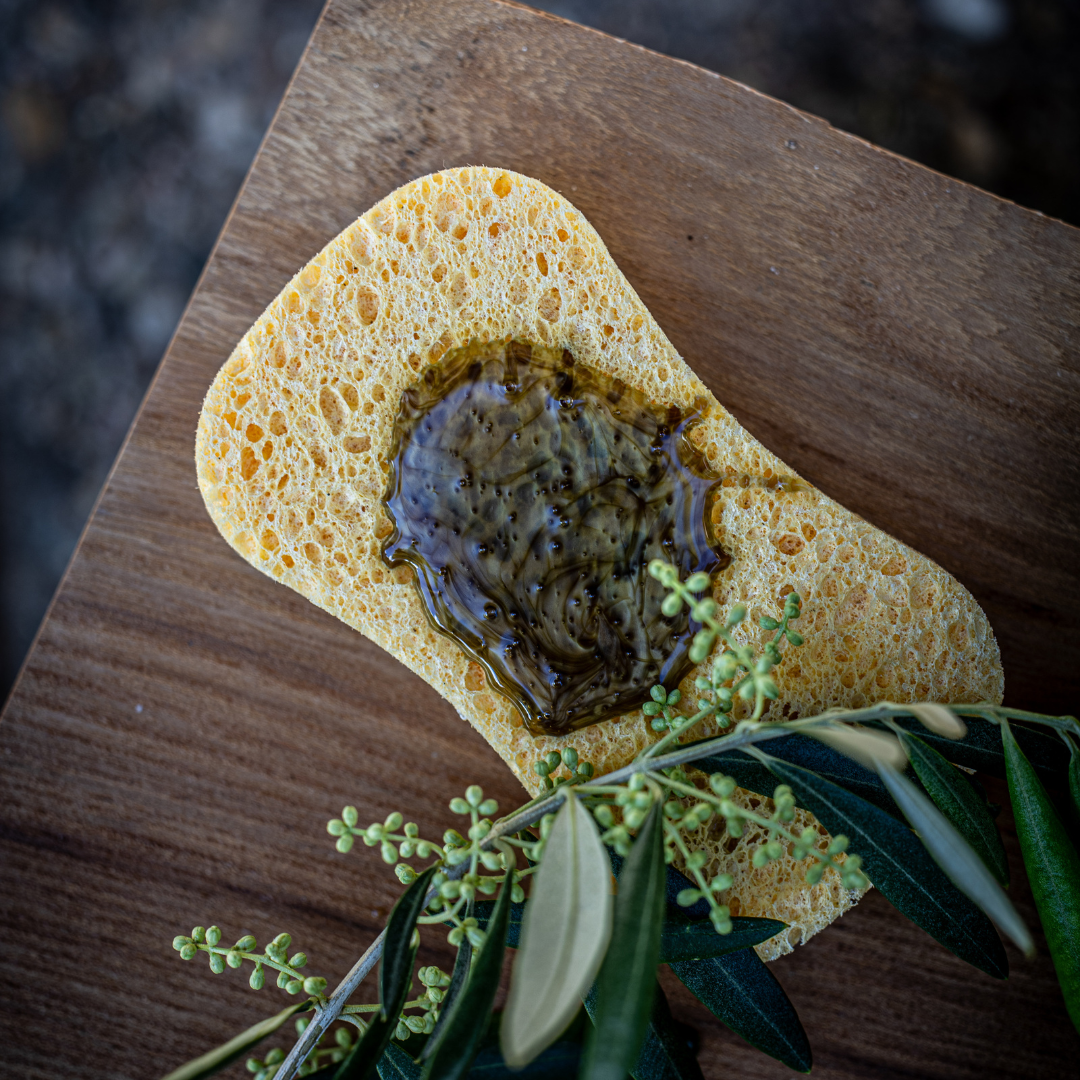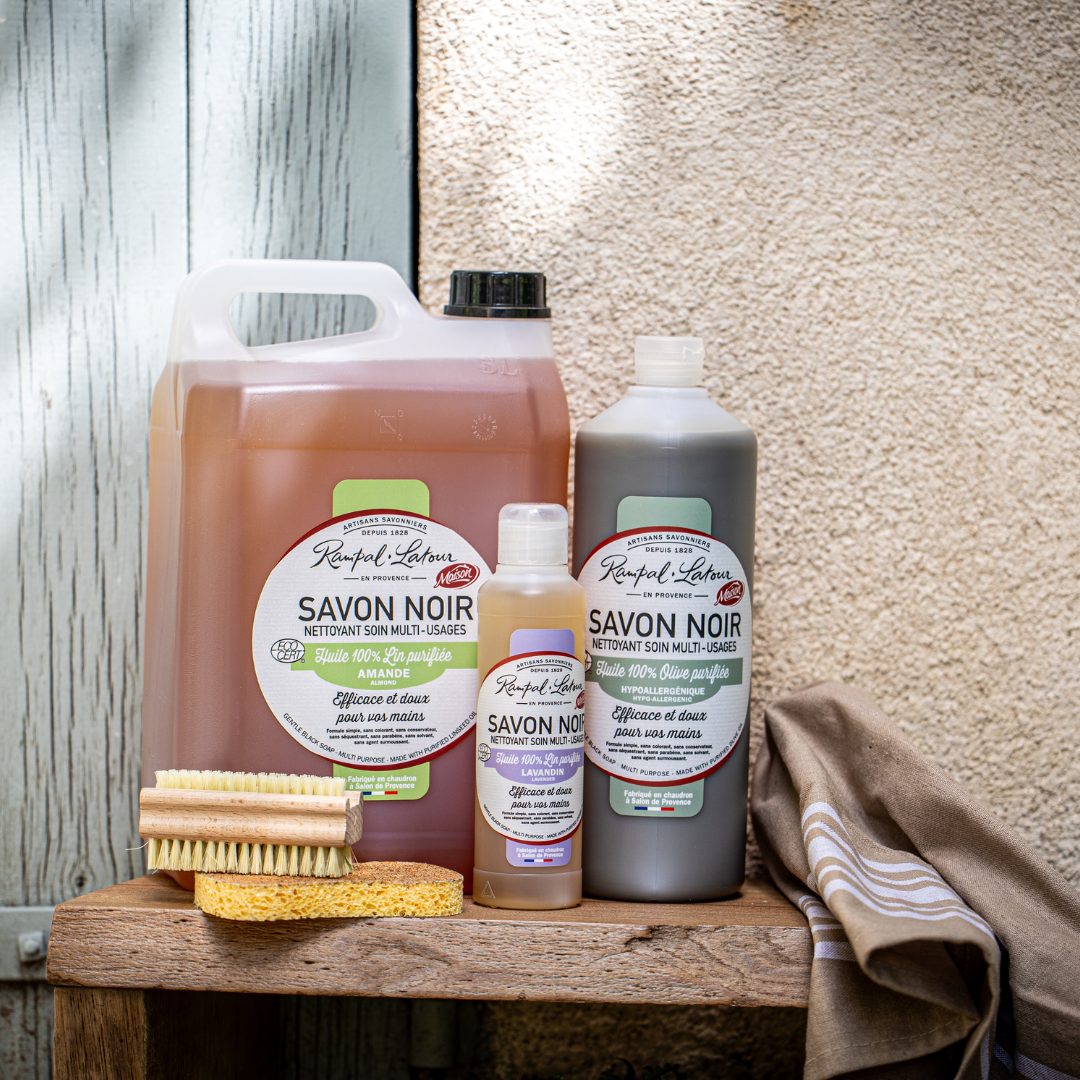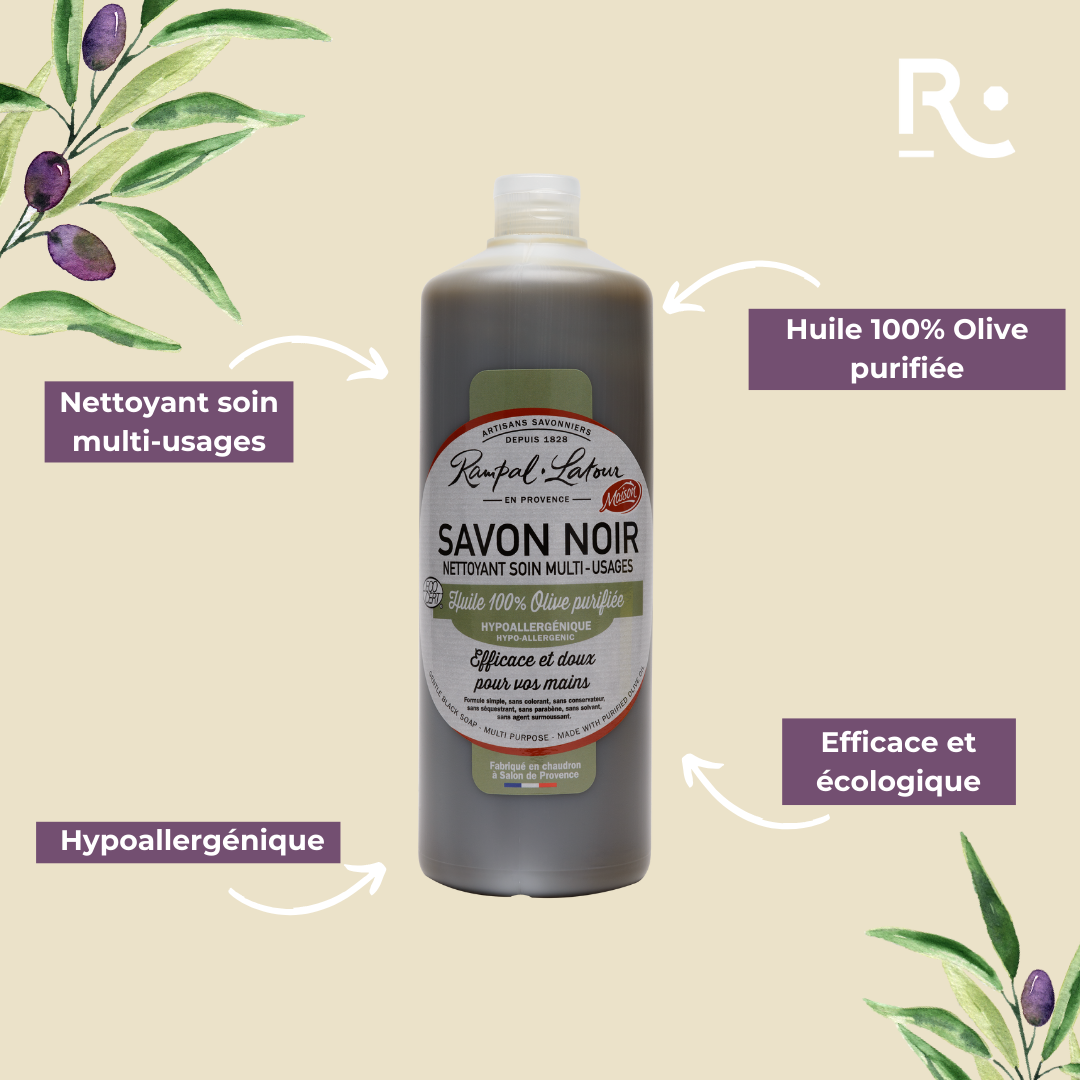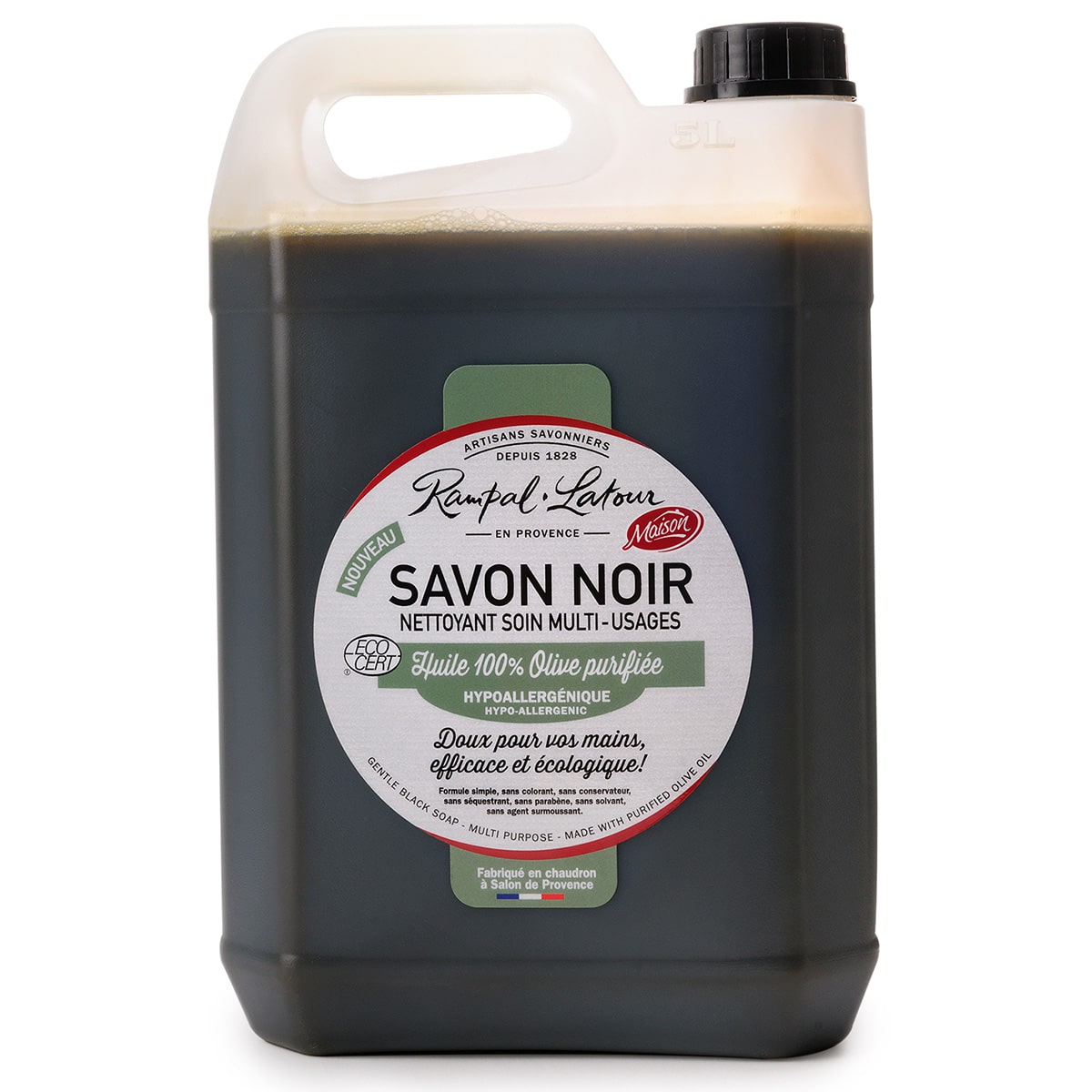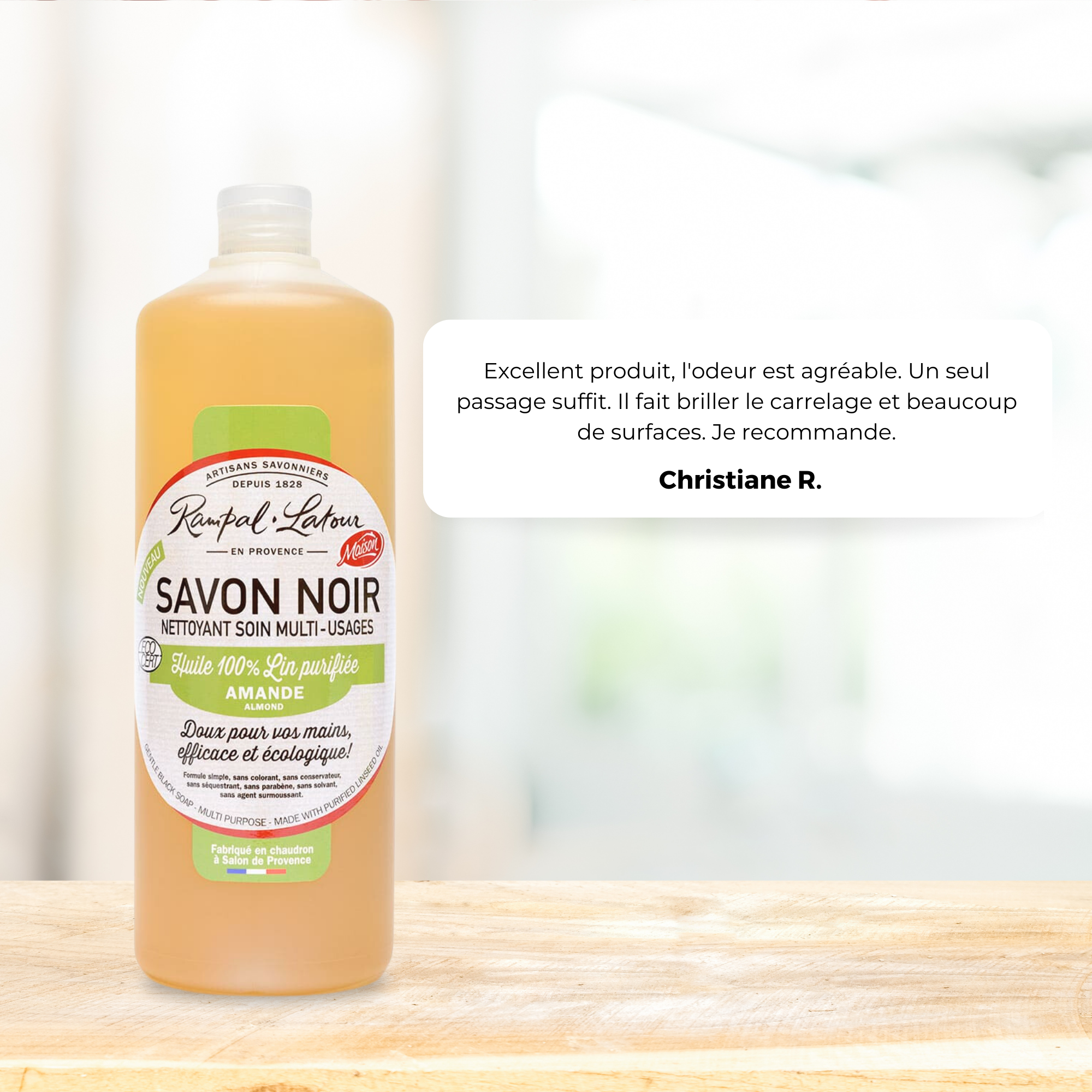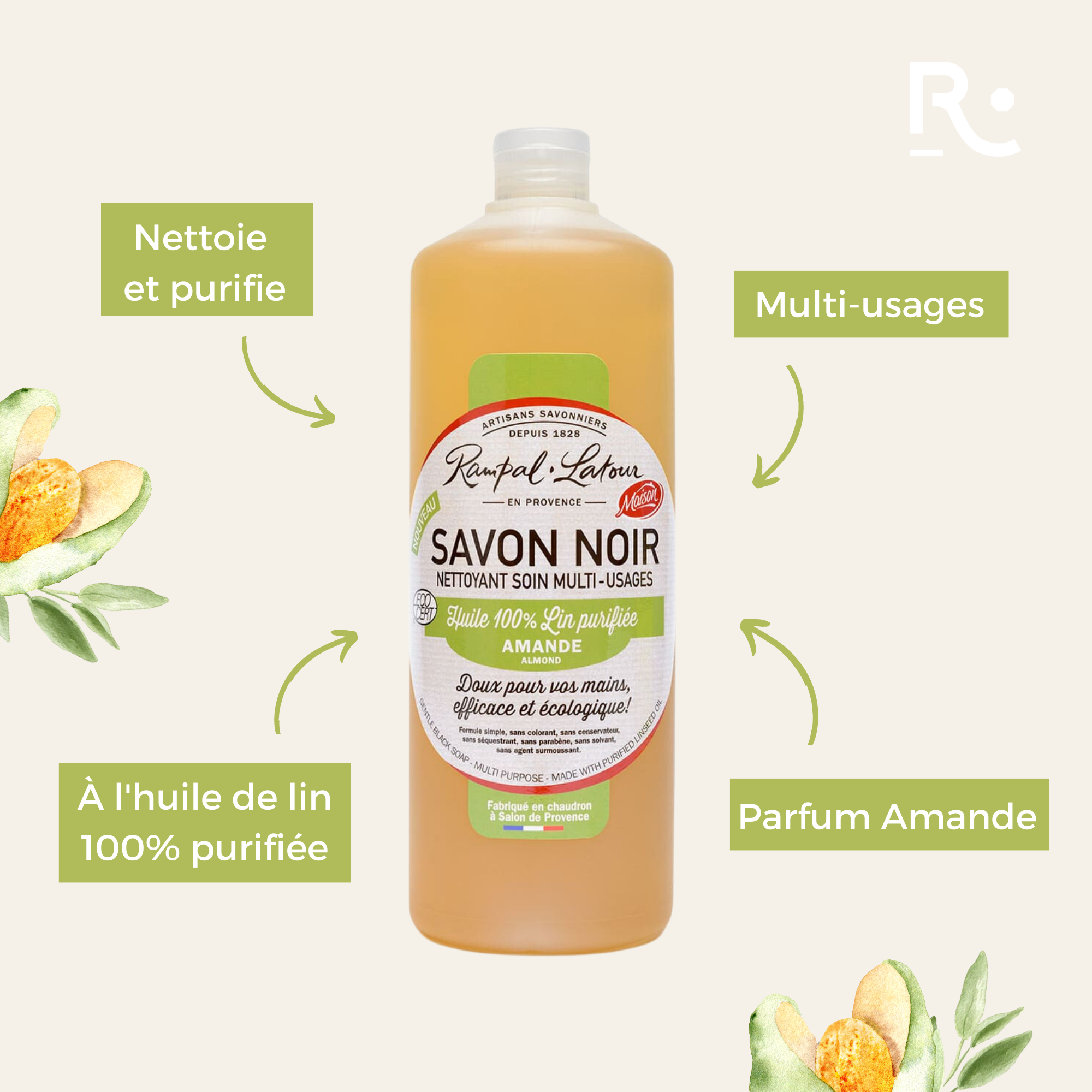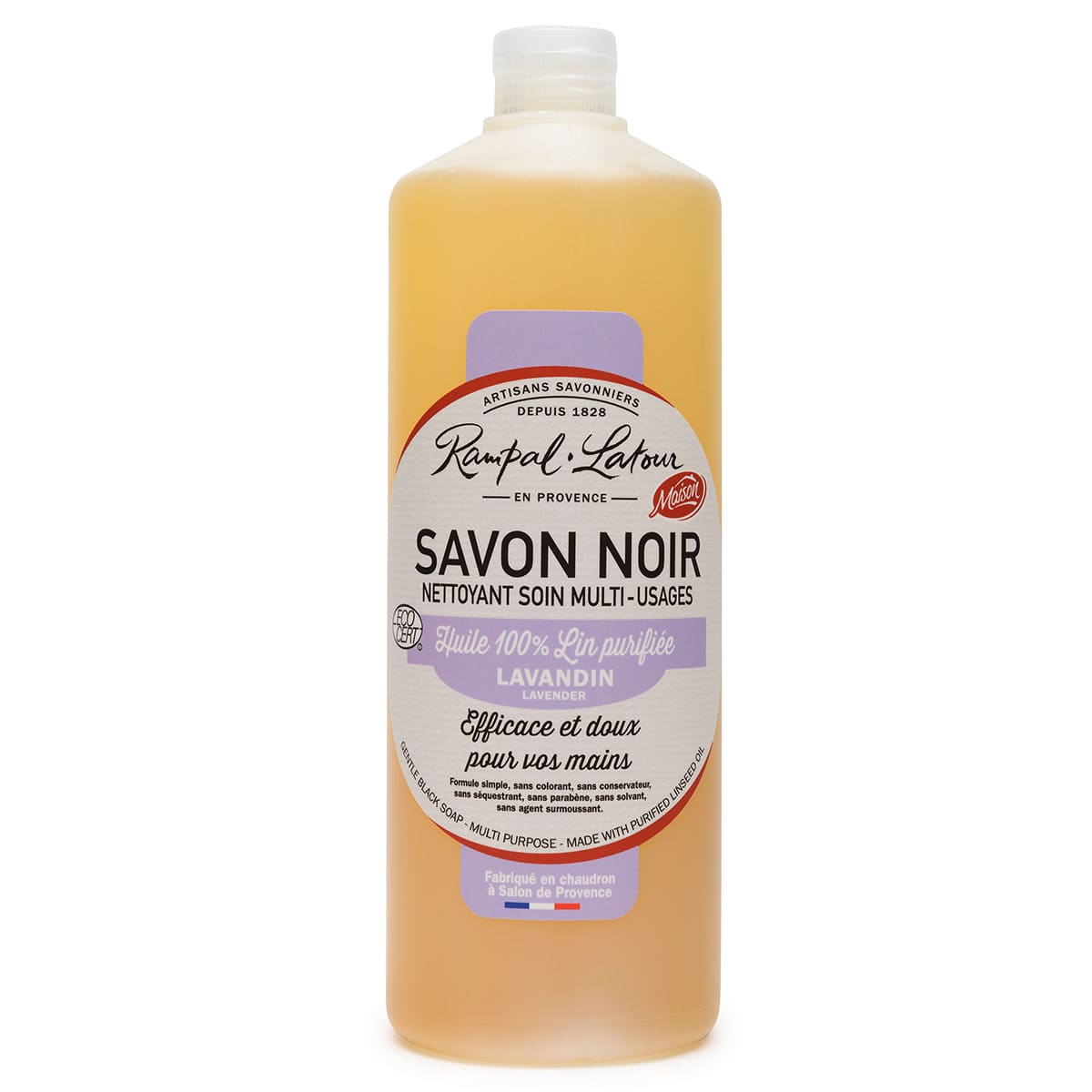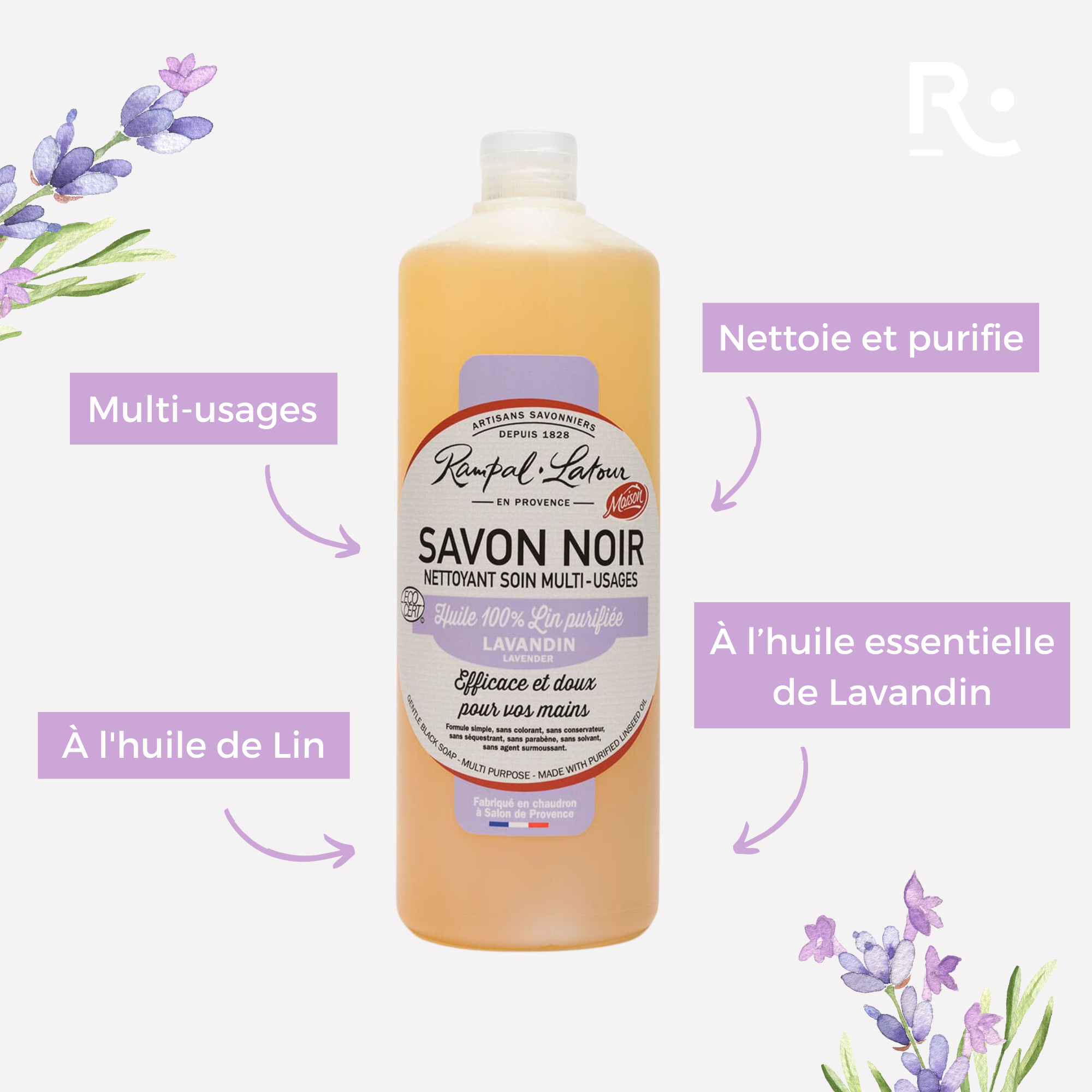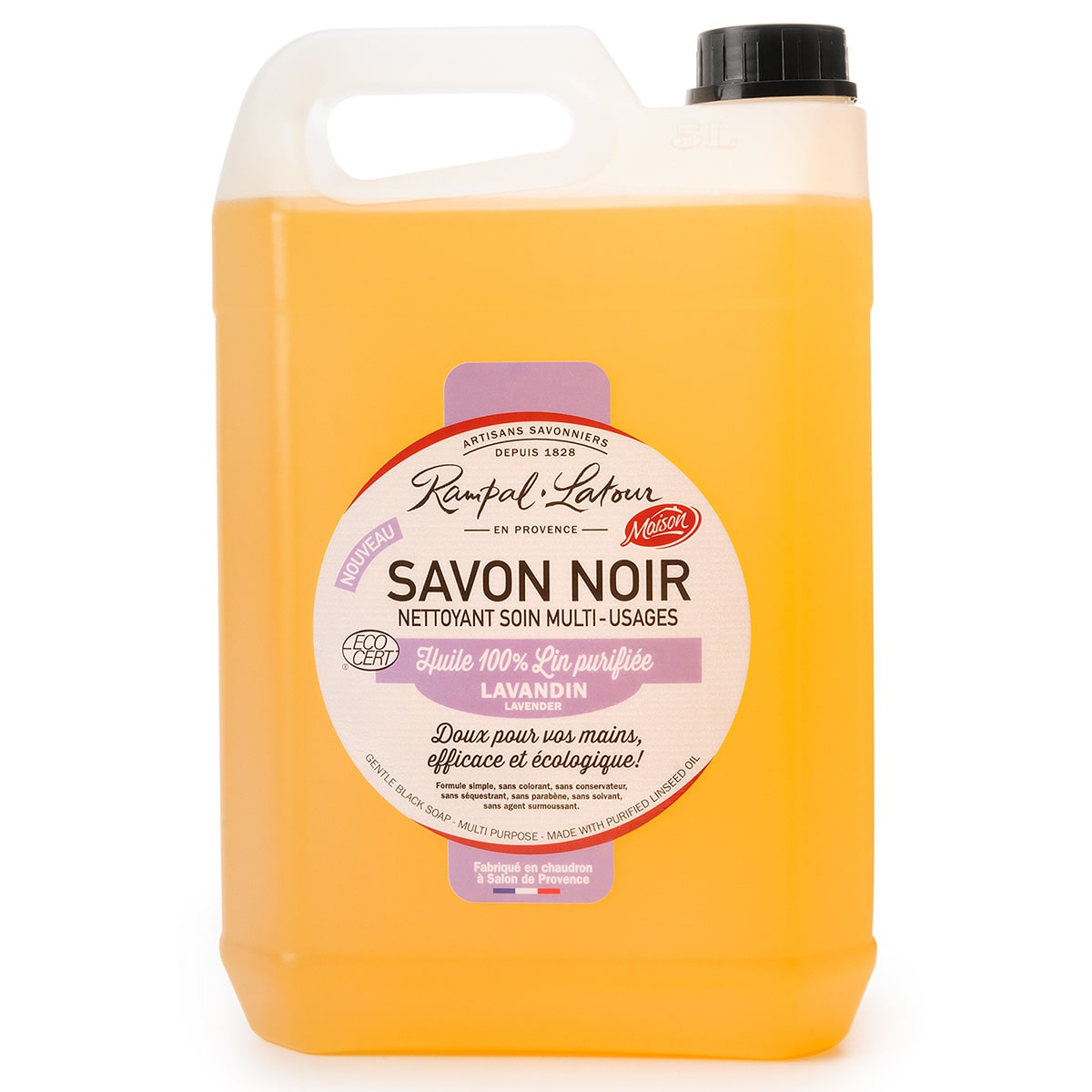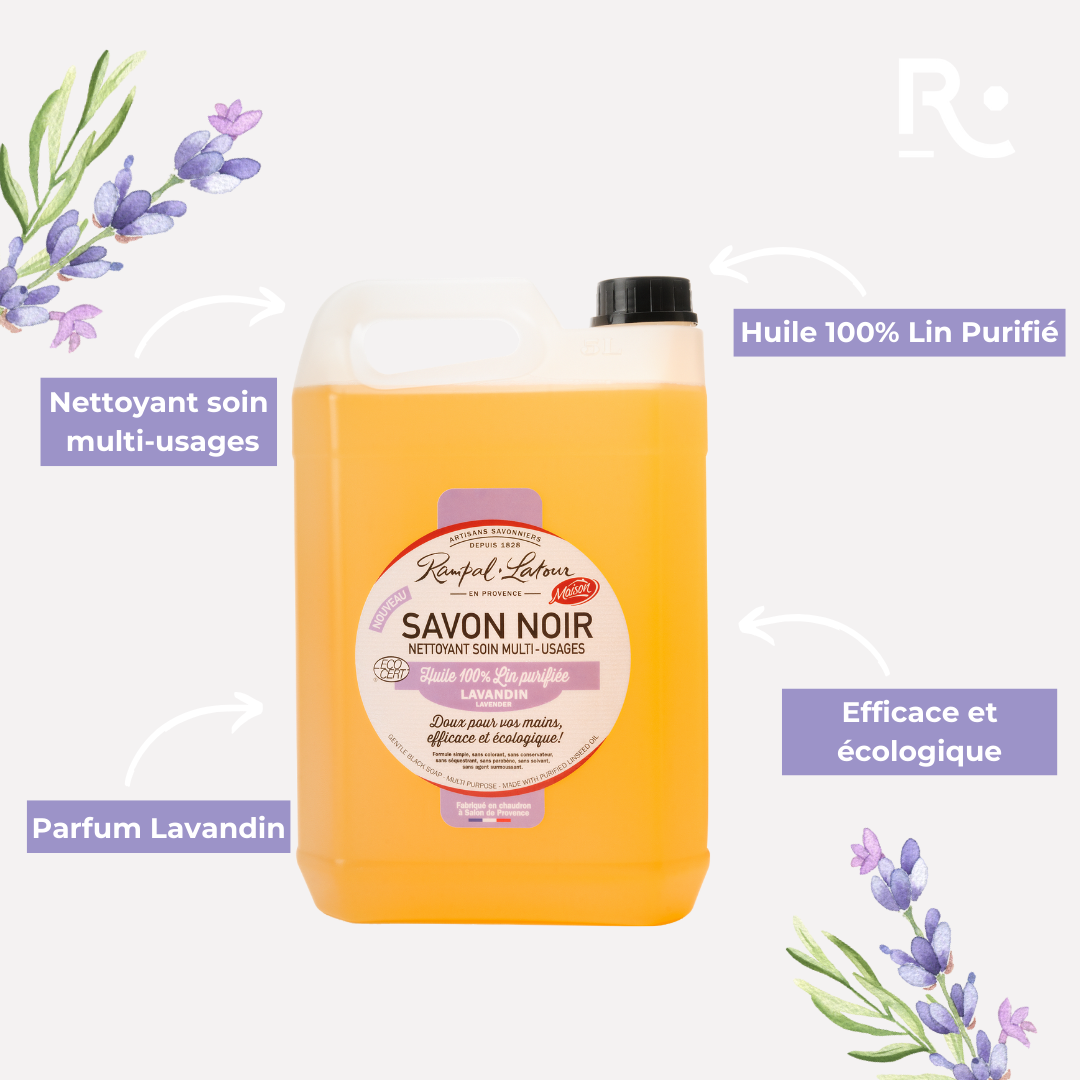

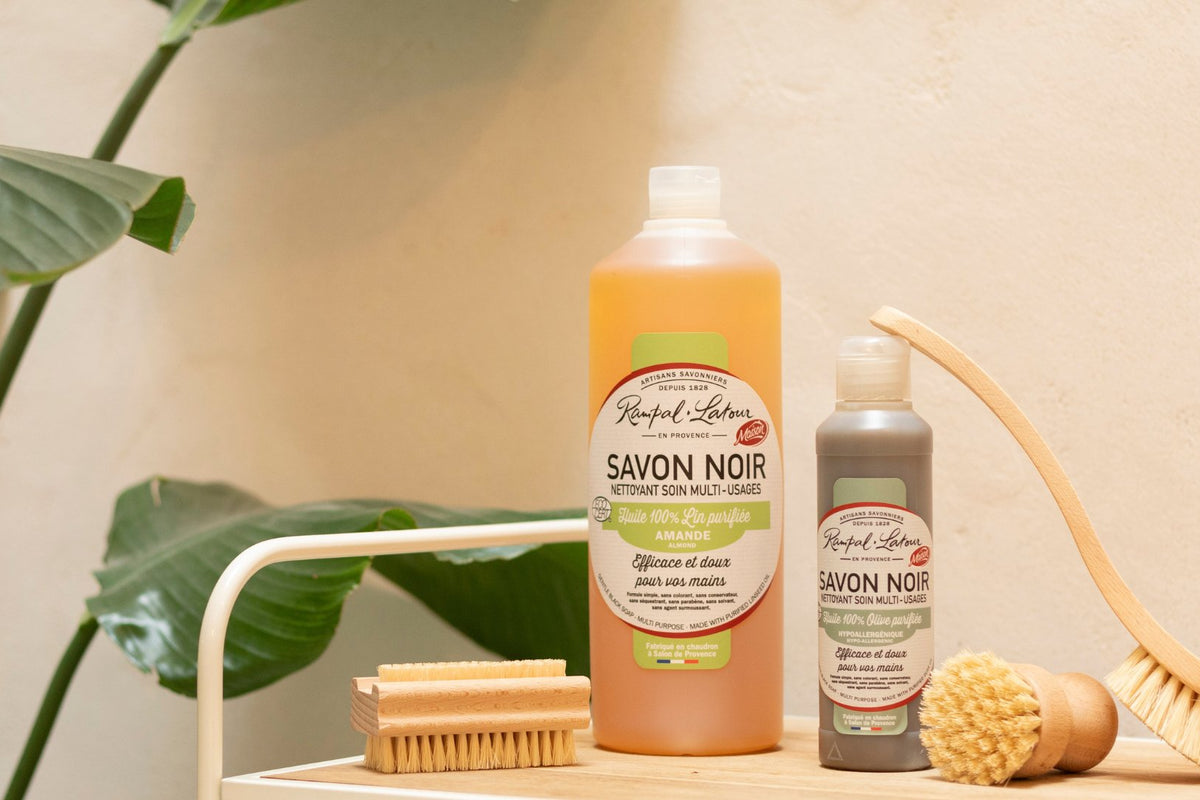


An age-old product used for millennia, black soap is a valuable everyday ally. Highly prized for its skin benefits, it also comes in a form suitable for household cleaning or insect control. As a natural and biodegradable product, this natural cleaner is a perfect alternative to chemical products: it eliminates pests while preserving biodiversity and protecting infested plants. How do you use black soap as an insecticide? Definition, scope of action, uses: here's everything you need to know about its application!
What is black soap?
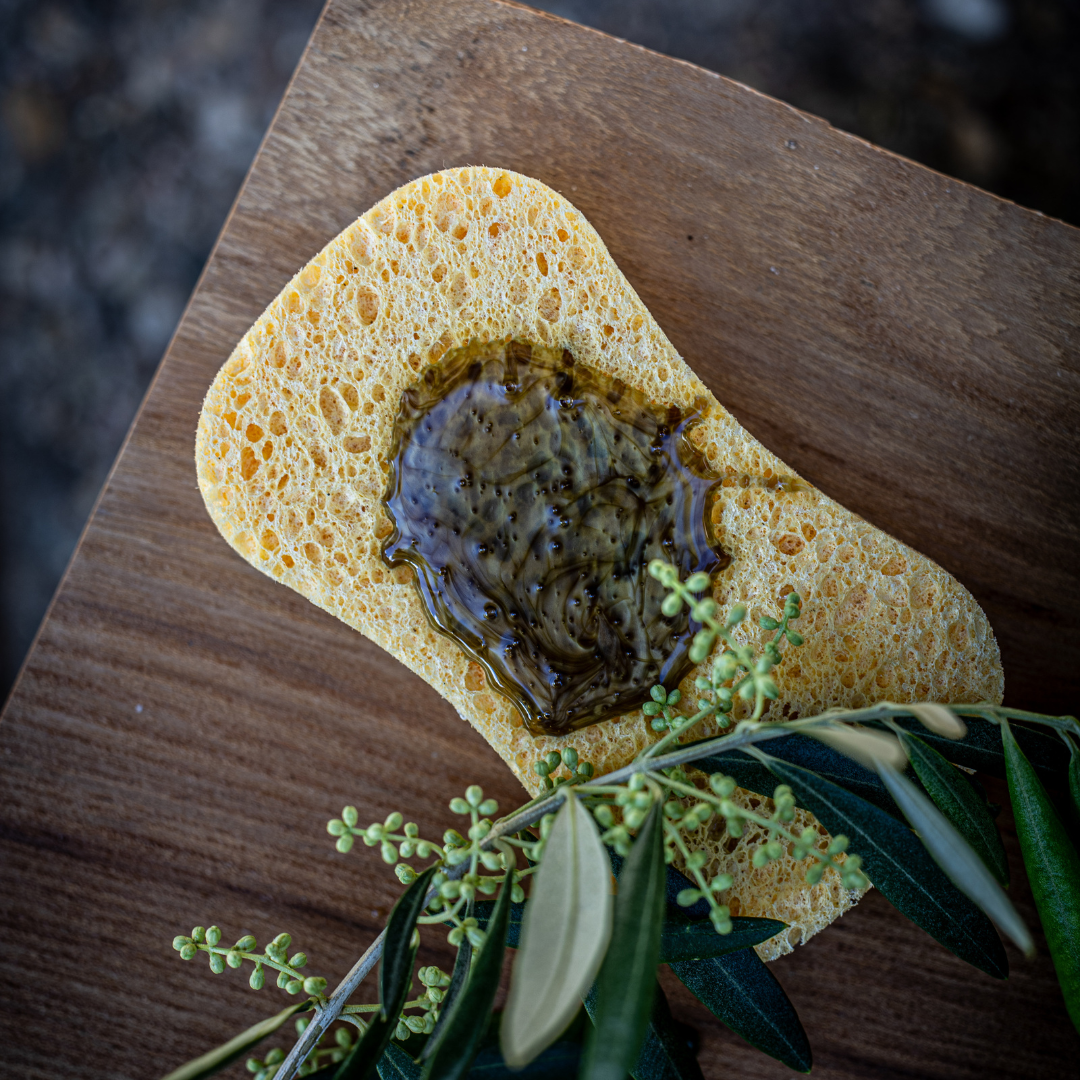
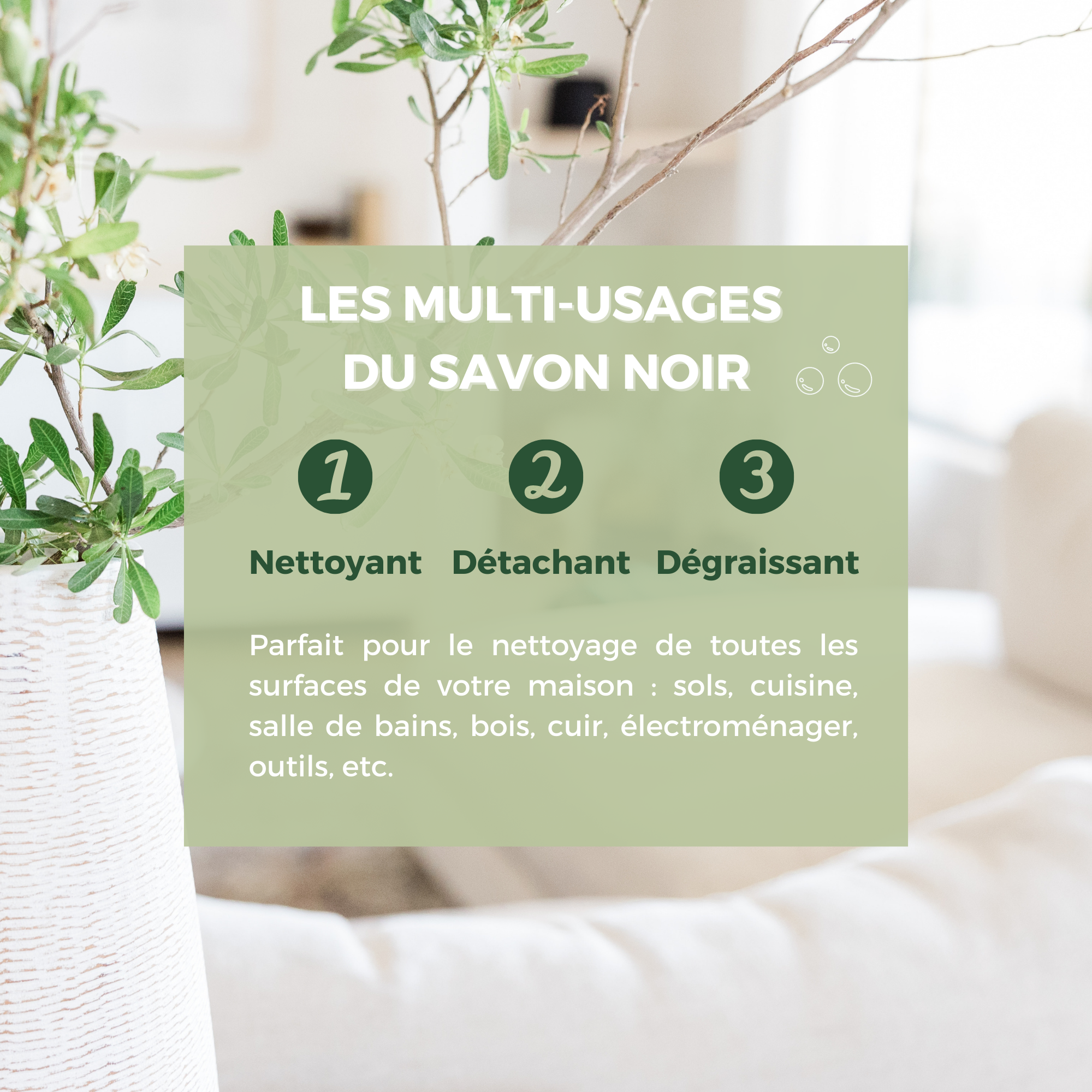
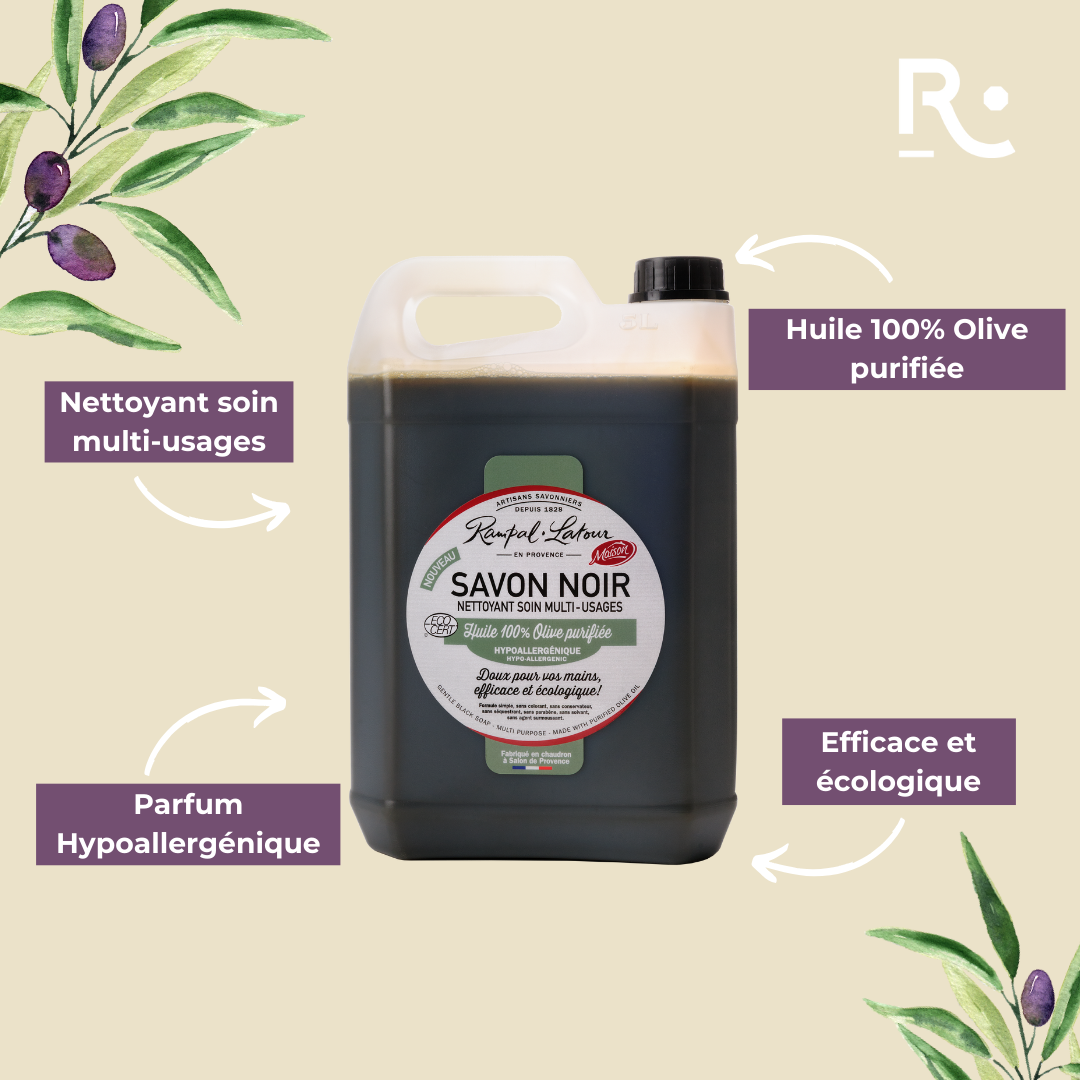
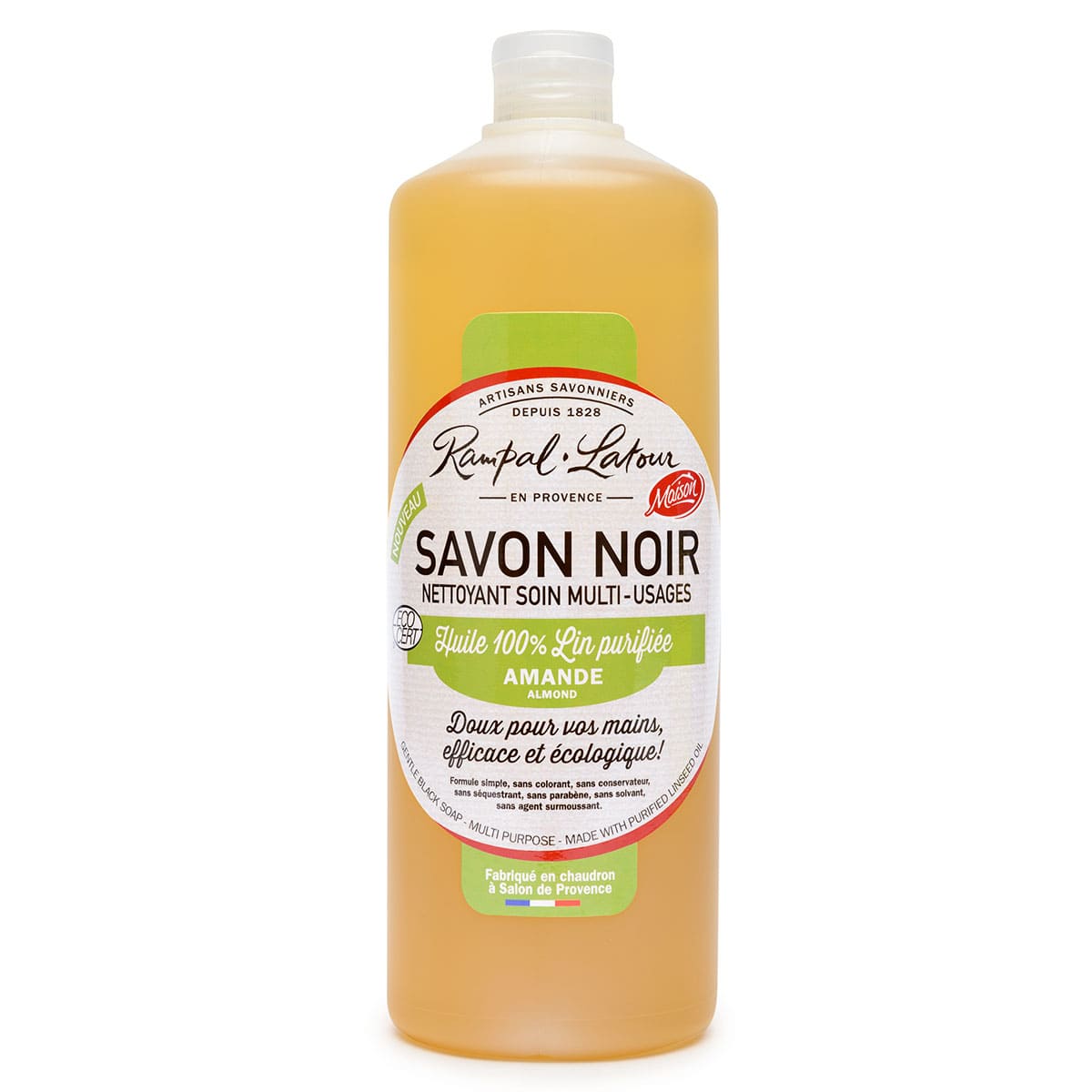
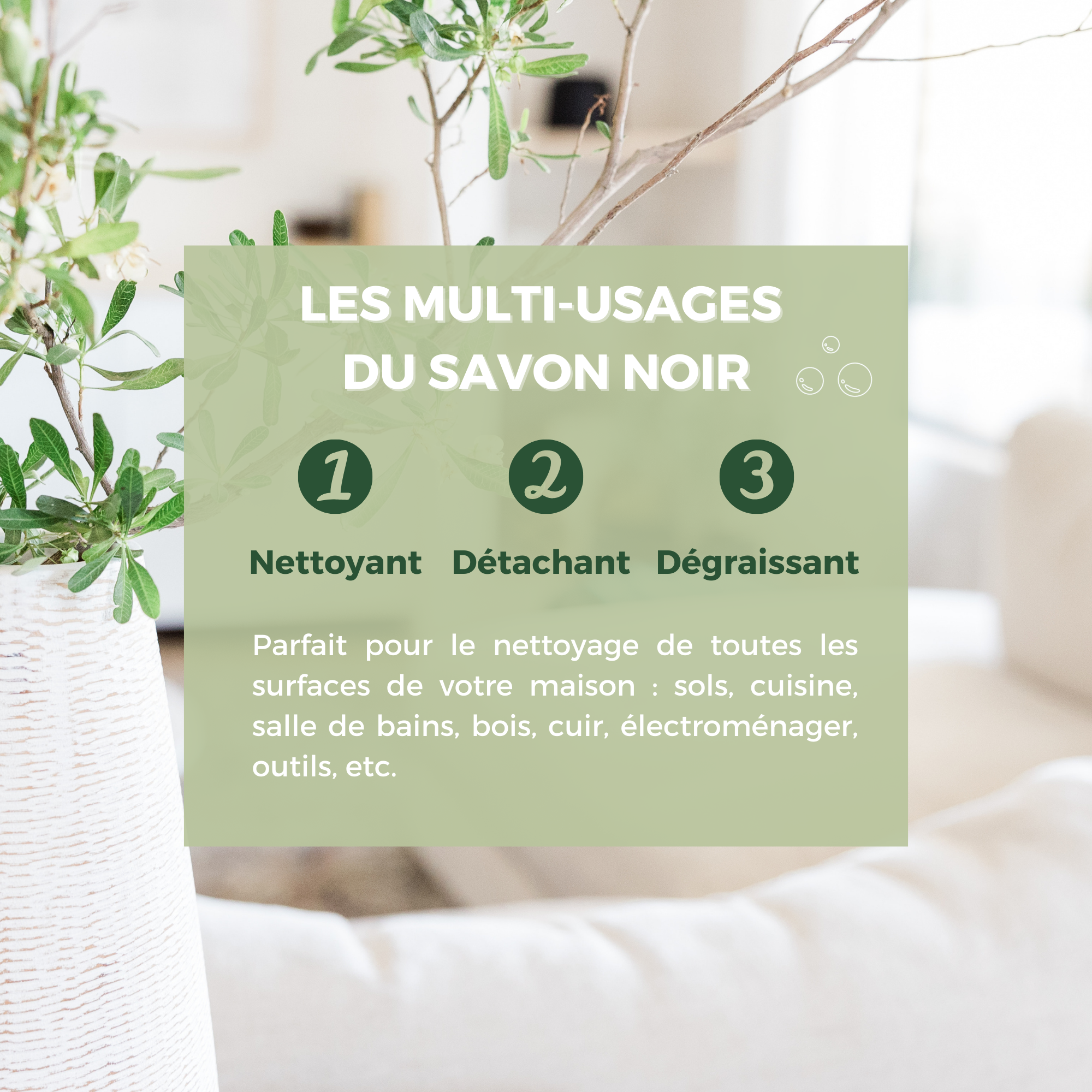
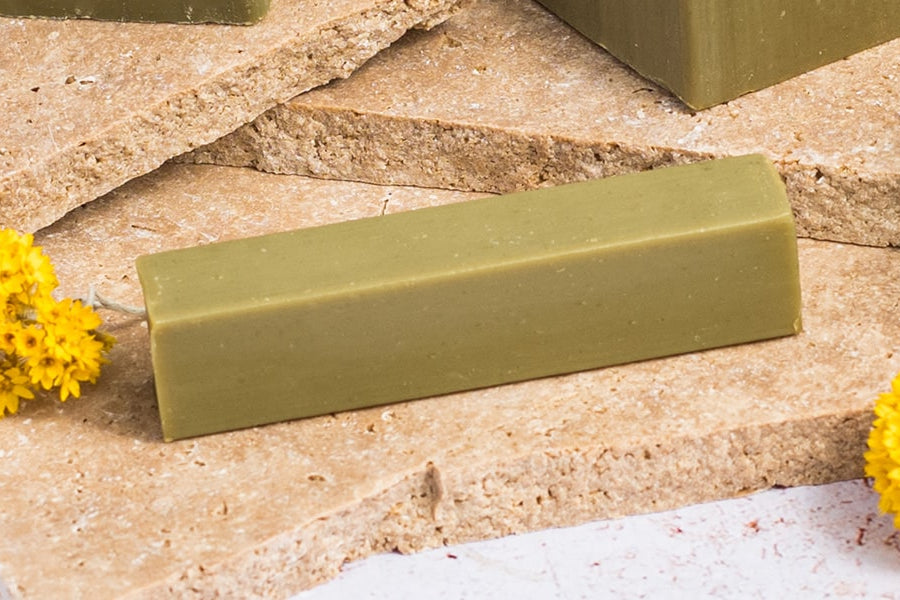
Made from linseed , olive , or sunflower oil, black soap is a plant-based and biodegradable product. Easily recognizable by its brown color, sometimes verging on black, it is used as a versatile cleaner for various types of surfaces. Its natural composition makes it an ideal alternative to chemical products, more respectful of the environment and biodiversity.
Used as an insecticide, black soap can eradicate pests that attack plants and shrubs. After being diluted in water, it acts as a perfect natural insecticide by suffocating insects on contact. It thus offers an effective solution for controlling pests while preserving their ecosystem.
Why use black soap as an insecticide?
Unlike insecticides derived from the agrochemical industry, black soap is composed of 100% natural ingredients. Its use eliminates insects without damaging the plants being treated.
Black soap acts as a contact insecticide . Once sprayed on plants, it disrupts the cell membranes of insects, suffocating them. This so-called "mechanical" solution differs from chemical solutions: pests are eradicated, but other living organisms are preserved. Biodiversity is therefore not disrupted.
Eliminating aphids with black soap
Aphids are pests that feed on plant sap. Highly invasive in gardens, they can be easily eradicated with a surface insecticide based on black soap. When it comes into contact with aphids, the soap penetrates their bodies and paralyzes their respiratory function. This is a natural and effective way to get rid of aphids in your garden.
Using black soap against aphids :
- Dilute 3 to 4 tablespoons of liquid black soap in 1L of hot water.
- Then spray the solution on your plants, preferably at the end of the day and when the weather is favorable.
- Ensure that the underside of the sheets is well coated with the product.
- The next day, rinse your plants with clean water to get rid of the dead aphids.
Treating mealybugs with black soap
A natural and biodegradable product, black soap is an ideal alternative to chemical insecticides for combating scale insects. These pests, very common in gardens, damage plants by feeding on their sap. Spraying this natural product allows for a mechanical action against these insects. Black soap breaks down the waxy coating that protects the scale insects' bodies, leading to their death.
Using black soap against mealybugs :
- Prepare 1L of water and mix in a teaspoon of black soap.
- Spray this solution on the areas affected by scale insects.
- By repeating this treatment every two weeks, you will be able to control the presence of mealybugs while preserving the health of your plants.
Fighting red spiders with black soap
Red spider mites, much feared for their attacks on plants, can be eliminated with a natural solution: black soap. Spraying this natural insecticide on infested leaves creates a protective barrier against the mites. Their ability to feed is restricted, leading to their death.
Using black soap against spider mites :
- Mix one tablespoon of liquid black soap in 1L of water.
- Spray this solution on the infested leaves, paying particular attention to their undersides.
- Repeat this treatment every two weeks until the pests are eradicated.
Eradicating gnats with black soap
Fruit flies are among the biggest pests of houseplants. Compost and potting soil are often their preferred breeding grounds, as they contain the organic matter needed to feed the larvae. Using black soap as an insecticide can therefore be necessary to eliminate fruit flies in a simple and natural way.
For that :
- In a ratio of 1 to 4, dilute liquid black soap in water to make your natural insecticide.
- Spray the solution on the leaves and soil of your houseplants.
- The treatment can be repeated every two weeks to eliminate gnats from your plants.
Repel ants with black soap
Black soap is an ideal natural repellent against ants . Once sprayed in areas frequented by ants, it acts as a deterrent barrier that disrupts their pheromones. It's therefore a non-toxic way to keep ants away from your plants, while respecting the environment.
Using black soap against ants :
- Dilute 1 cap of black soap and ½ cap of rapeseed oil in 1L of water.
- Spray the solution twice, one hour apart, on areas heavily frequented by ants.
- By repeating the treatment for 3 days, you will get rid of ant infestations.
Fighting flea beetles with black soap
Flea beetles are small black insects that damage many crops by devouring plants. A solution of water and black soap (a natural insecticide) can combat flea beetles by disrupting their metabolism in a completely natural way.
Protect your plants and use black soap against flea beetles :
- Prepare a natural insecticide by mixing a tablespoon of black soap in a container of water.
- Spray the solution on the stems and leaves of your plants, paying particular attention to areas infested with flea beetles.
- You can repeat this operation every two weeks for total and effective flea beetle control without damaging your plants.
Protecting plants against the palm weevil with black soap
Black soap is an ideal preventative measure against the palm borer moth, an insect responsible for significant damage to these trees. When applied as a preventative measure to infested areas, it creates a deterrent barrier that disrupts the moths' egg-laying conditions. This natural solution thus helps control the proliferation of palm borers while preserving the health of the trees.
Using black soap against palm moths :
- Pour two tablespoons of liquid black soap into 1L of water and mix.
- Next, spray this solution over all the leaves, paying particular attention to the underside, where the eggs of palm butterflies are usually found.
- Repeat the application of the treatment every two weeks to maintain effective protection of your palm trees.