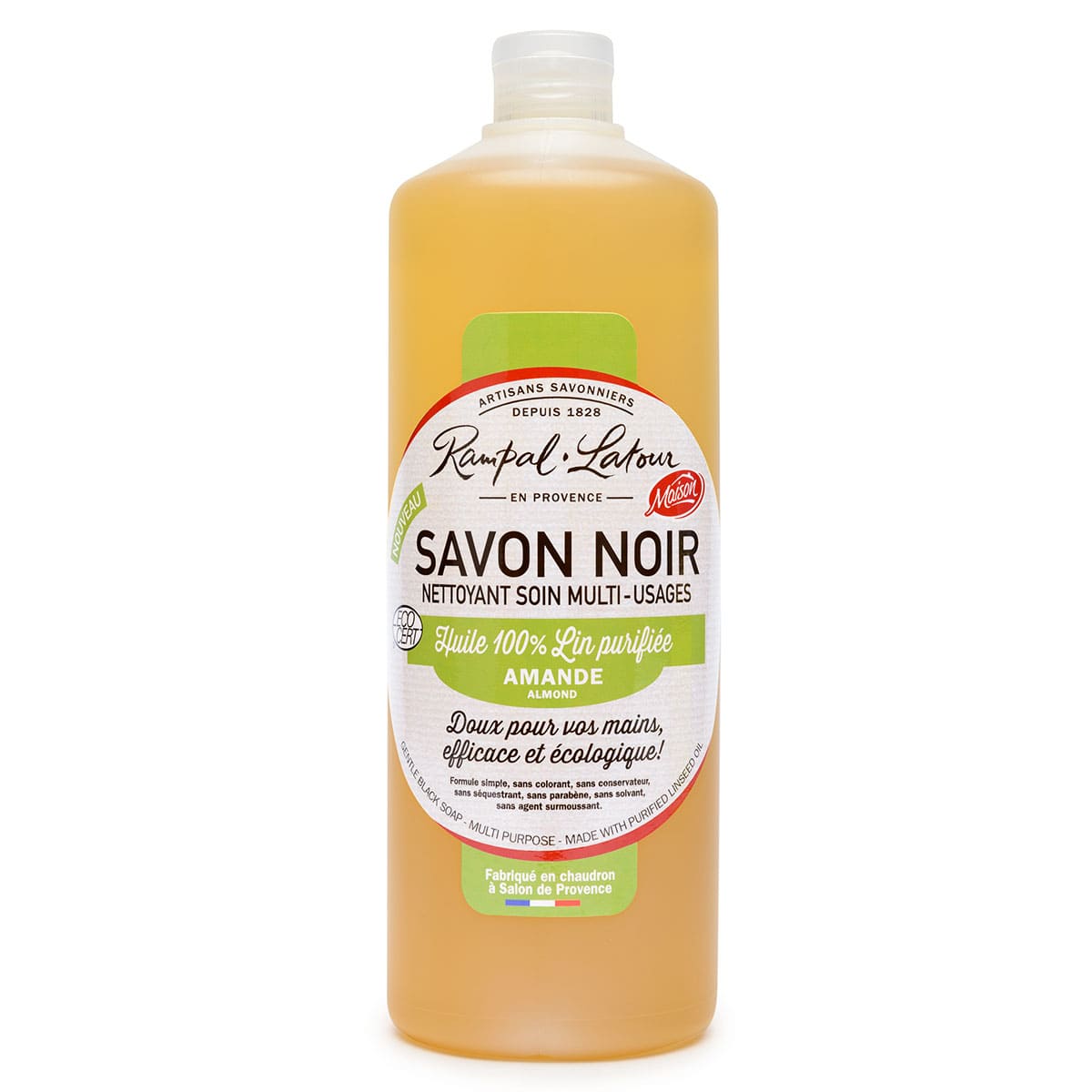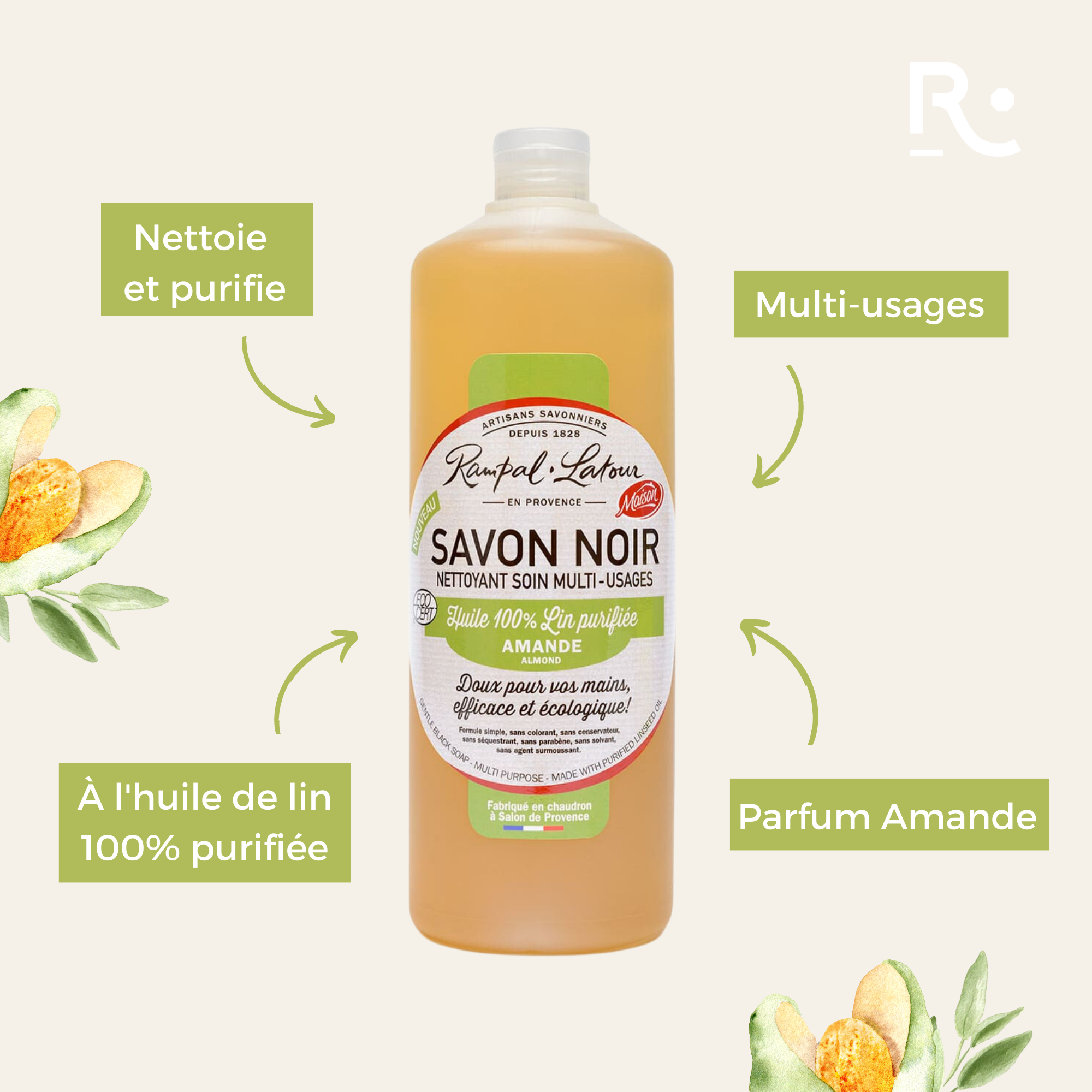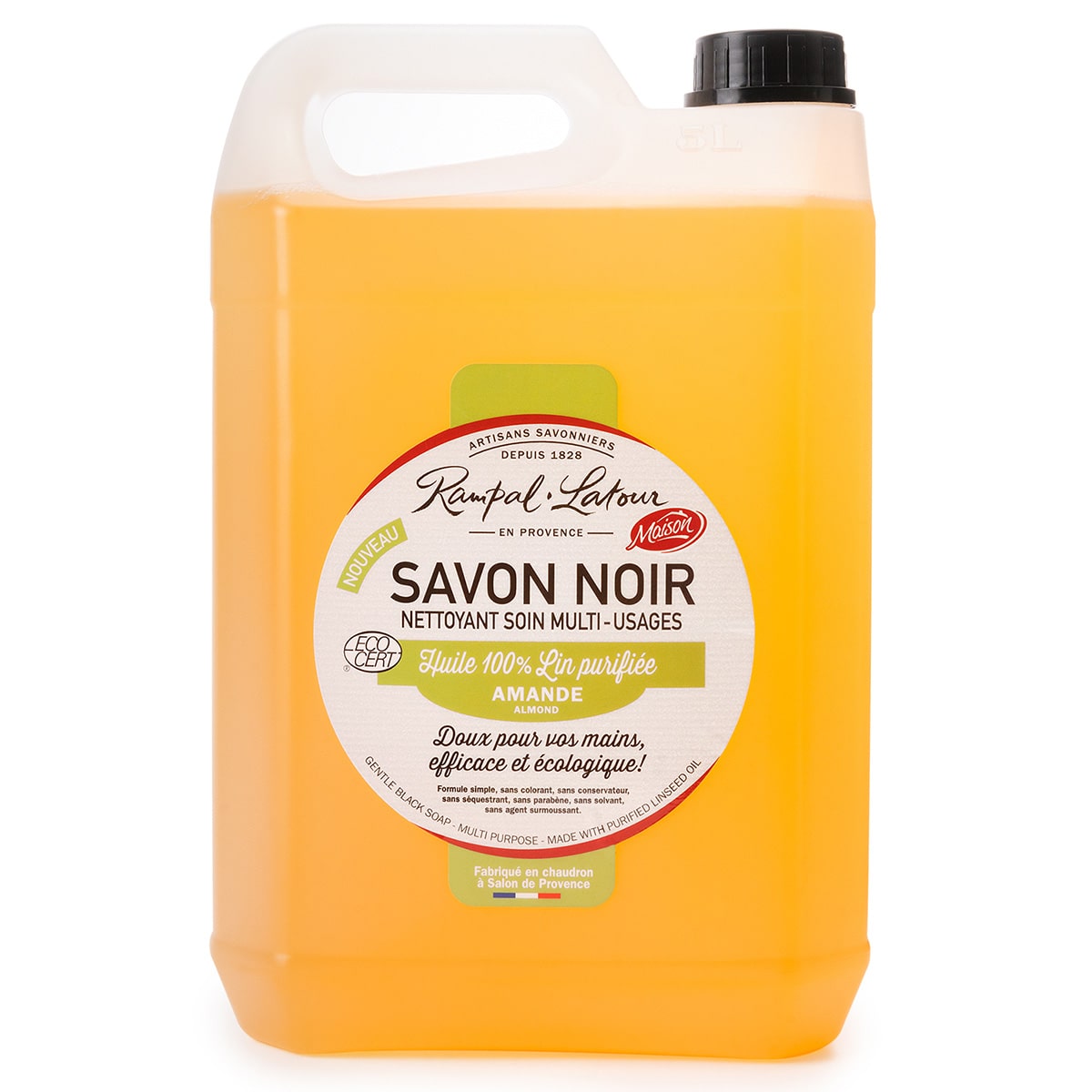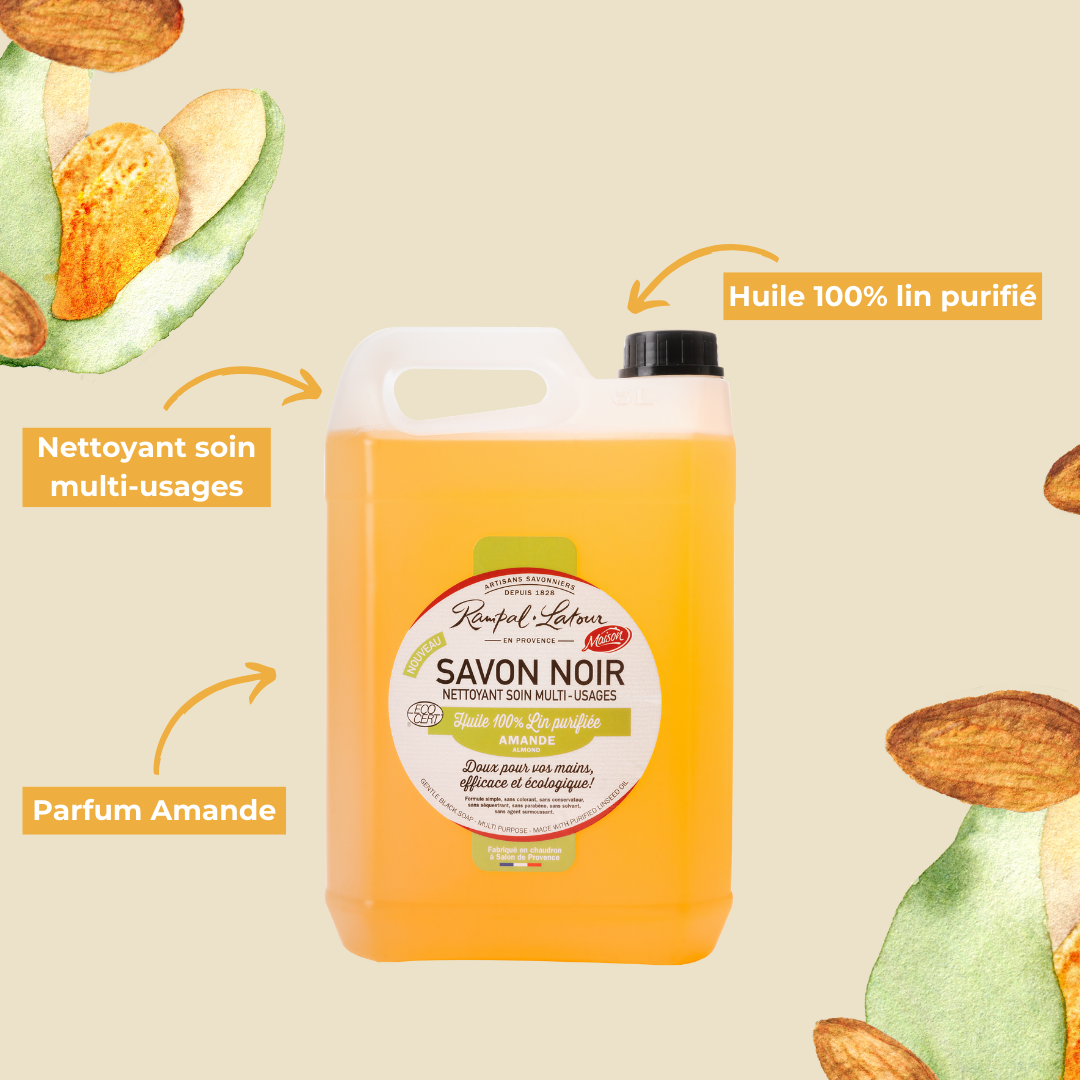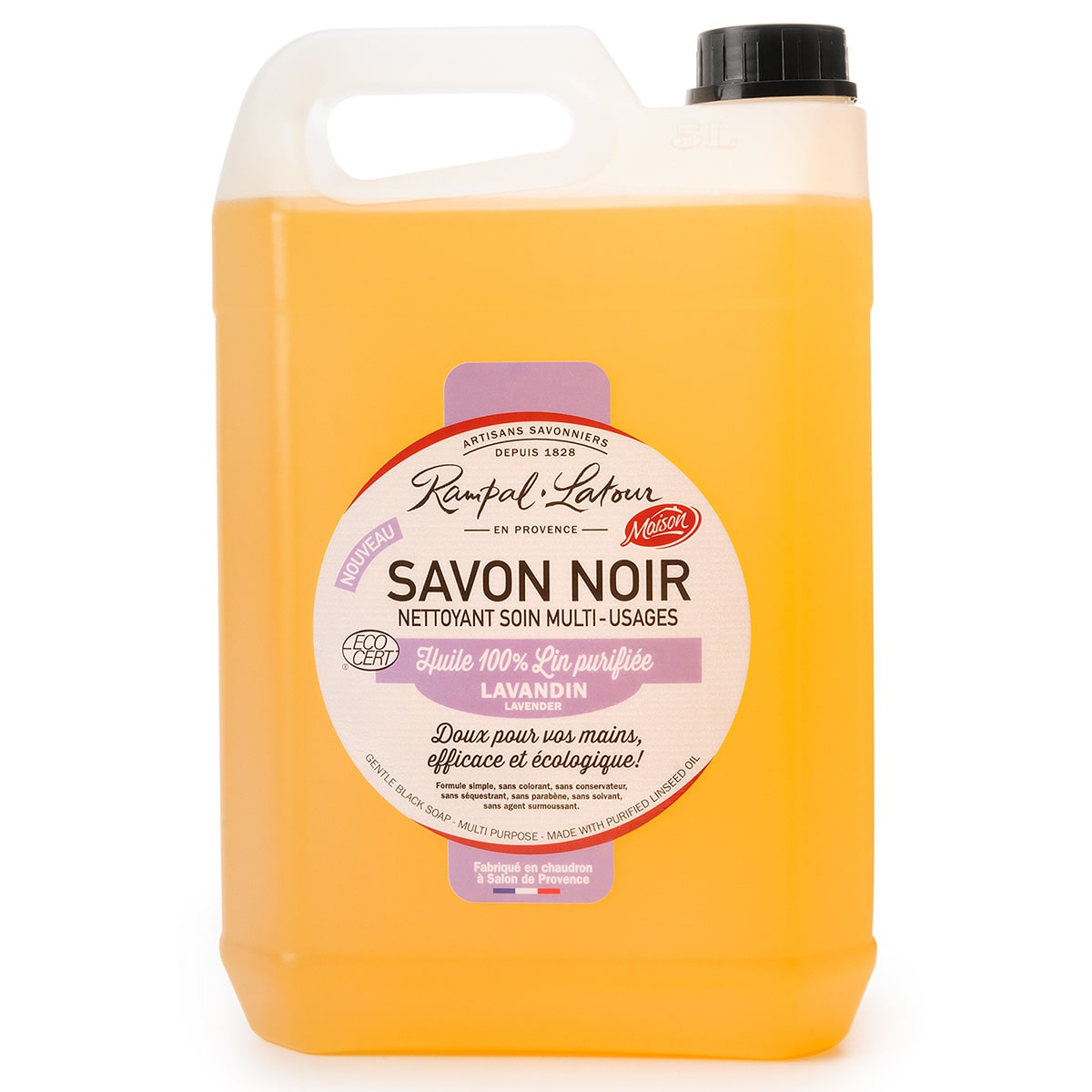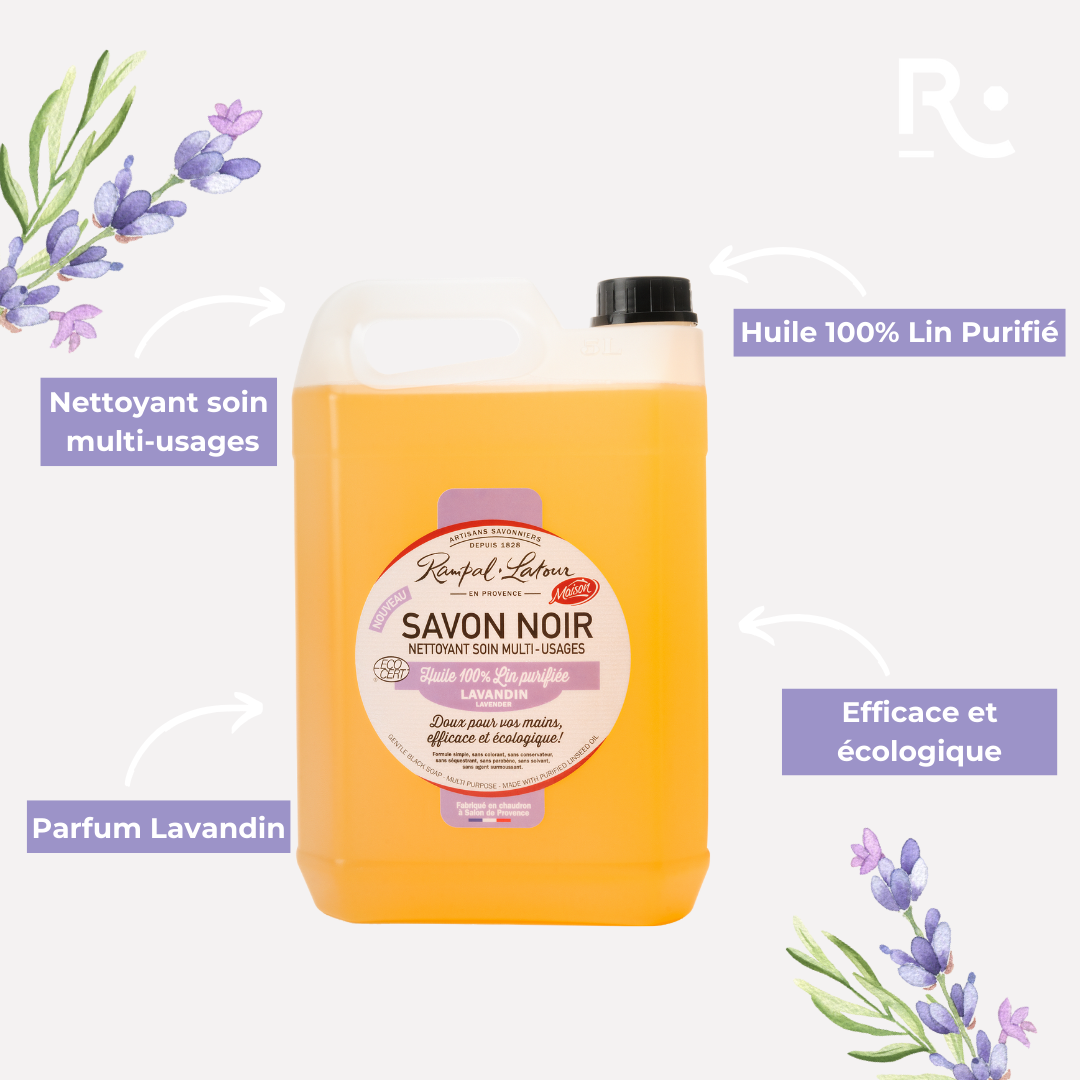

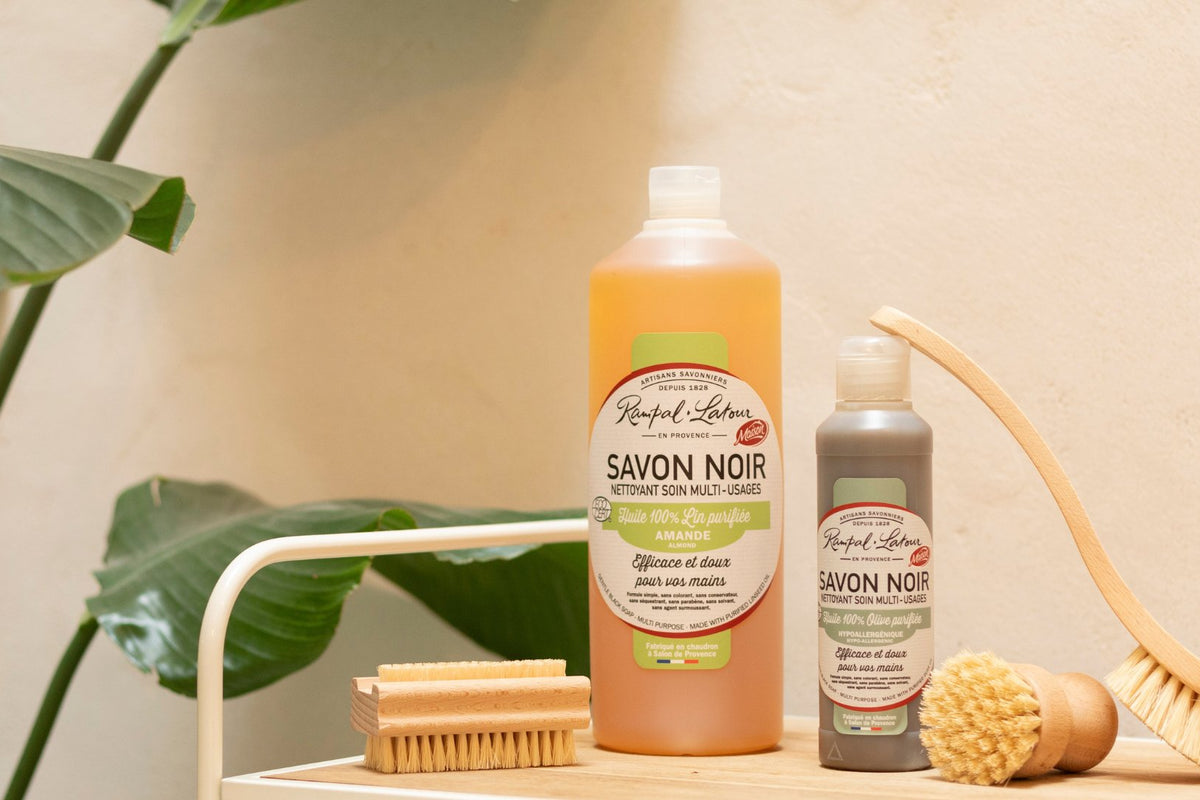


An age-old product with versatile uses, black soap is a biodegradable product made with 100% natural ingredients. In its household formula, black soap is an excellent alternative to harsh chemicals. Its cleaning and insecticidal properties make it a valuable everyday ally, both for cleaning and garden maintenance. What are the advantages of using black soap as an aphid repellent ? What properties of this natural product help protect plants from pests? Find out everything you need to know in our guide!
Using black soap as an insecticide
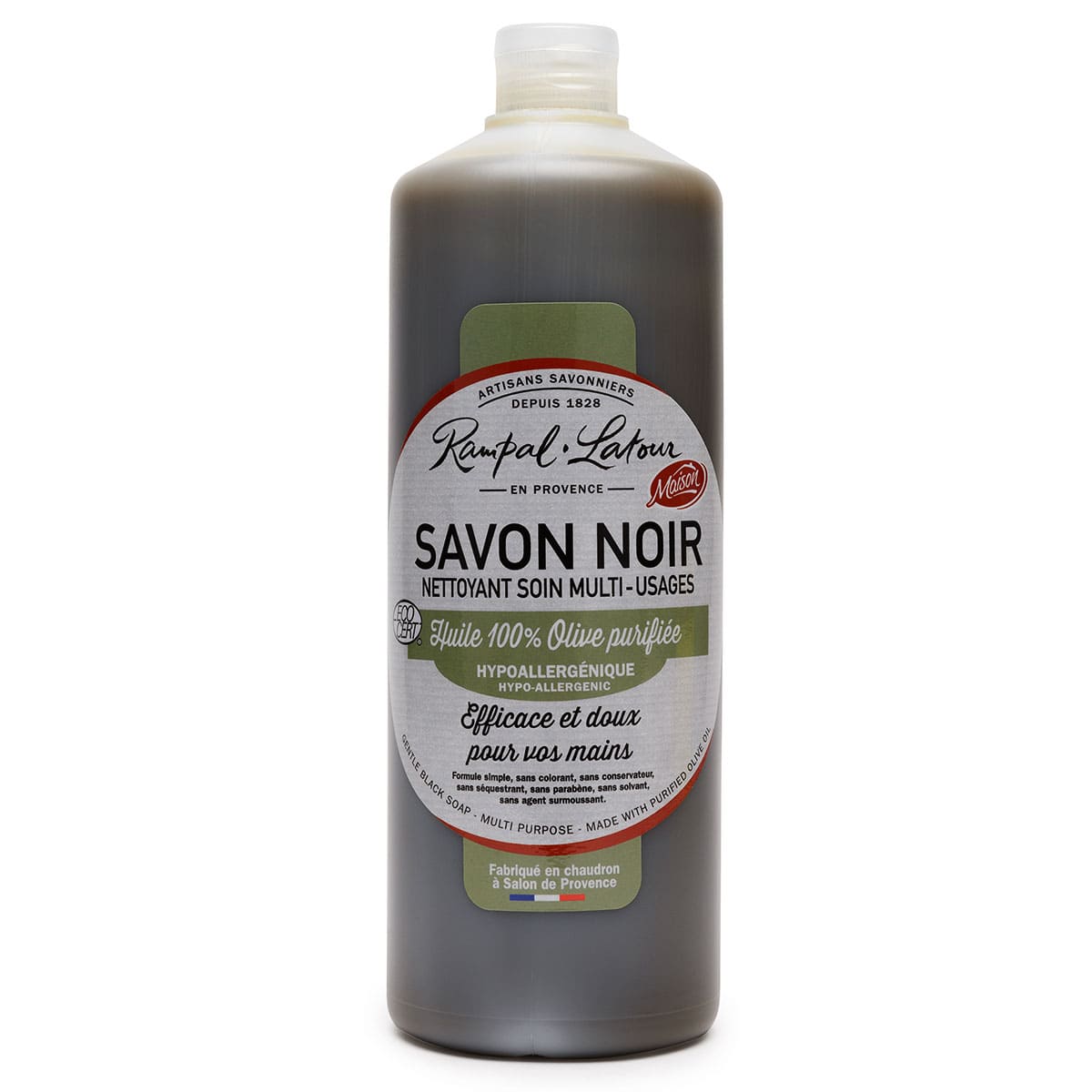
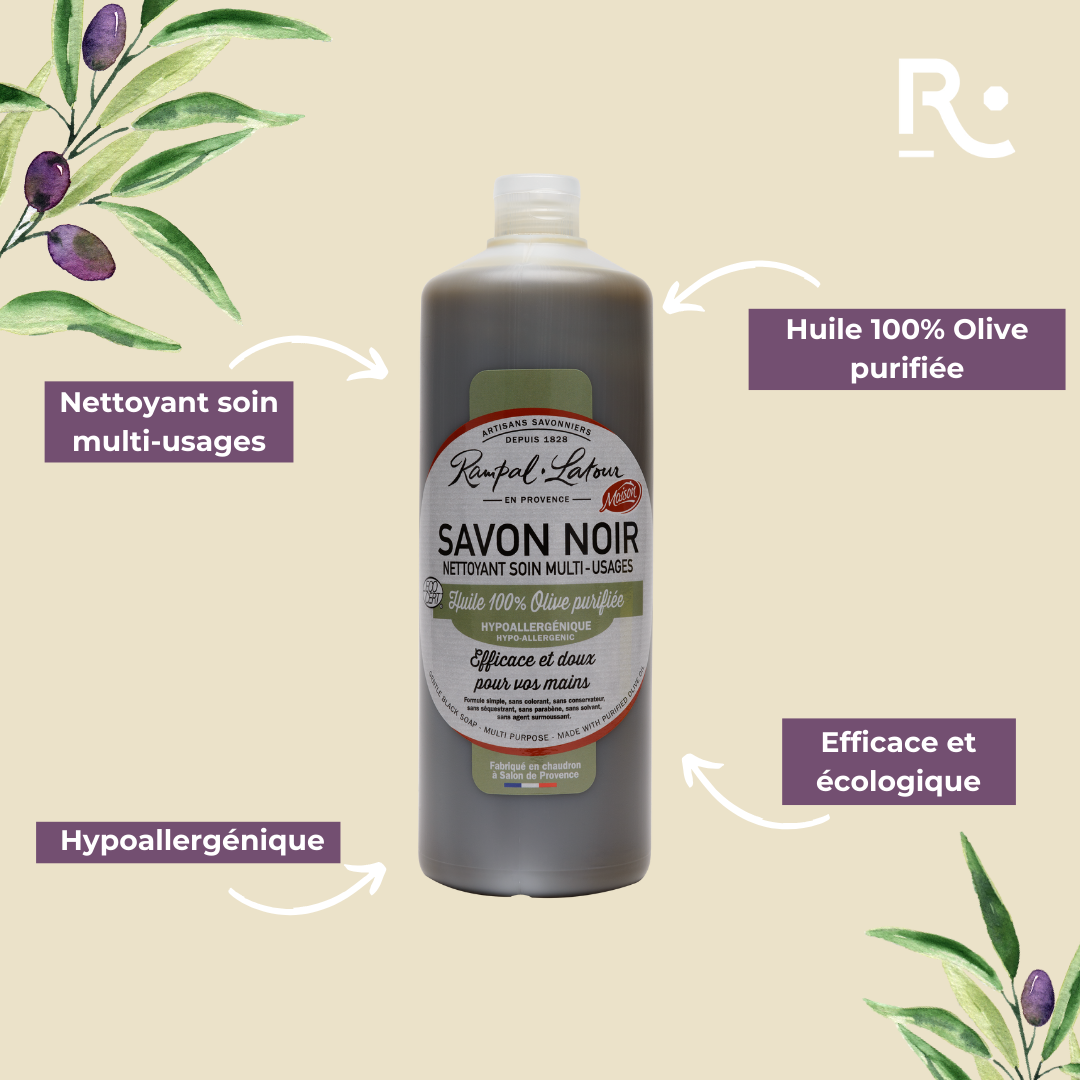
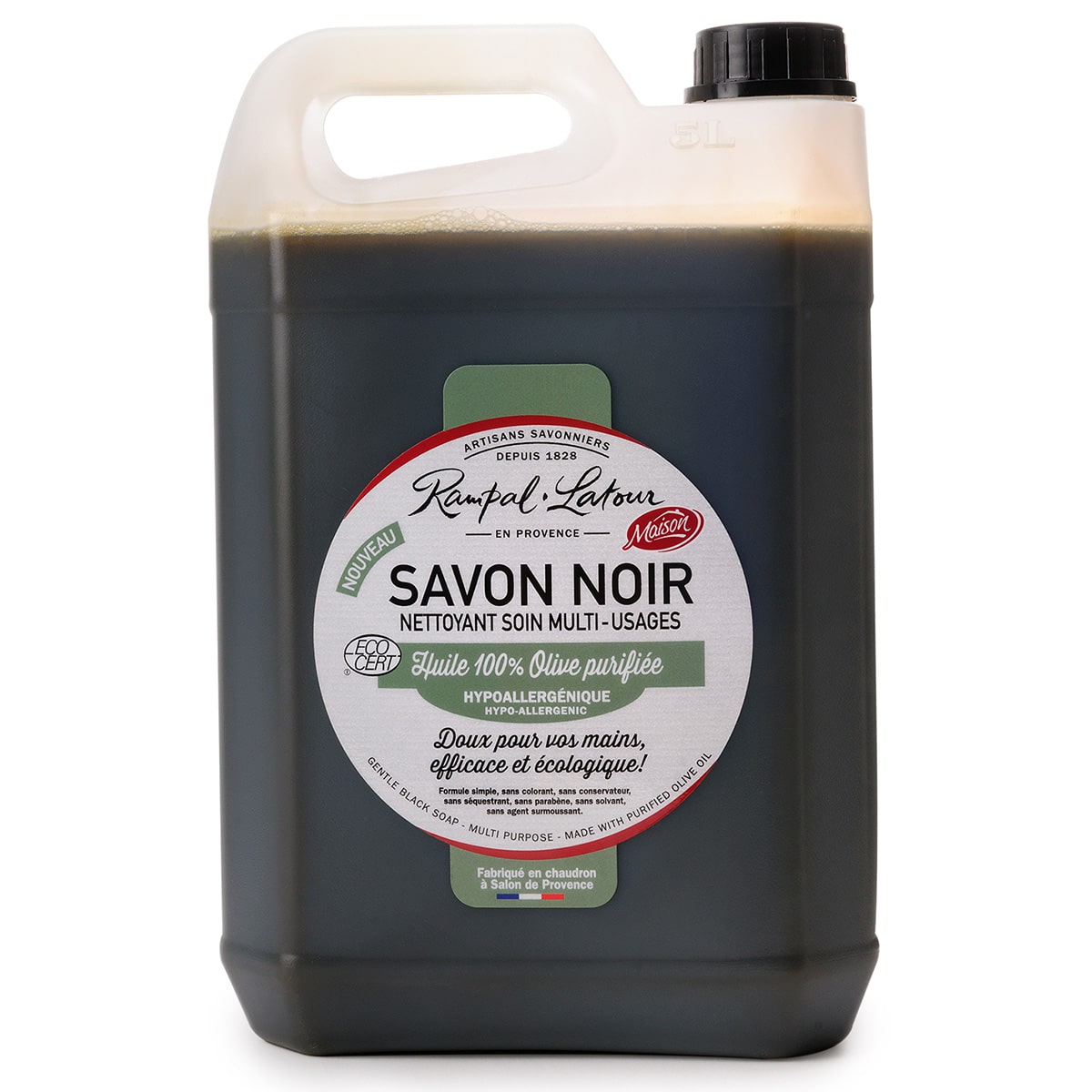
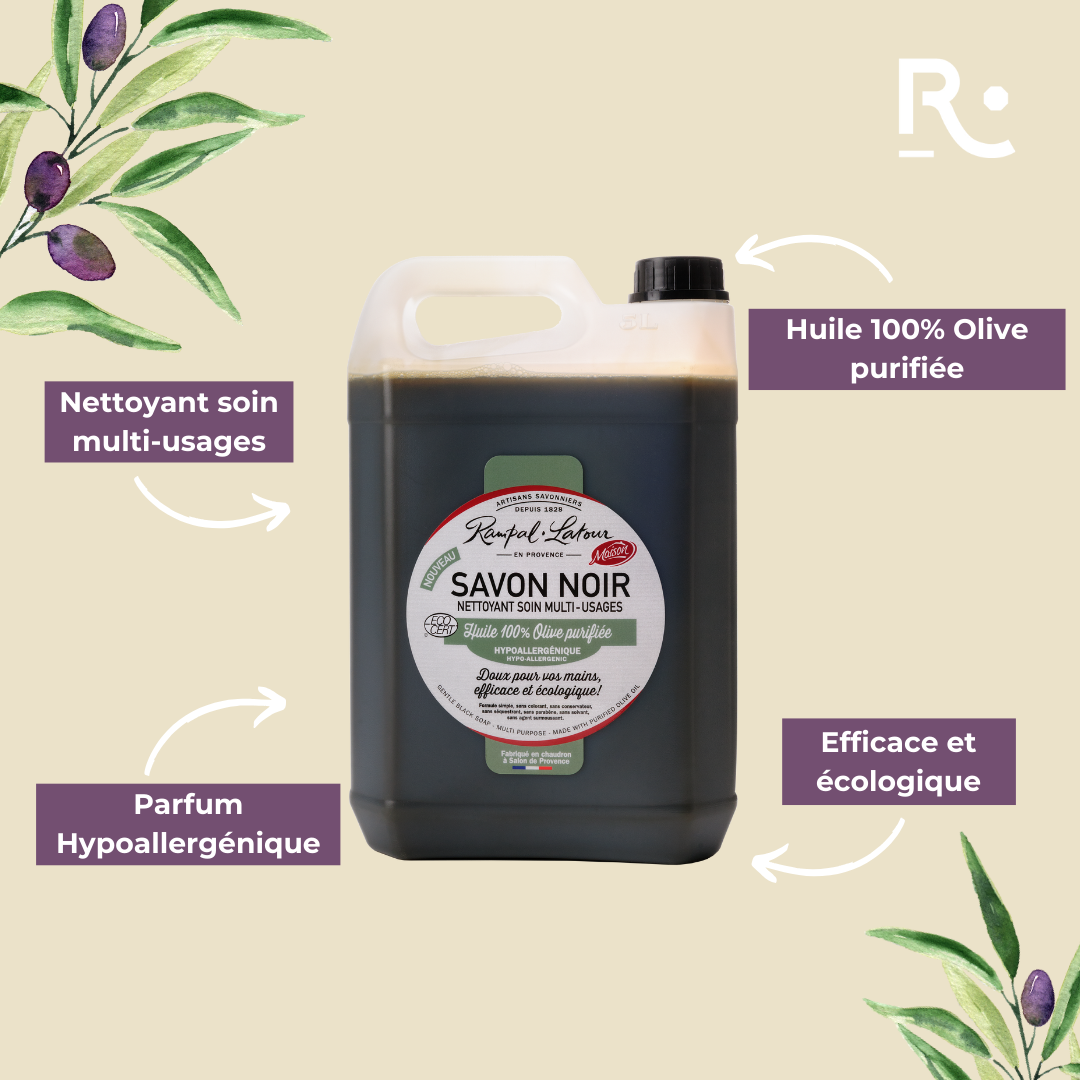
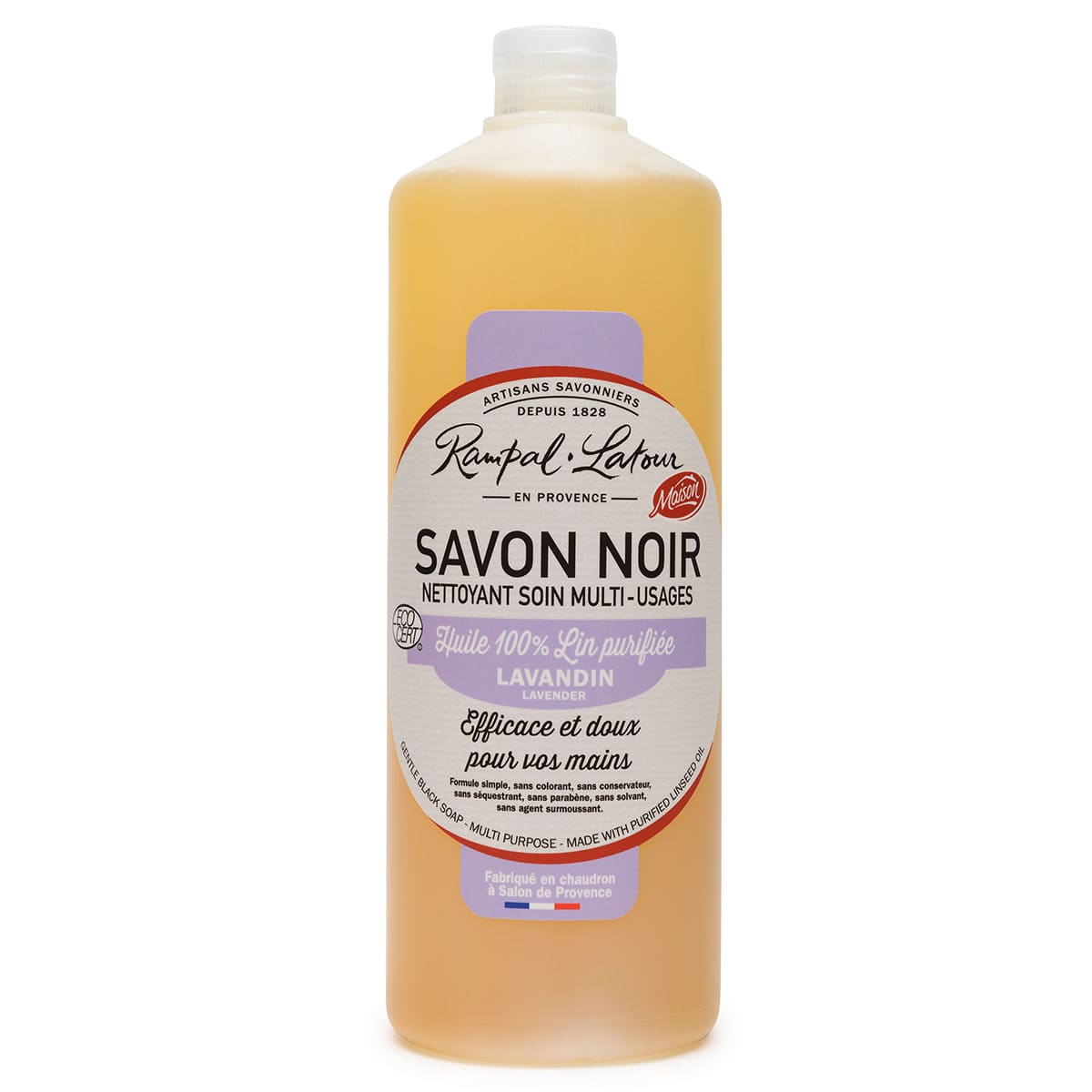
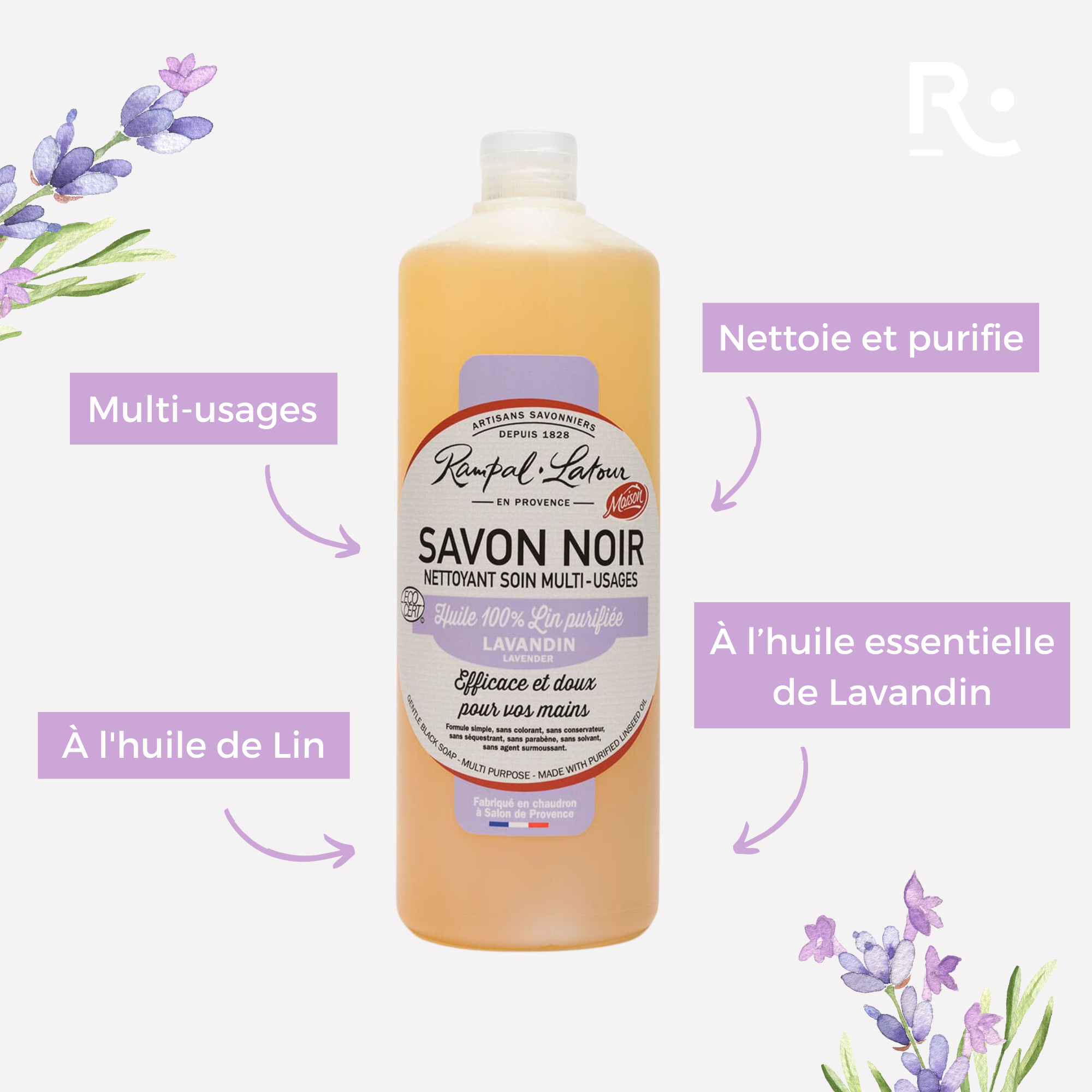
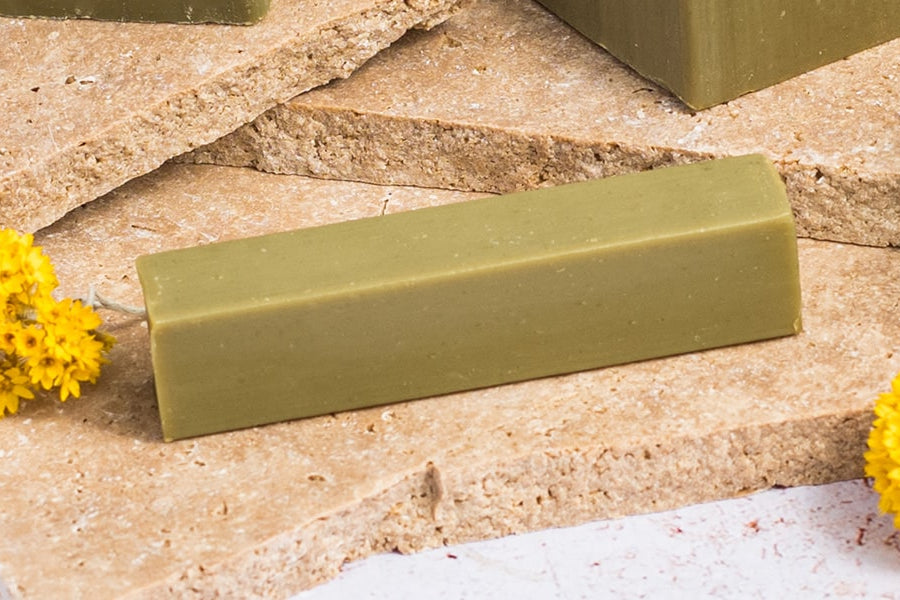
Black soap is an age-old product of plant origin. Generally composed of potash, olive oil or linseed oil, this 100% natural product owes its name to its brown color which sometimes tends towards black.
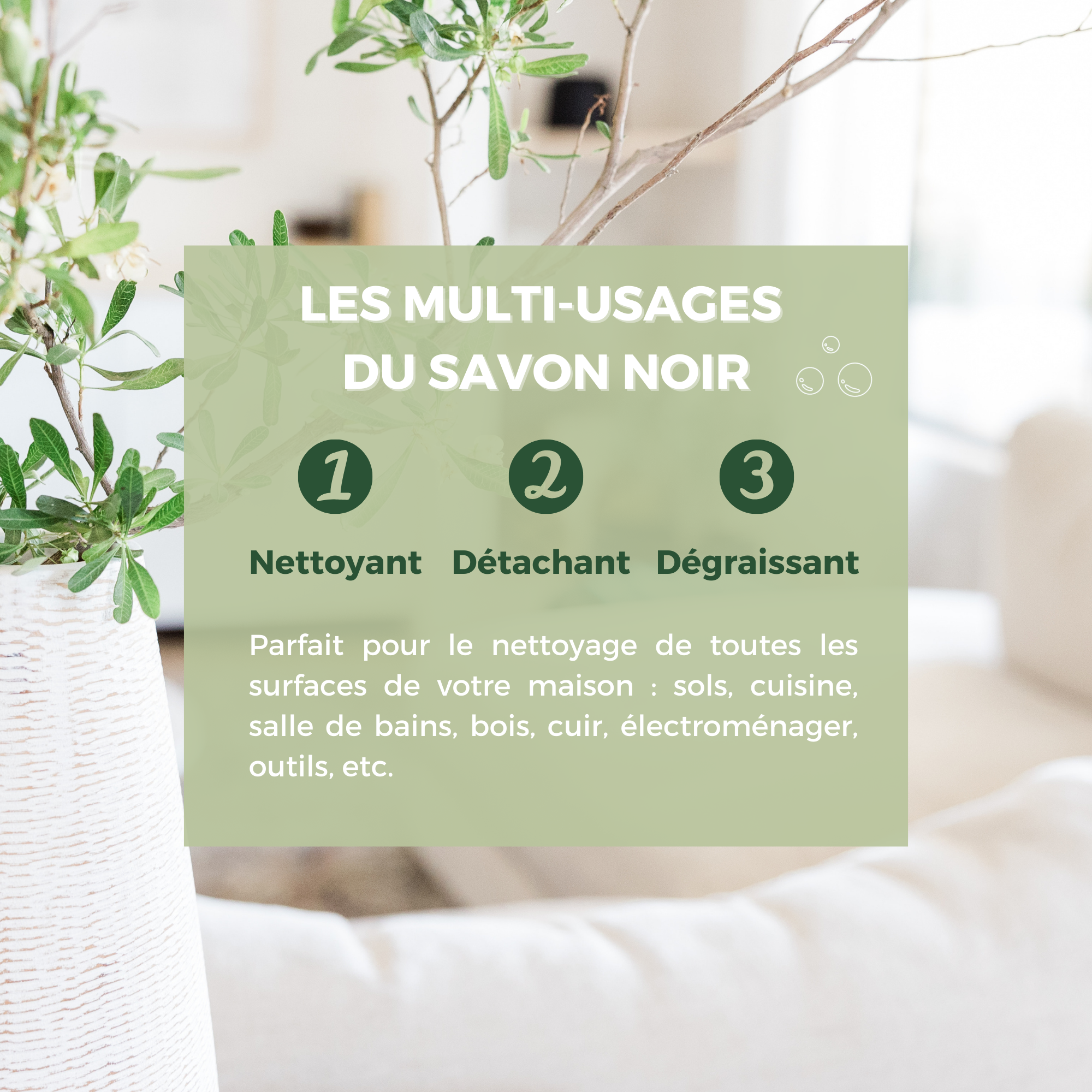
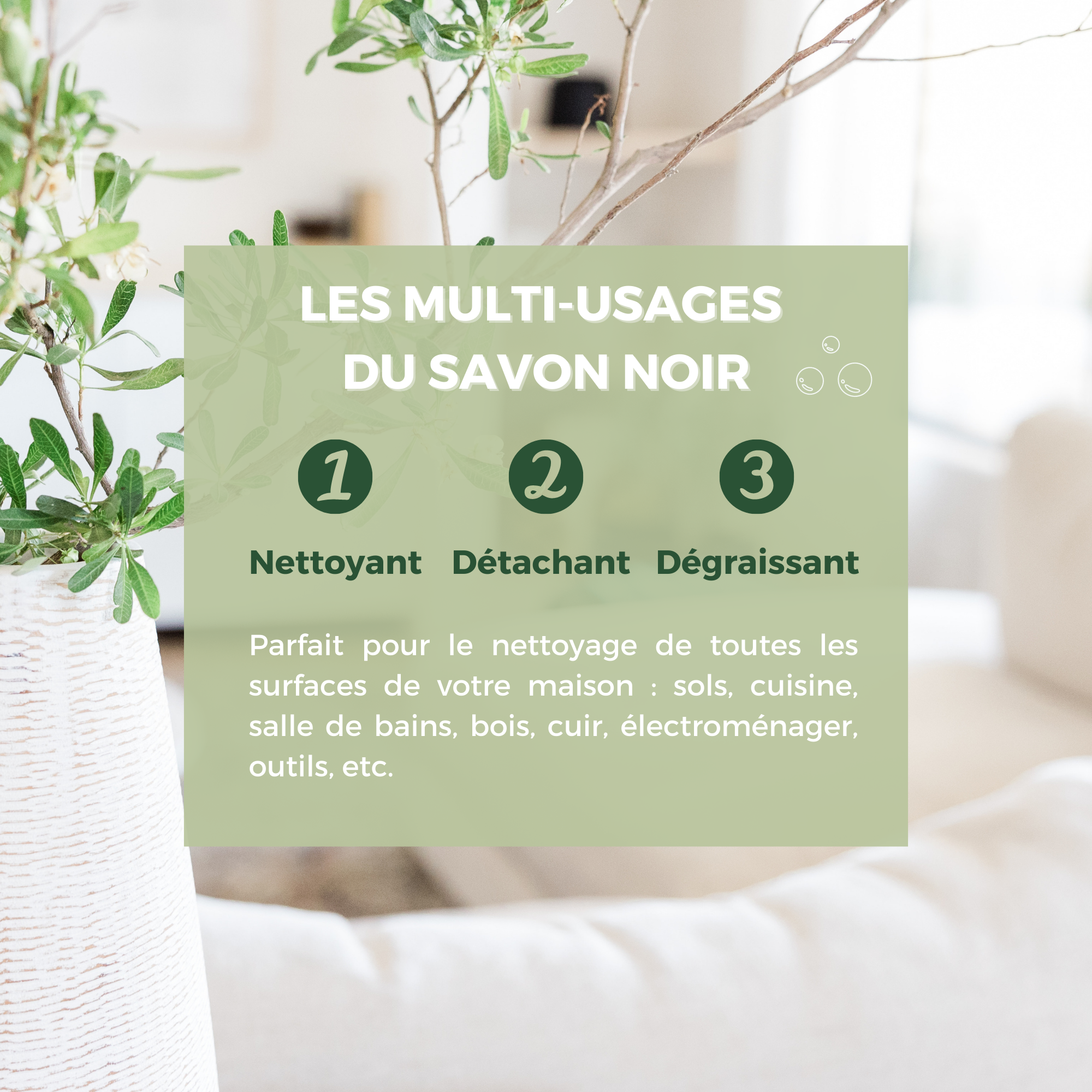
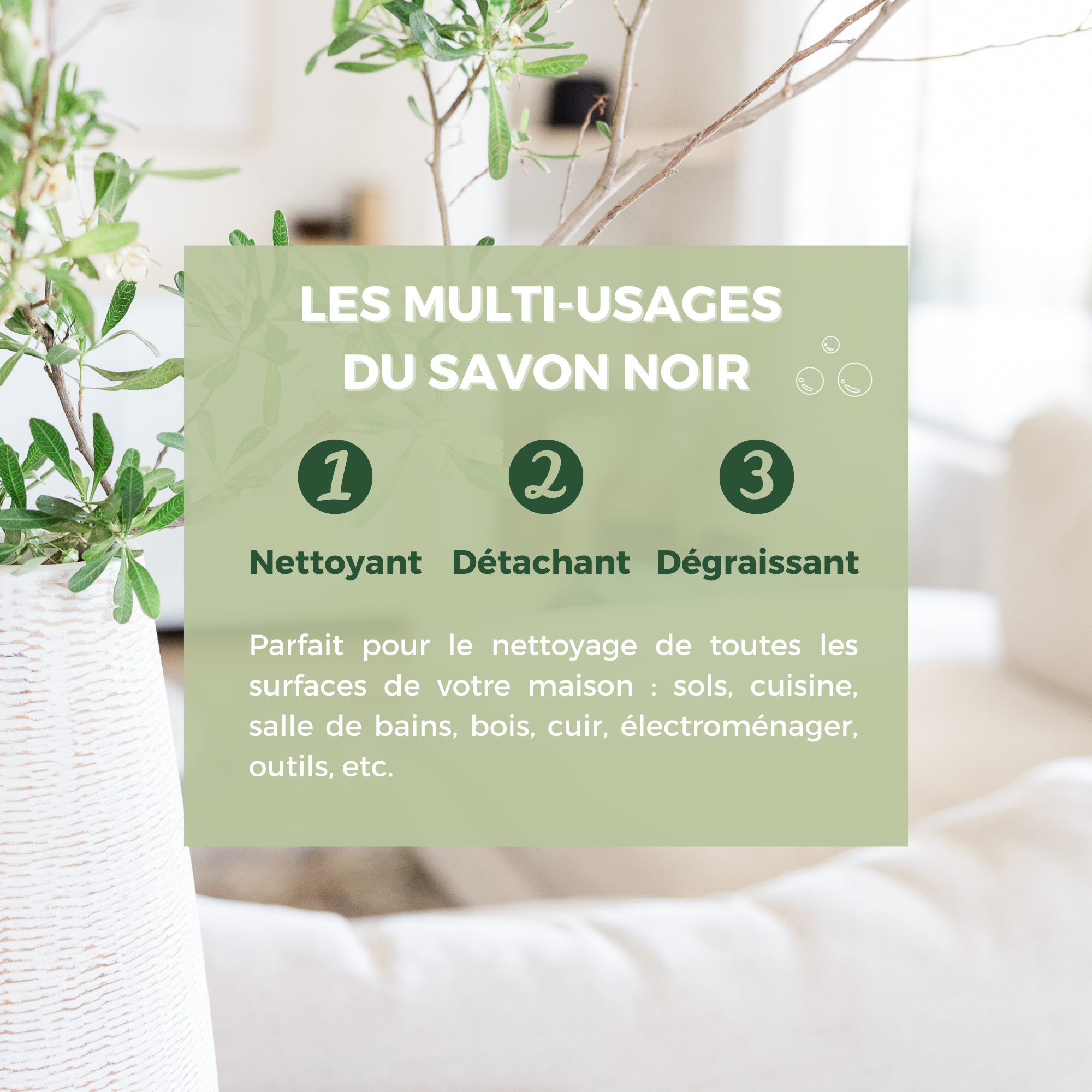
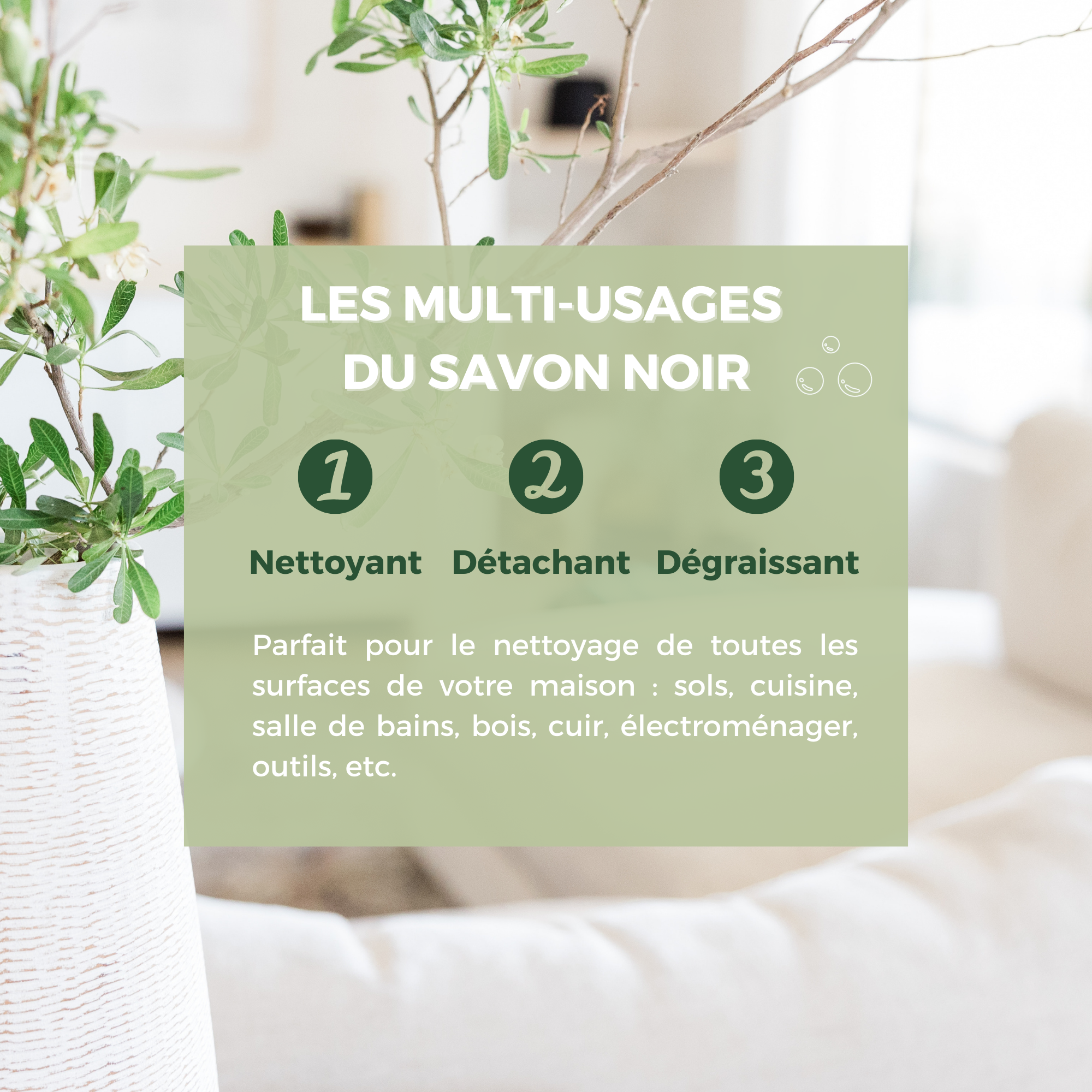
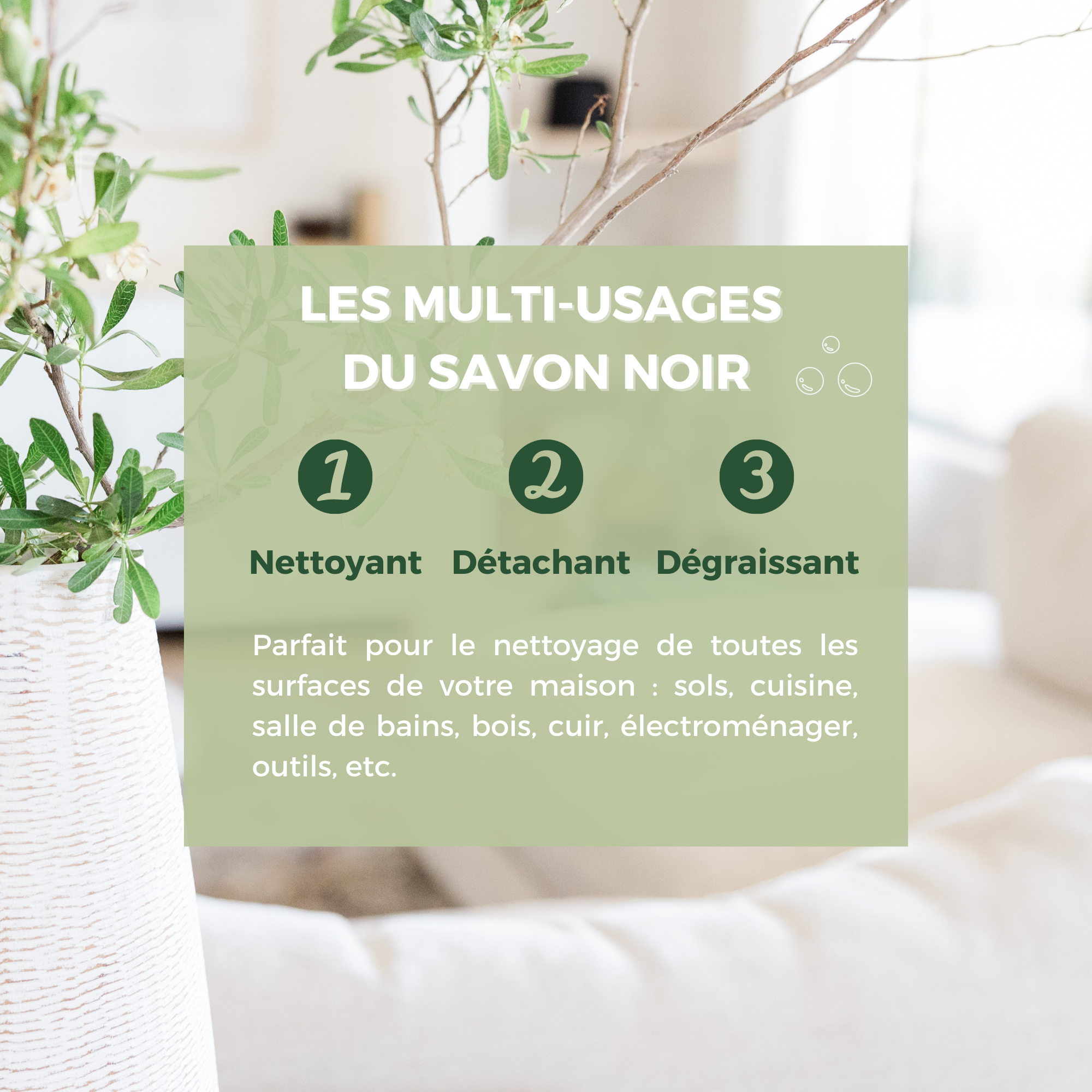
Known for its cleaning properties, it is an excellent household product. Its nourishing and cleaning properties are ideal for washing many surfaces: floors, marble, slate, terracotta tiles, ceramics, PVC, etc. As a plant-based and biodegradable product, black soap is therefore a perfect alternative to chemical products.
When used as a cleaner, black soap degreases, removes dirt and stubborn stains from all types of surfaces. Outdoors, unlike harsh cleaning products, its vegetable oil-based composition allows it to treat plants and shrubs without causing harm to the environment or biodiversity.
As a garden care product, black soap is an excellent contact insecticide . Effective and natural, it acts as a repellent against many pests. Ants, scale insects, palm weevils, spider mites: it helps you control numerous insect infestations. Among these pests, black soap is particularly effective against one: the aphid.
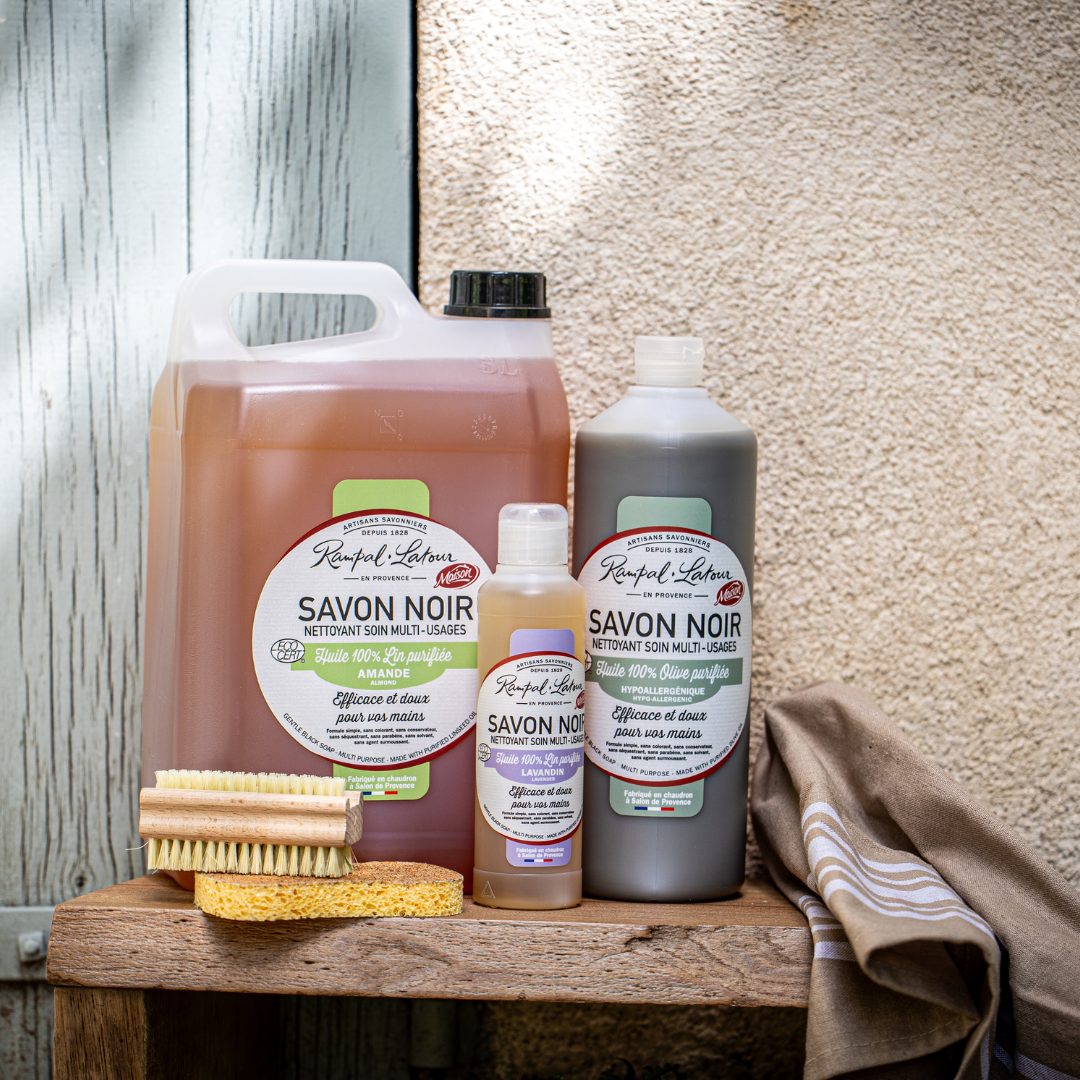
Discover our range of black soaps .
Aphids: why do you need to get rid of them?
Aphids, common in gardens, are harmful insects that feed on plant sap. Their feeding has a direct impact on plants, causing stunted growth or yellowing leaves. Aphids also secrete honeydew, a sticky substance that promotes the growth of black fungi on affected plants. In the event of an aphid infestation, plants are likely to become deformed: their leaves curl and their fruit production is reduced.
Aphids pose a real threat to green spaces, especially due to their exceptionally rapid reproduction rate. Highly prolific, aphids spread quickly throughout gardens and green areas, eventually infesting them completely. Therefore, it is essential to take preventative measures against these pests as soon as they appear.
Black soap as an aphid repellent: an effective and natural solution
More than just a natural household product, black soap is a biodegradable product that offers an ideal solution against aphids. It acts as a contact insecticide. Once sprayed on plants infested with aphids, it disrupts their cuticle, causing them to suffocate or dry out. An insecticidal solution based on black soap is therefore a natural and effective way to get rid of these pests. Furthermore, this natural insecticide has no negative impact on biodiversity or the environment. The product specifically targets harmful insects, without affecting beneficial predators, pollinating insects, or other non-target natural organisms.
Unlike harsher products, black soap is a biodegradable solution. Therefore, it does not leave any toxic residues in the environment. In addition to providing a long-lasting solution to insect and aphid infestations, it protects plant health and helps preserve their ecosystem.
Our advice on treating aphids with black soap
To treat plants infested with aphids using black soap , simply spray the solution on all affected parts of the plant. Spray generously, paying particular attention to areas where the aphids are most numerous and active. Ensure the entire plant is covered, especially the undersides of the leaves, where aphids often hide. This treatment can be repeated for two weeks, or as long as necessary, until the aphids are gone.
It's best to spray an aphid control solution based on black soap when temperatures are mild. Therefore, spraying early in the morning or late in the afternoon will maximize the effectiveness of your aphid treatment. It's also recommended to spray after rain to maintain the treatment's effectiveness. Conversely, avoid spraying plants in hot, sunny weather, as this could cause leaf burn.
Black soap and aphids: the recommended dosage
Your black soap-based insecticide must adhere to specific dosages to be effective and avoid damaging your plants. Generally, a 5% dilution is recommended. This corresponds to 50 ml of black soap per 1 liter of water.
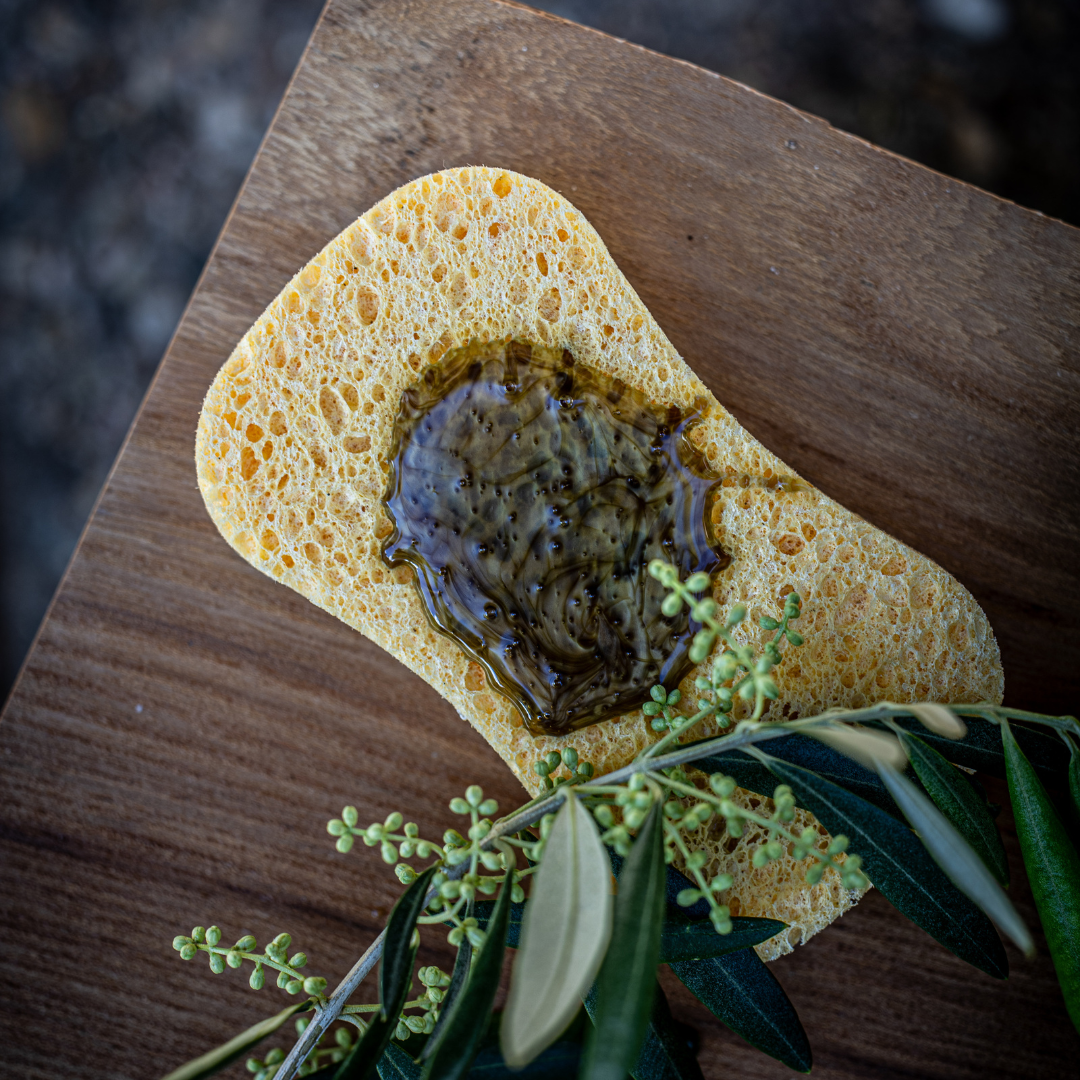
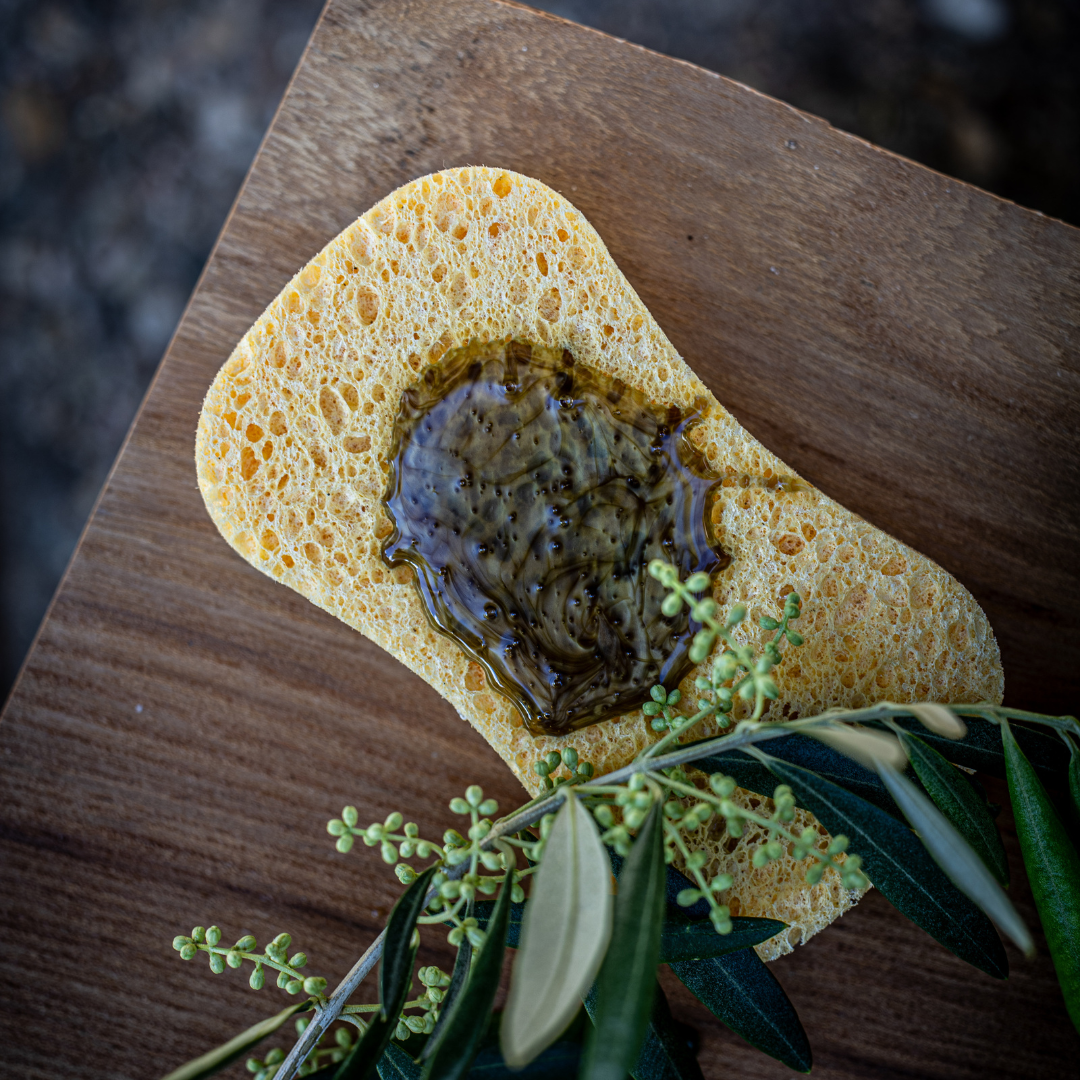
If you wish to clean sooty mold or honeydew from your plants, dilute 1 tablespoon of liquid black soap in 1.5 liters of very hot water. Then let the solution cool and use a sponge to clean the affected leaves.
The dilution of your aphid treatment will depend on the type of plant affected. For sensitive plants, opt for a lower dilution, between 0.5 and 1% black soap in the sprayer. For plants known to be more robust, 2 to 5% black soap may be suitable. However, be sure to start with a lower concentration, which you can increase later.