


For anyone turning to more eco-friendly body care and cleaning products, black soap and Marseille soap are essential staples to have in your cupboards. They're the stars of DIY and can replace almost any commercial product. And for good reason: their uses are numerous and their benefits never cease to impress. Yet, while their names are widely recognized, distinguishing between them isn't always immediately obvious.
We're taking a closer look at these two complementary brothers so that you can recognize them and use them to their full potential.
Everything you need to know about black soap
Black soap has historically been a renowned body care product used on the face and hair. But did you know it's also a multi-purpose cleaner for the home, garden, and car? Black soap actually has two distinct uses that you should know how to distinguish.
It originated in Morocco more than 2000 years ago. Initially, it was a black paste used for body care in hammams before evolving into a household cleaning product.
Today, both versions of black soap coexist .
- The first type, made from olive oil and black olives macerated in potassium salt, is the successor to the original version. It is a soft paste with a more or less light brown color. This solid version of black soap is still used for cosmetic purposes and can be found under the name "Moroccan black soap."
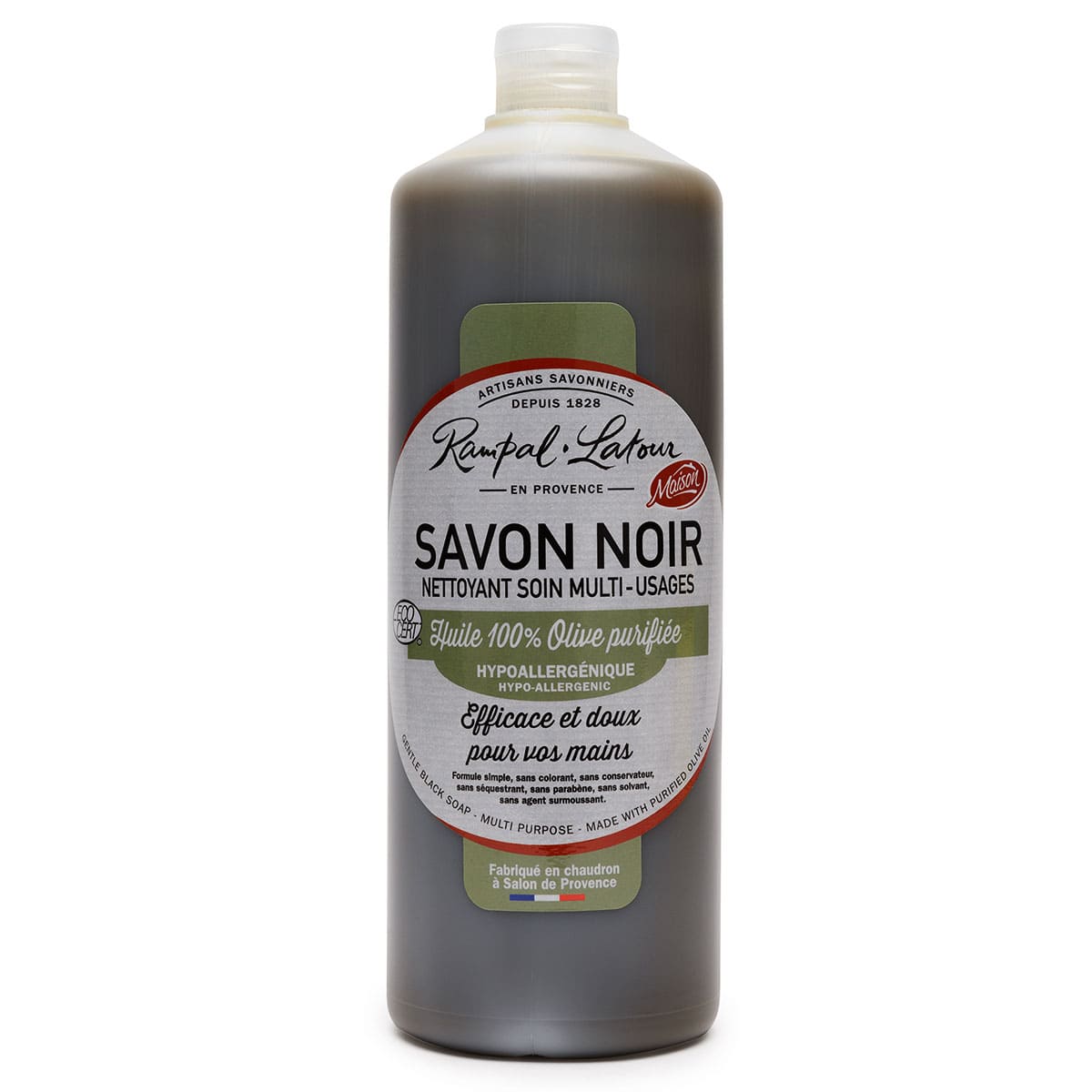
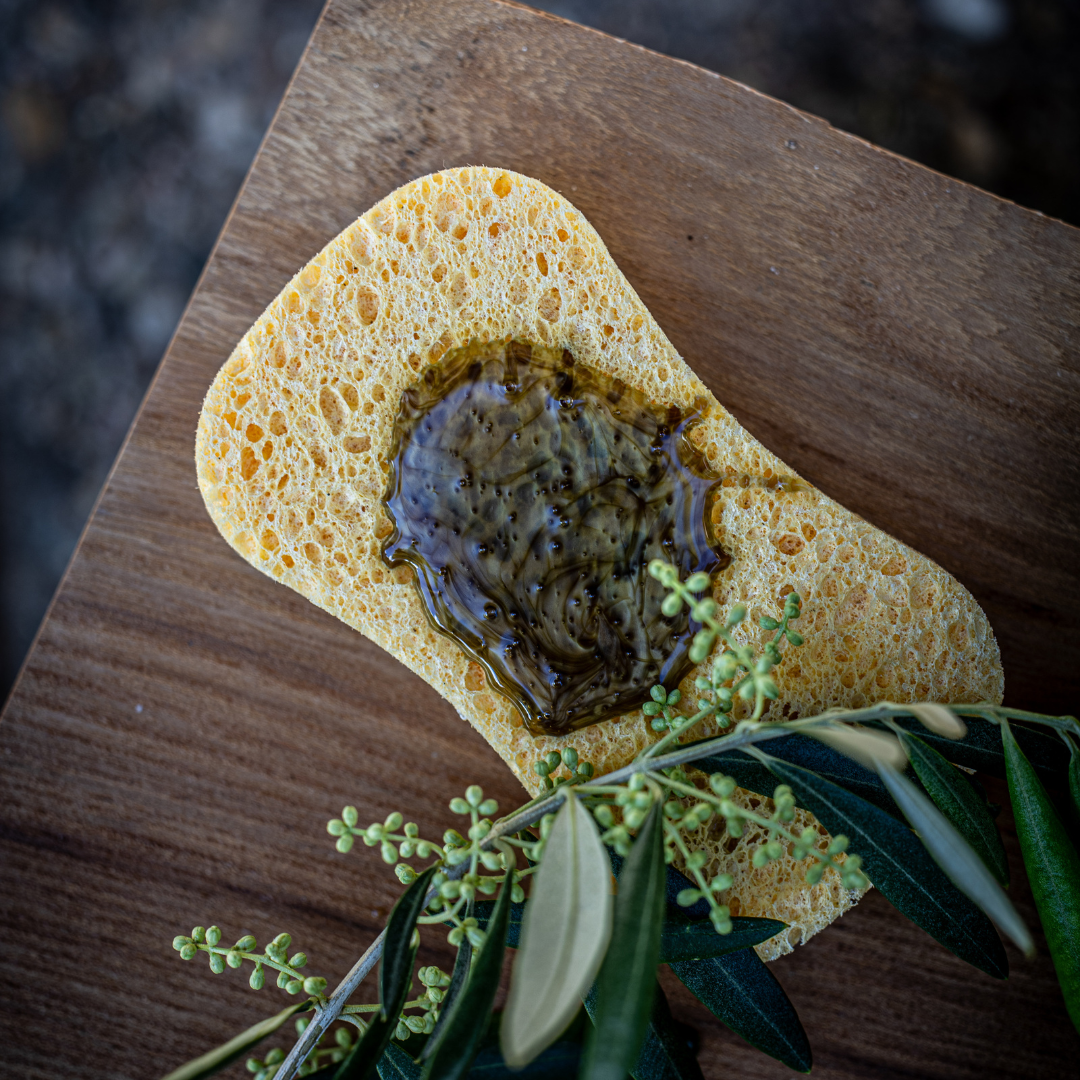
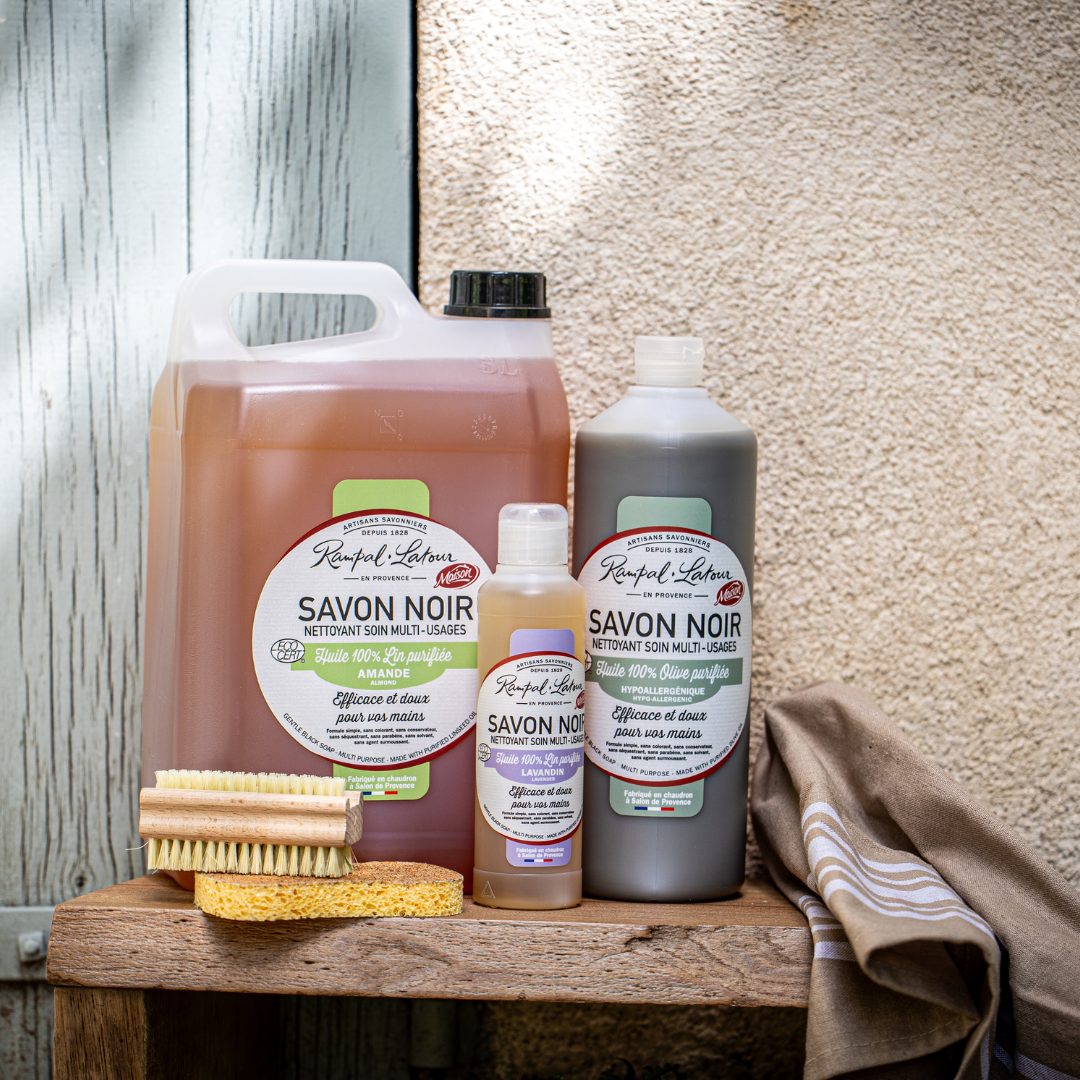
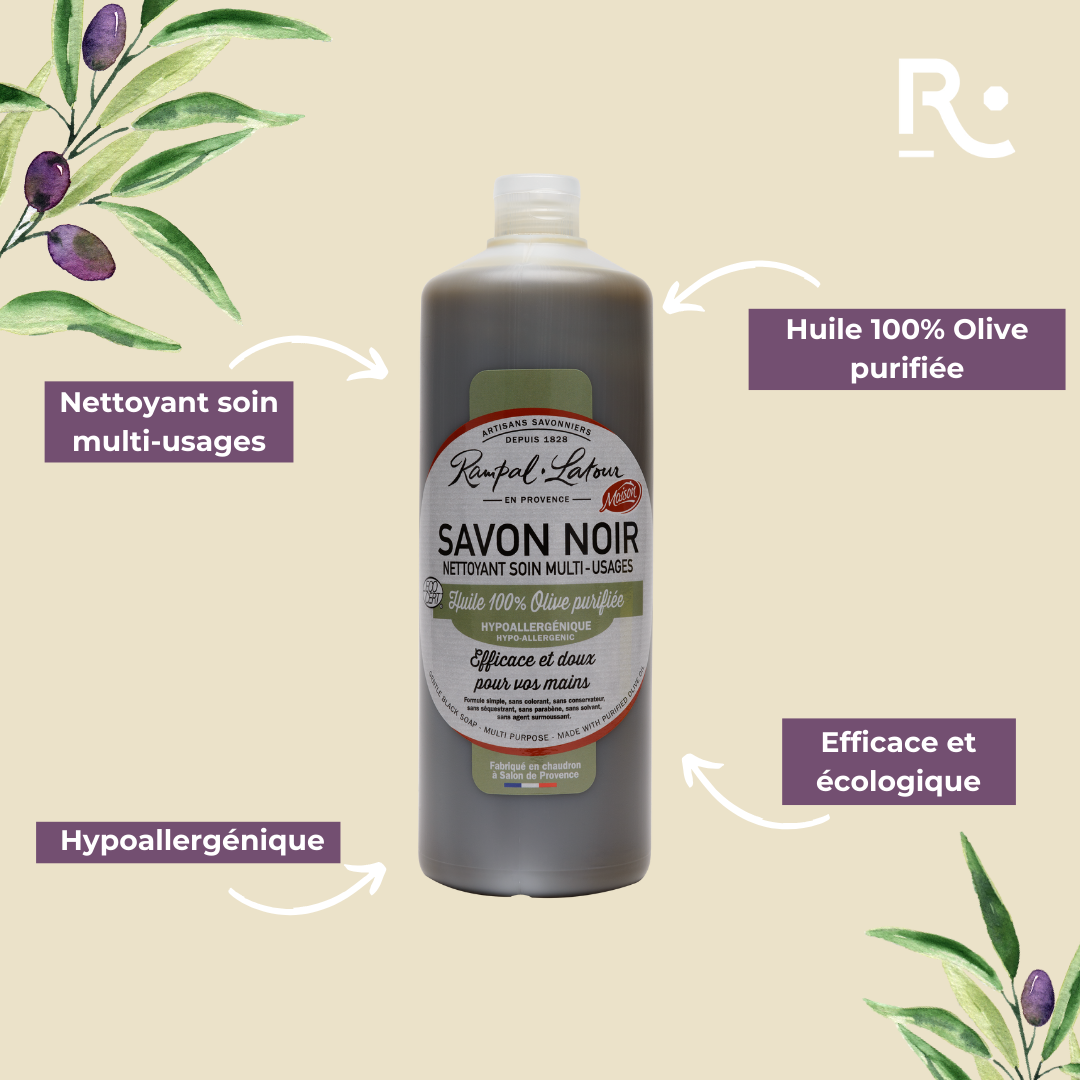
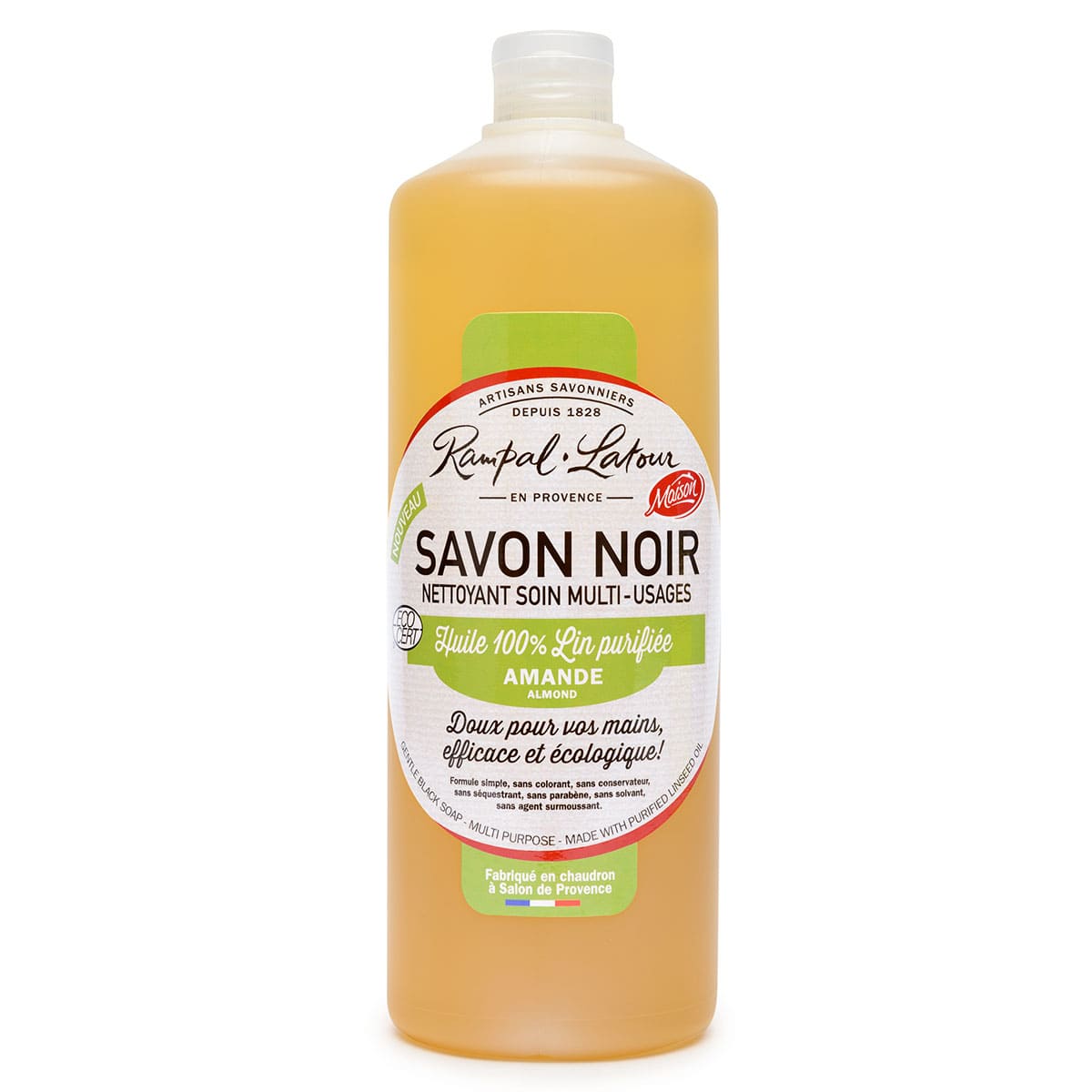
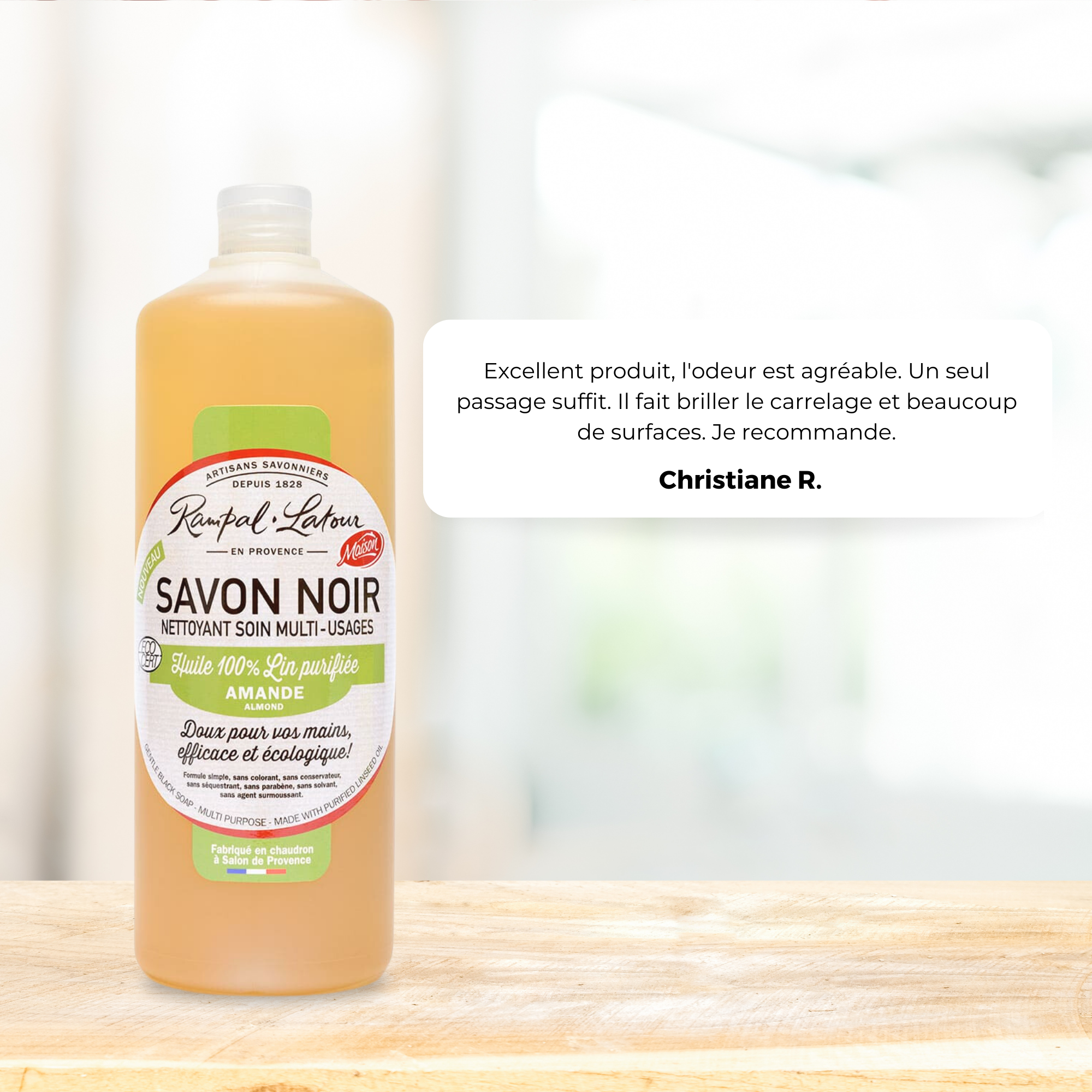
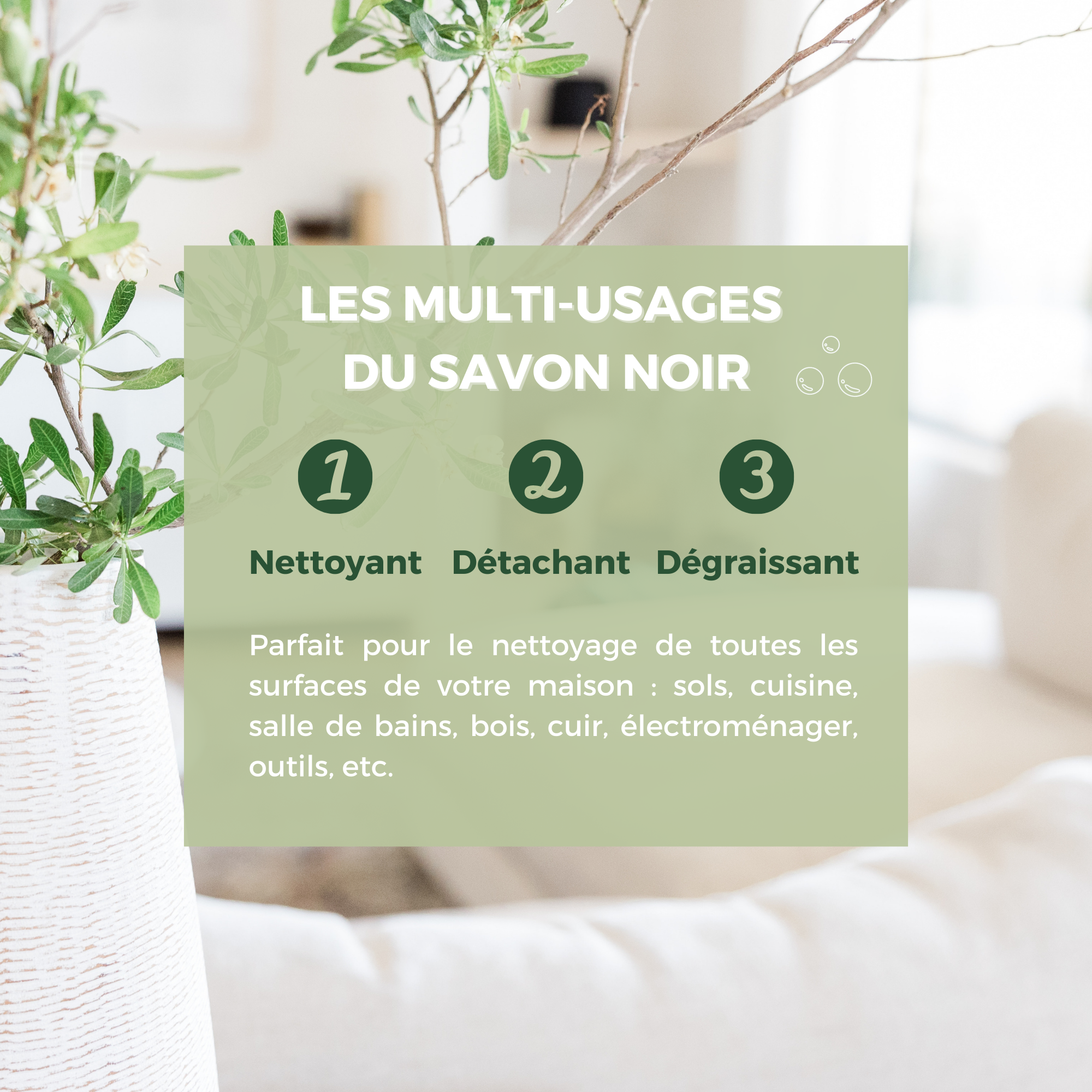
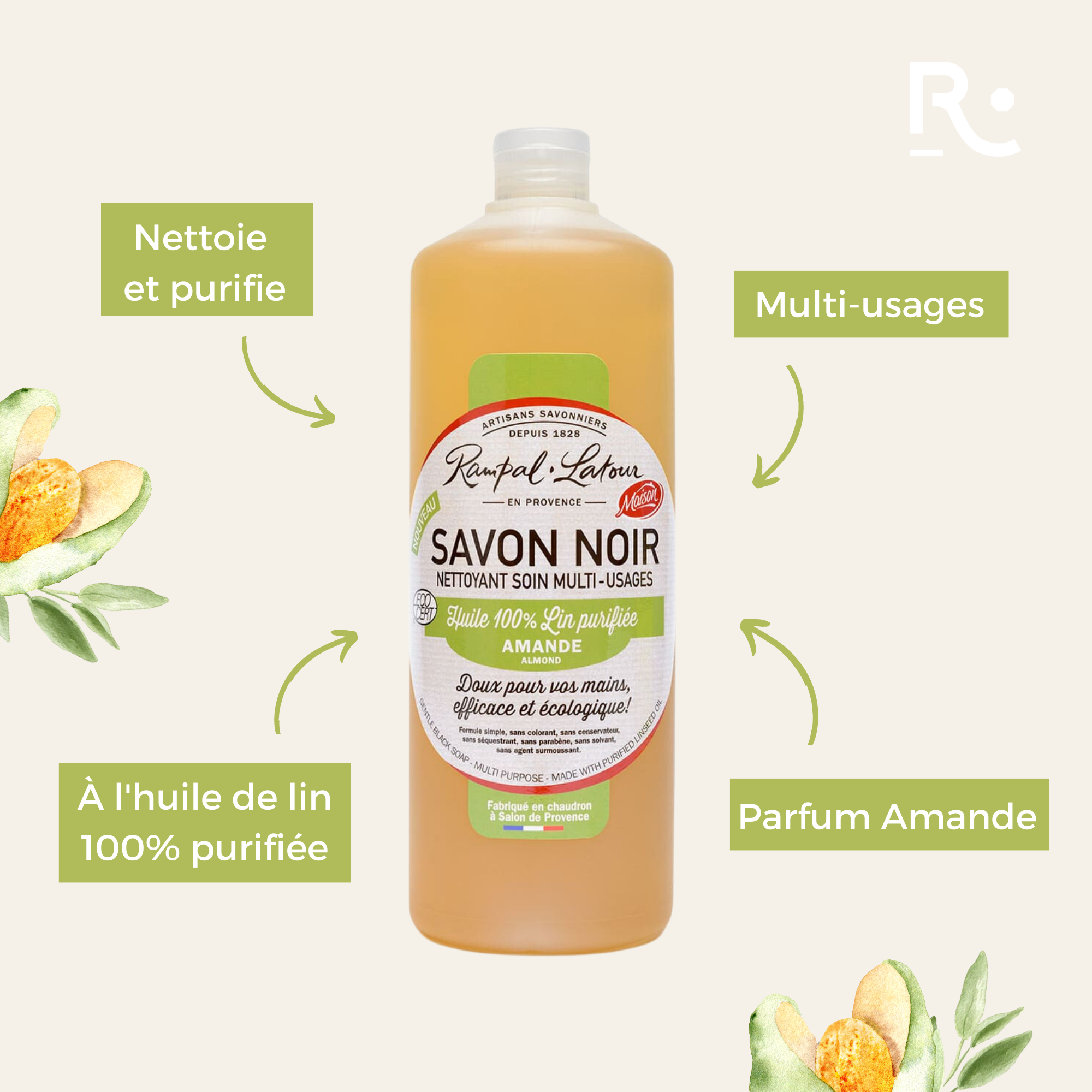
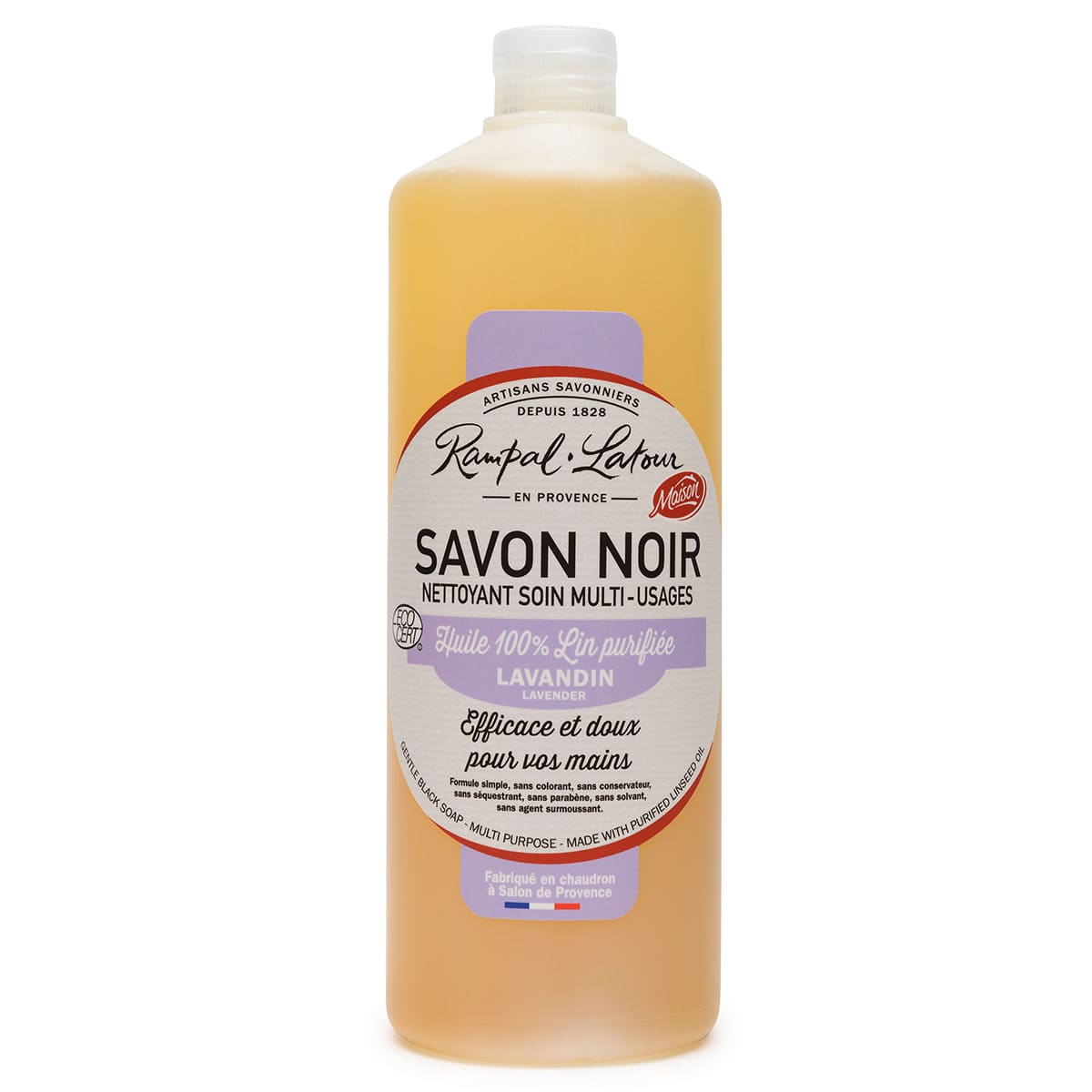
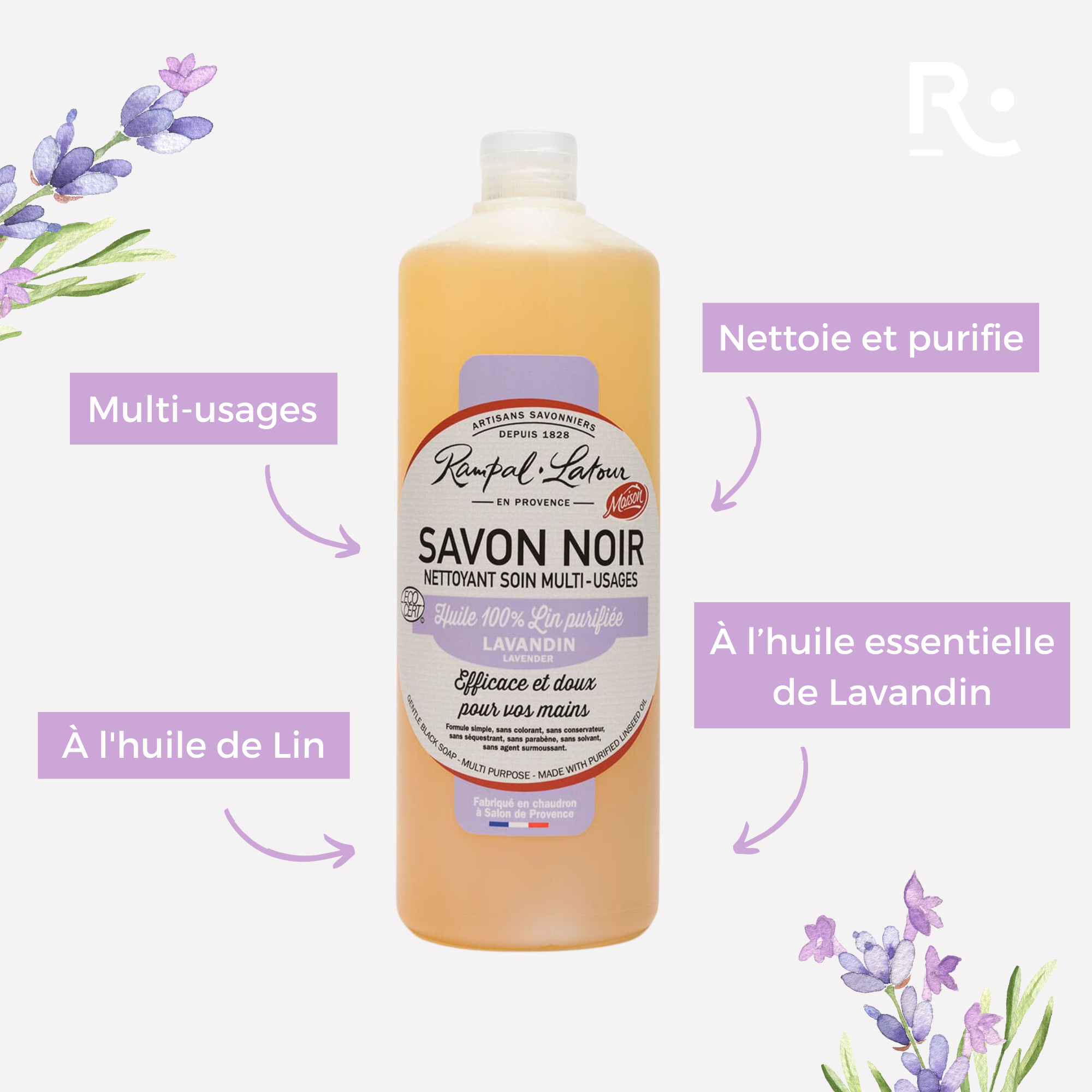
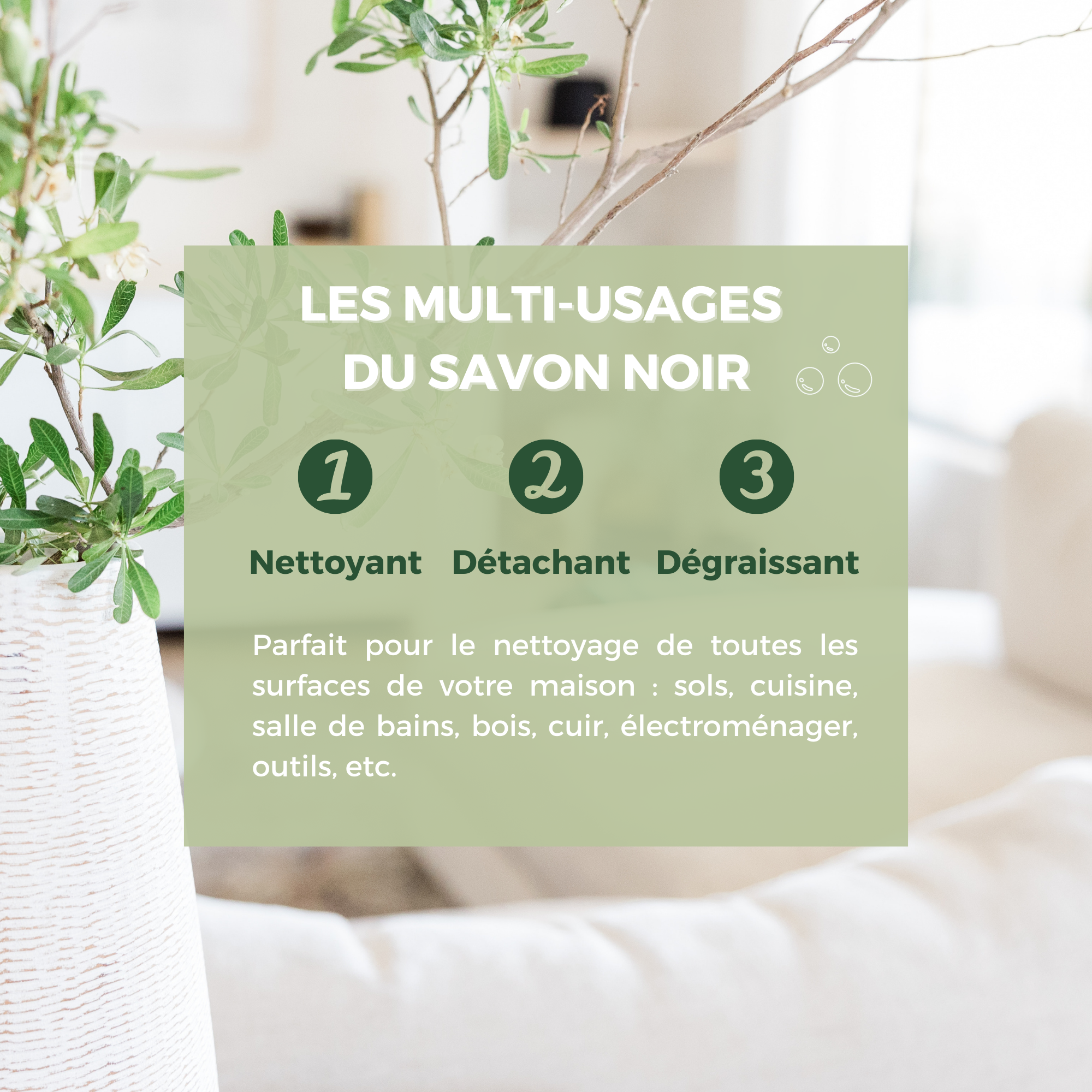
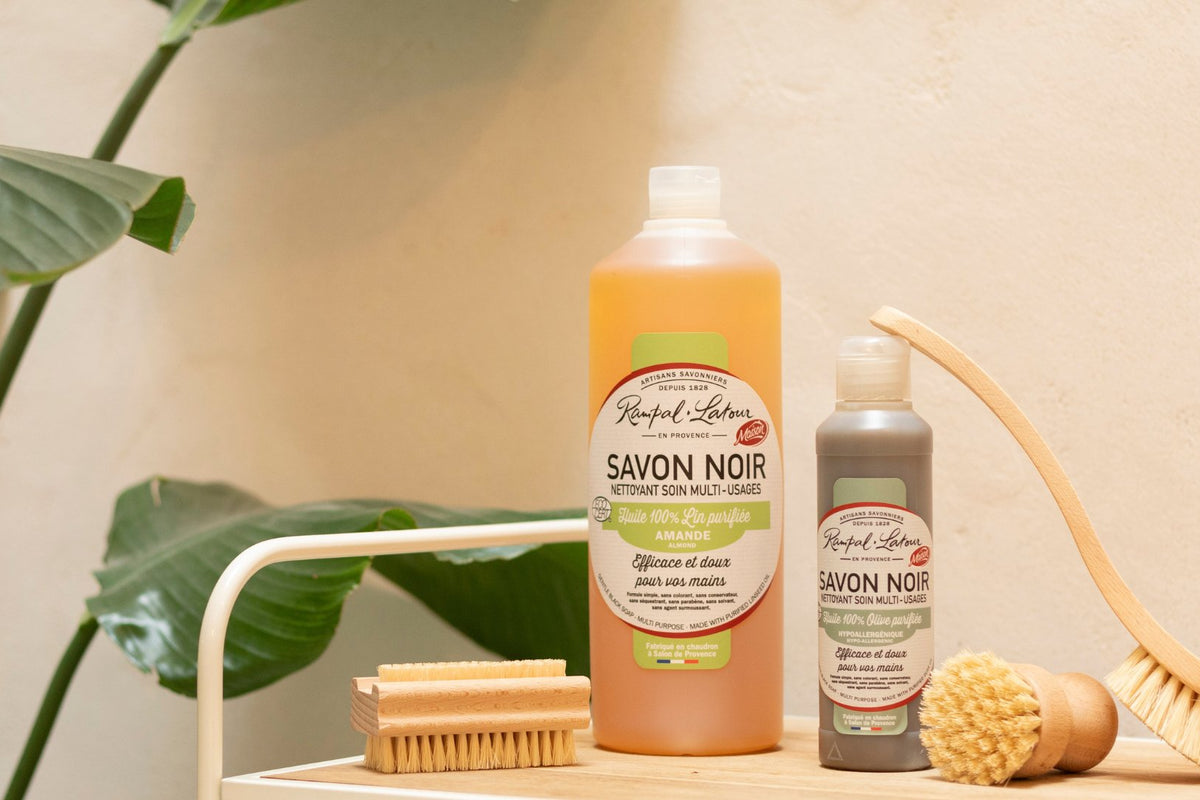
- The second type is made from vegetable oils and potash . It is liquid and ranges in color from yellow to black. This second version of black soap has many uses for cleaning and household maintenance .
The two sides of black soap allow it to cover a wide range of complementary uses.
Everything you need to know about Marseille soap
Marseille soap is an essential part of personal hygiene. It is used for the face, body , hair, and teeth . It is also well-suited for laundry and can be an ingredient in dishwashing liquid.
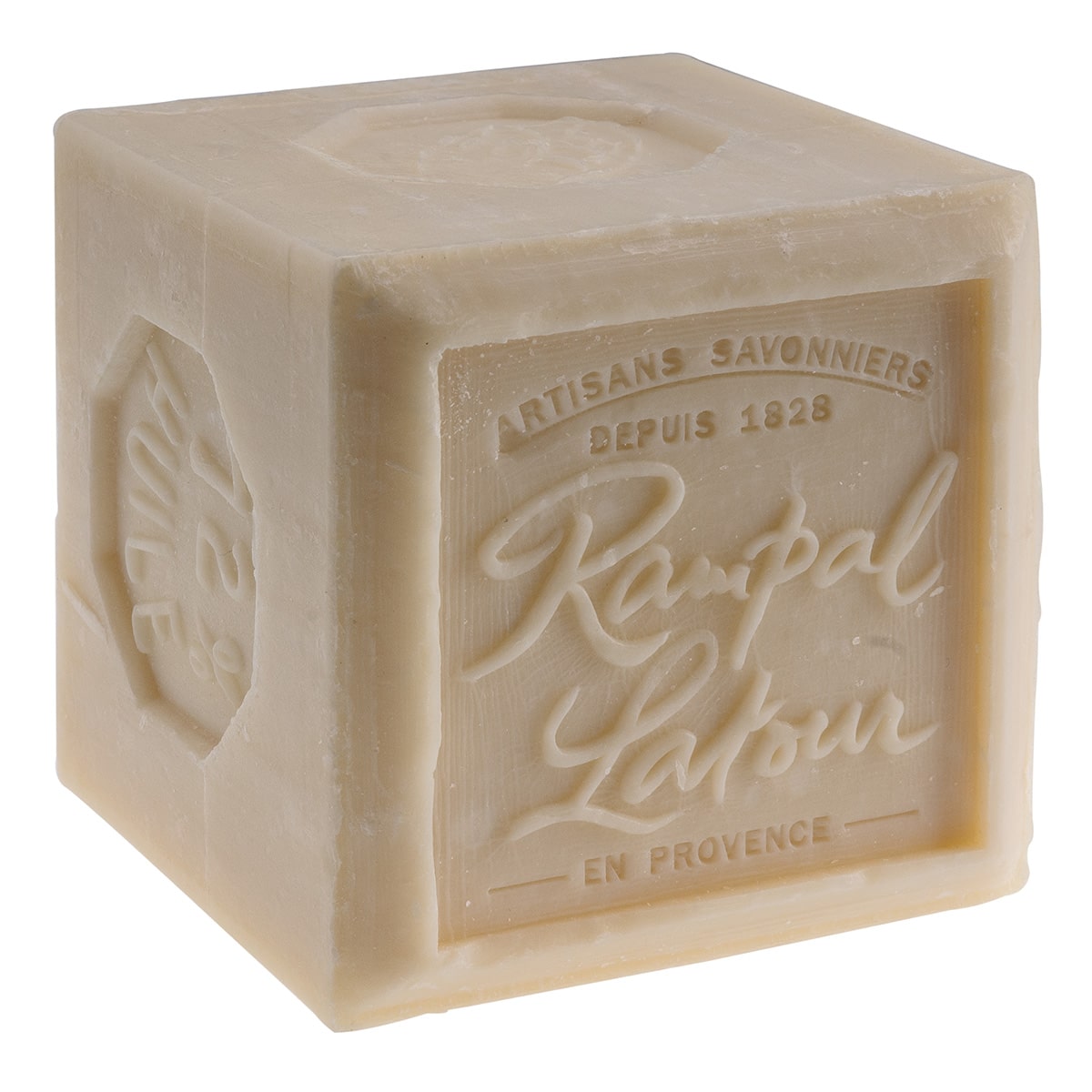
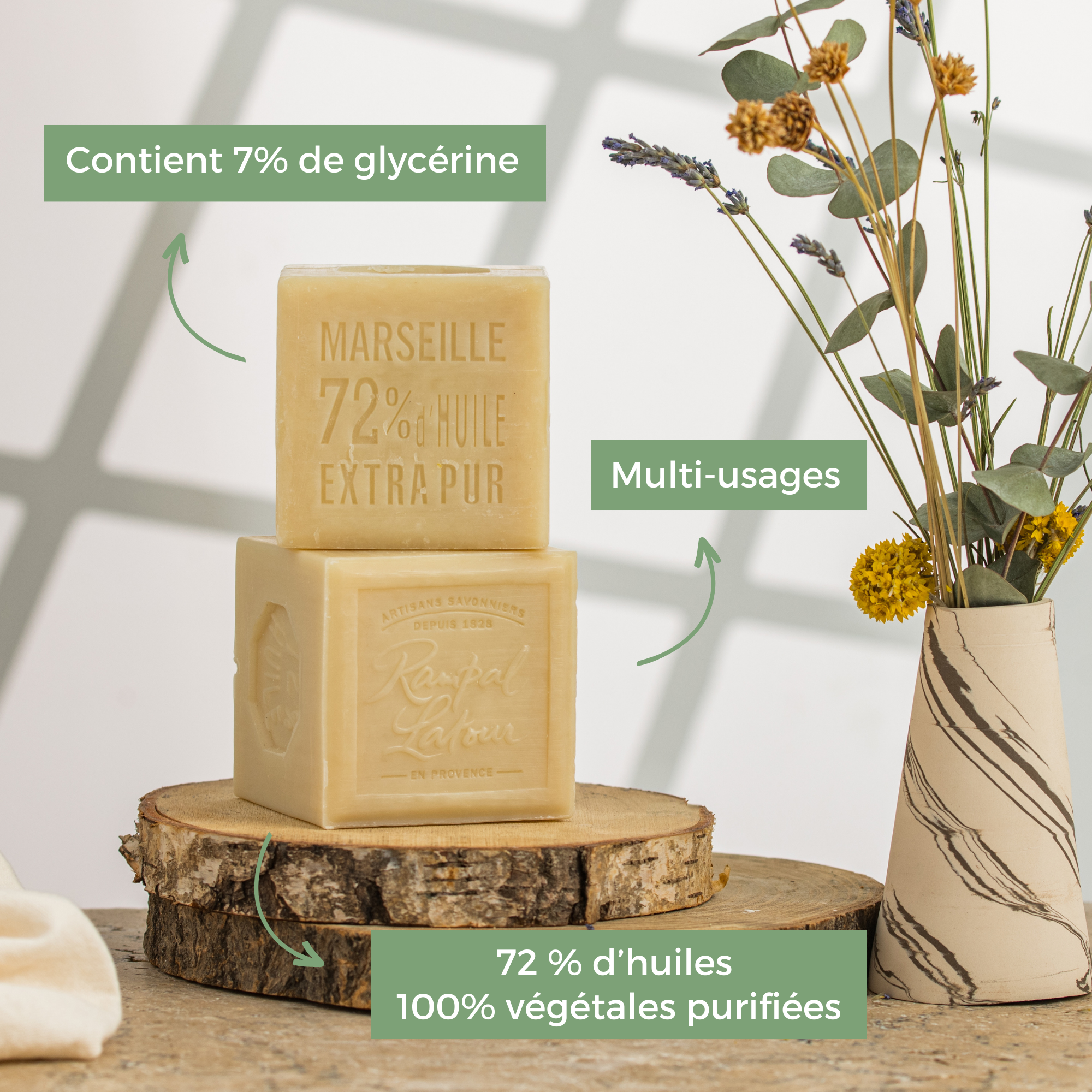
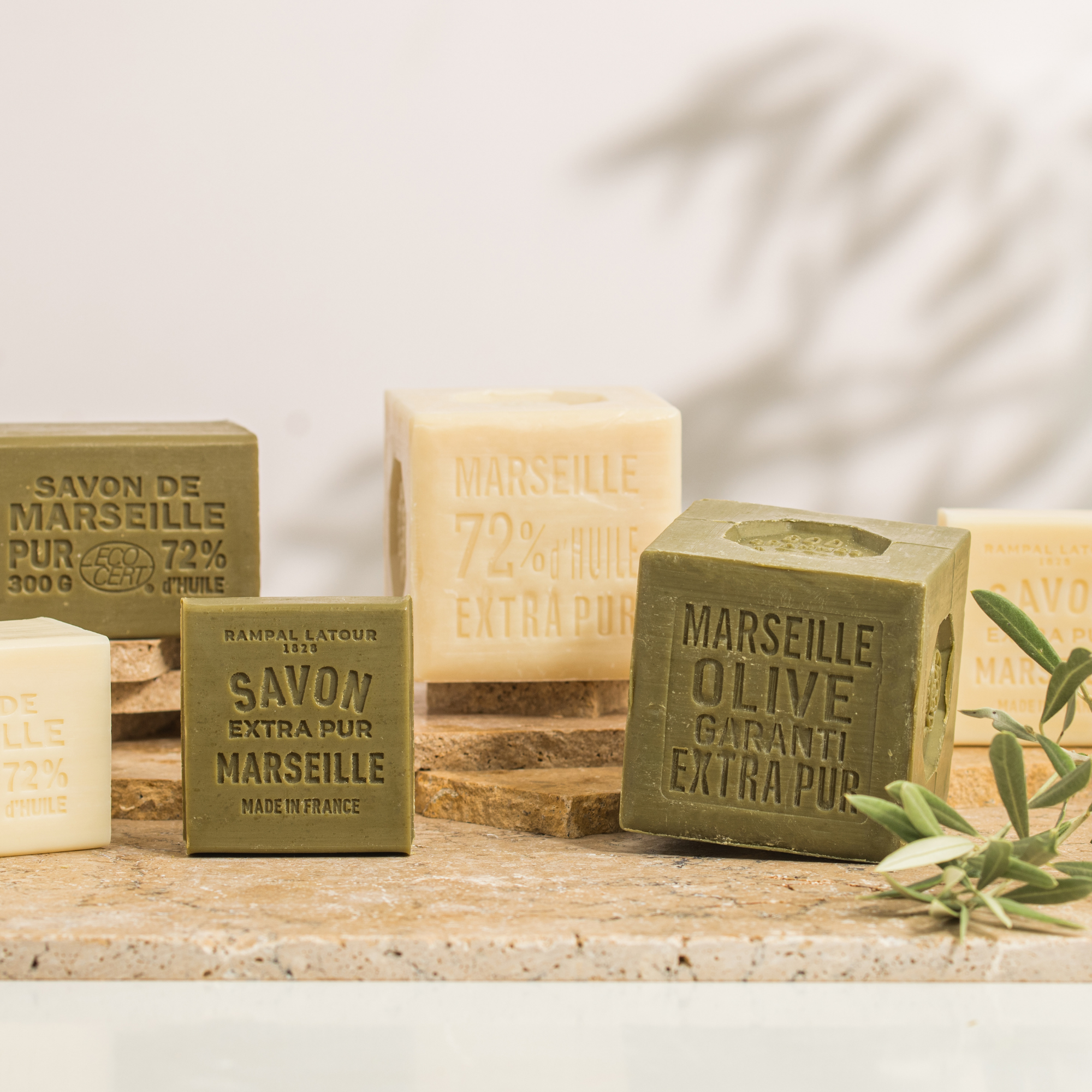
Marseille soap is more recent than black soap, its origins dating back to the Middle Ages. While the name "Savon de Marseille" (Marseille soap) is now found almost everywhere on supermarket shelves, it's important to know that to recognize genuine Marseille soap, its composition must be extremely simple, based on just four ingredients: water, vegetable oils, salt, and soda. Its production requires time and specific expertise that is not currently protected by a Protected Designation of Origin (PDO).
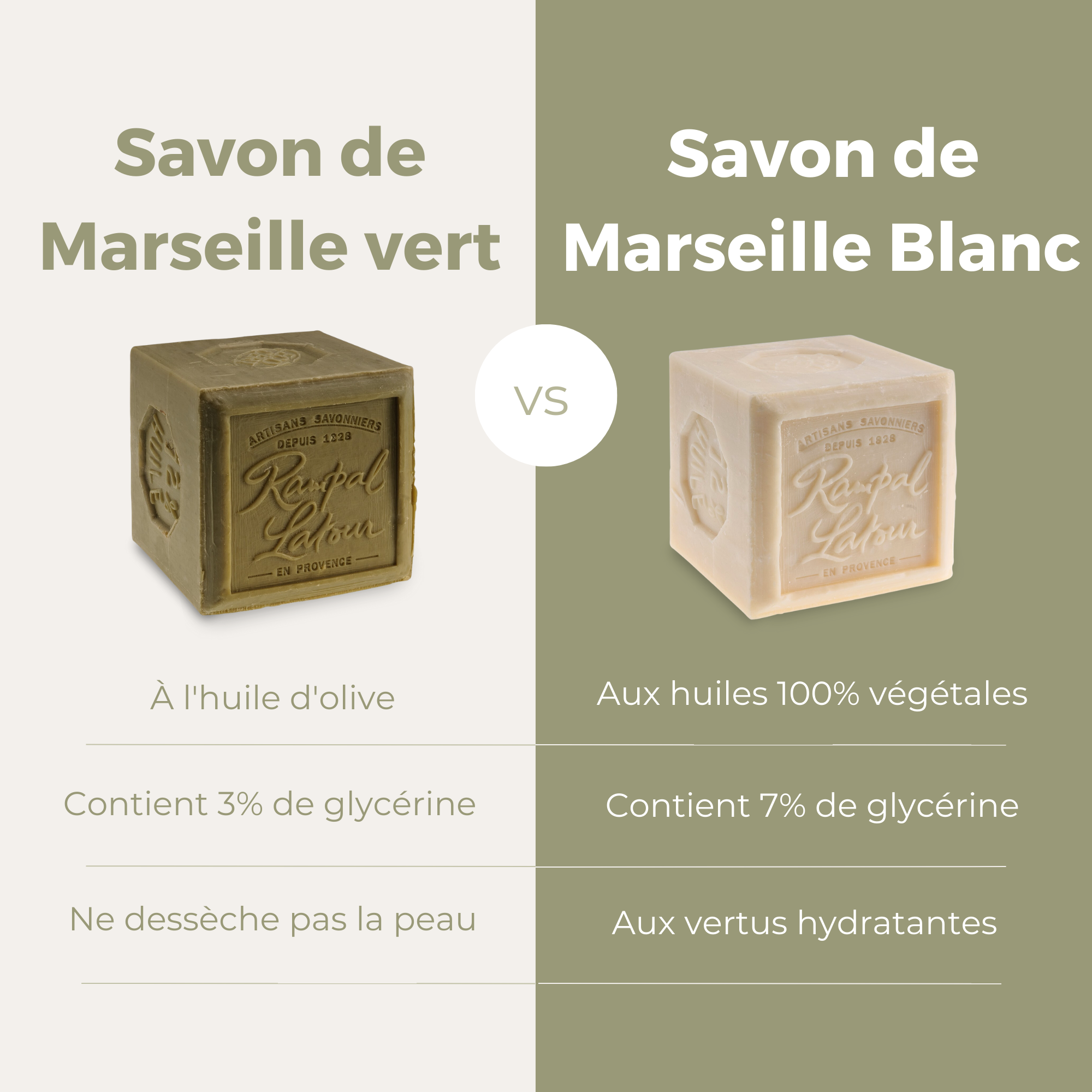
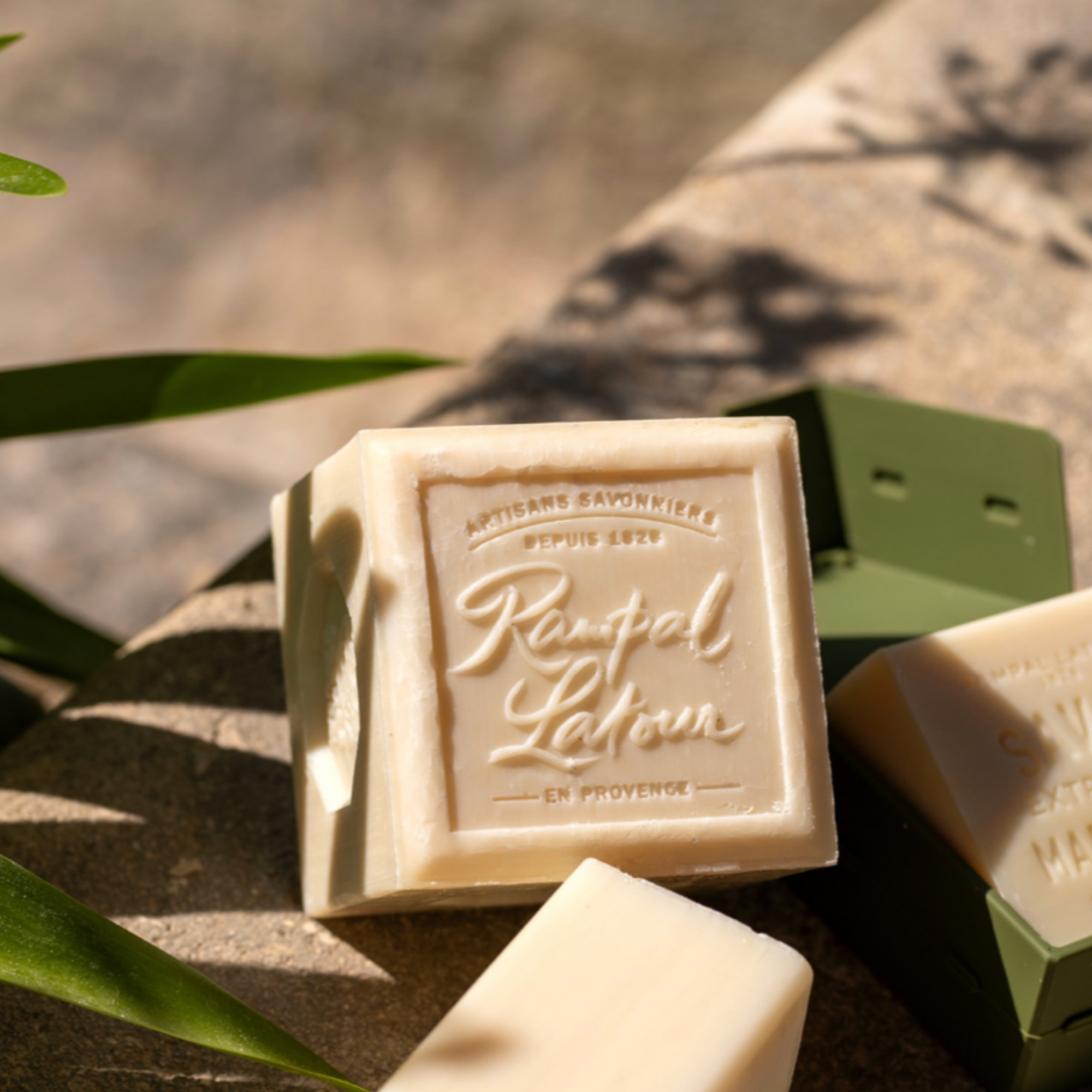
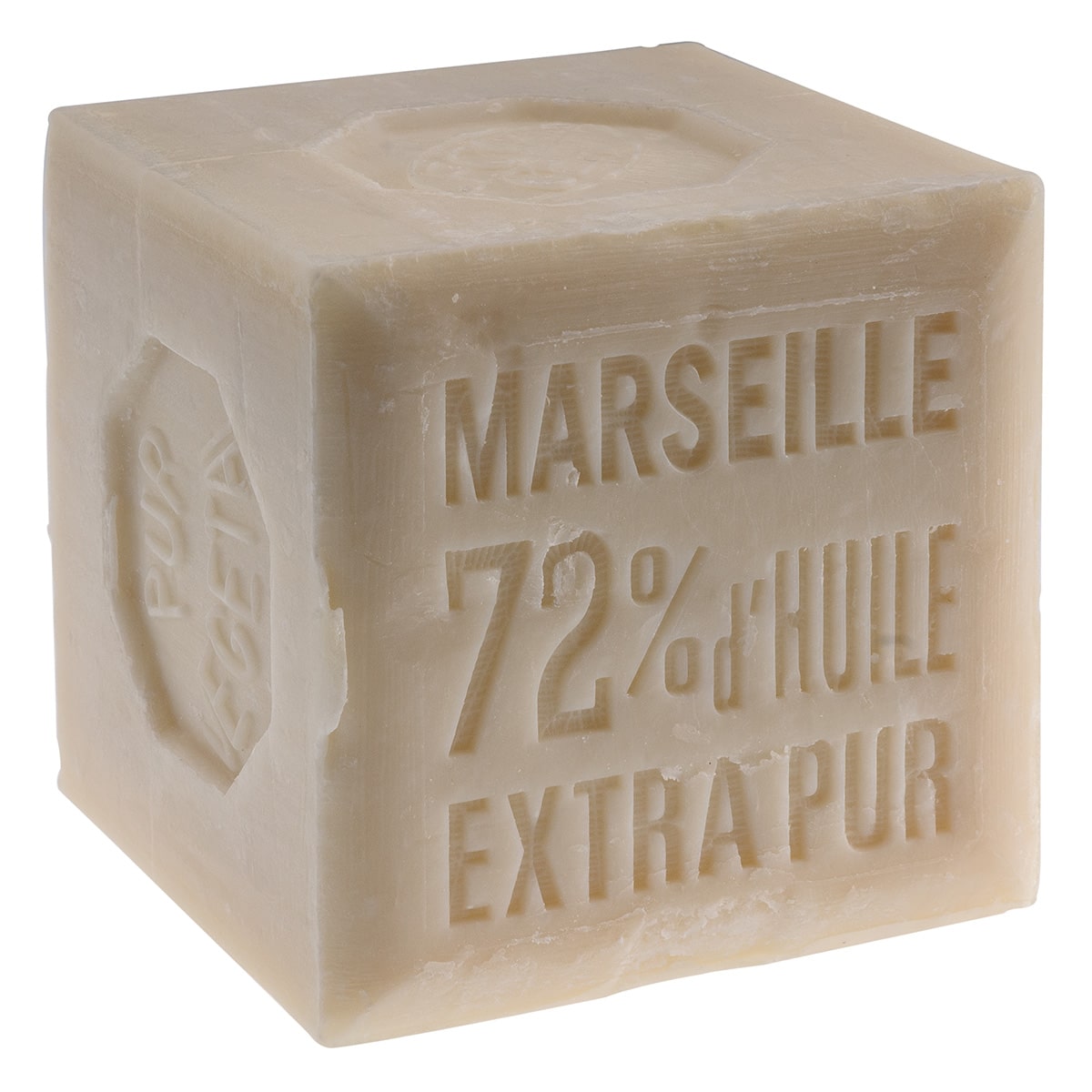
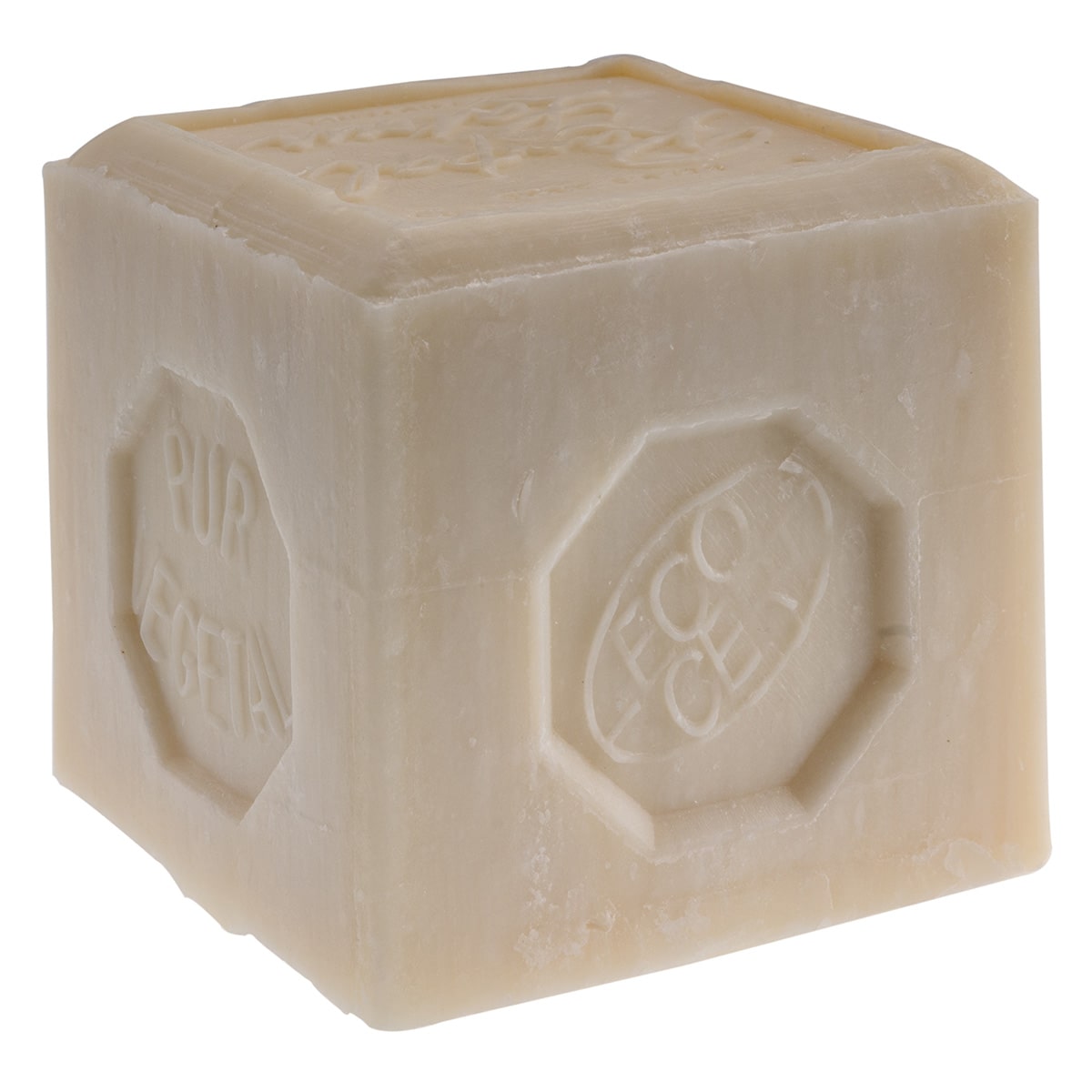
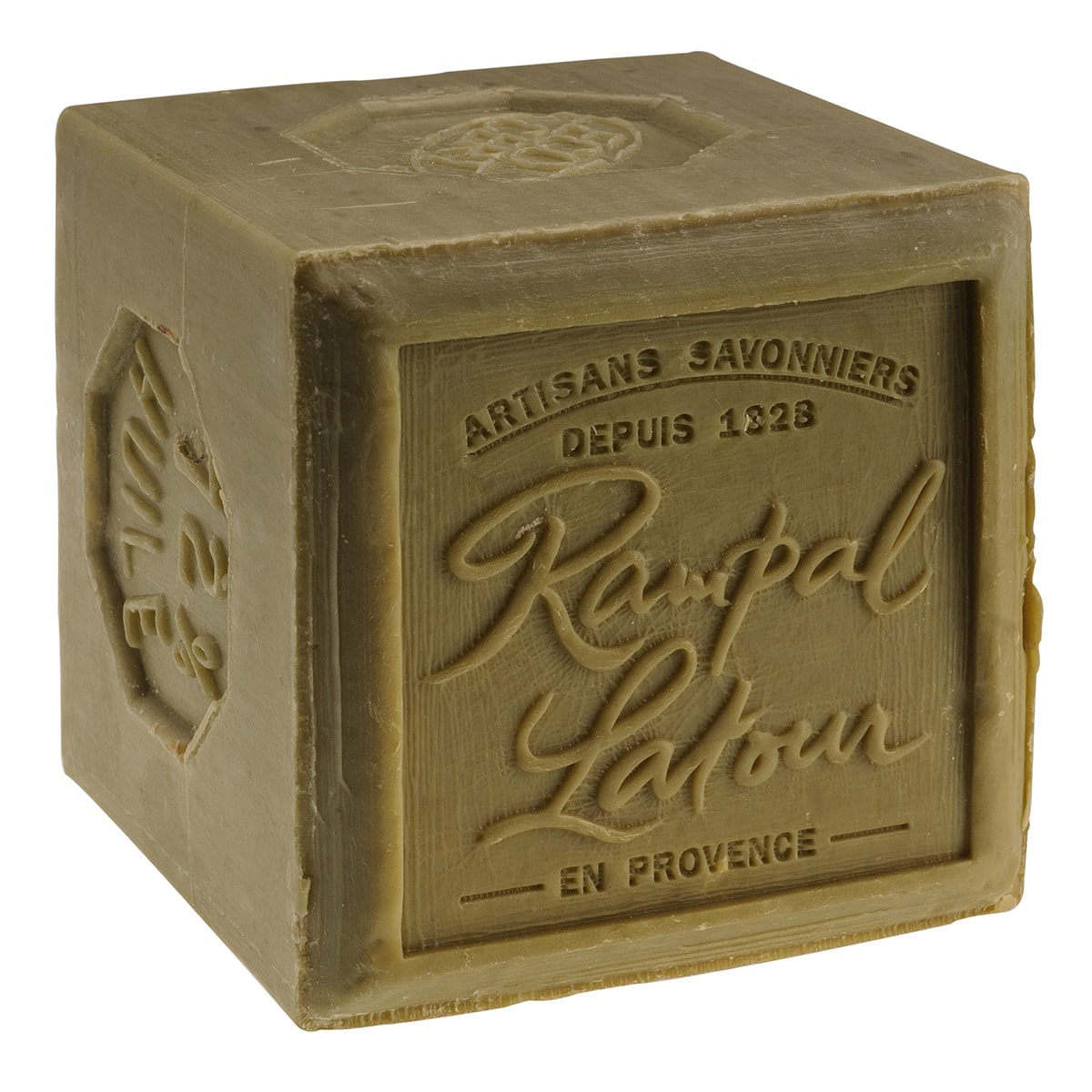
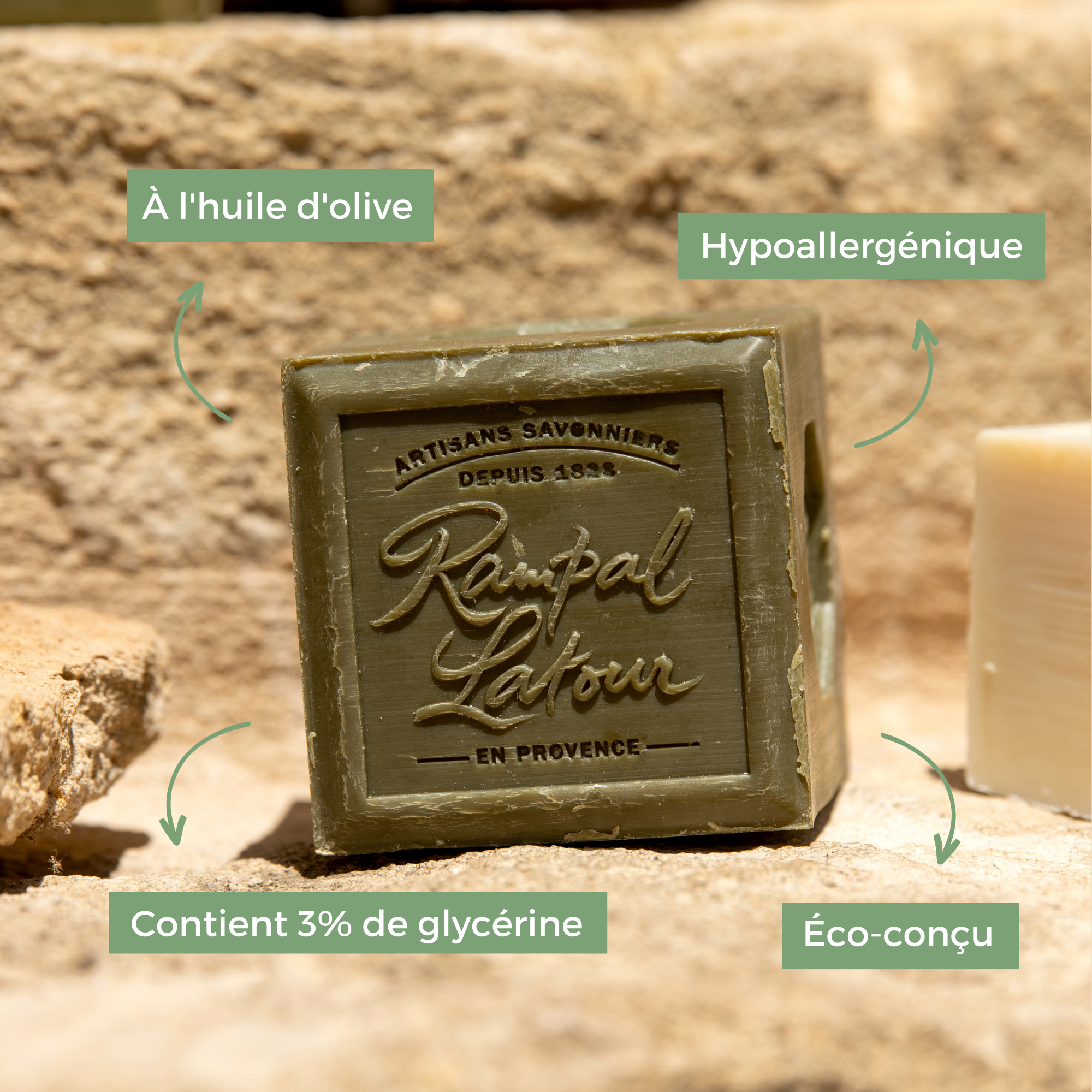
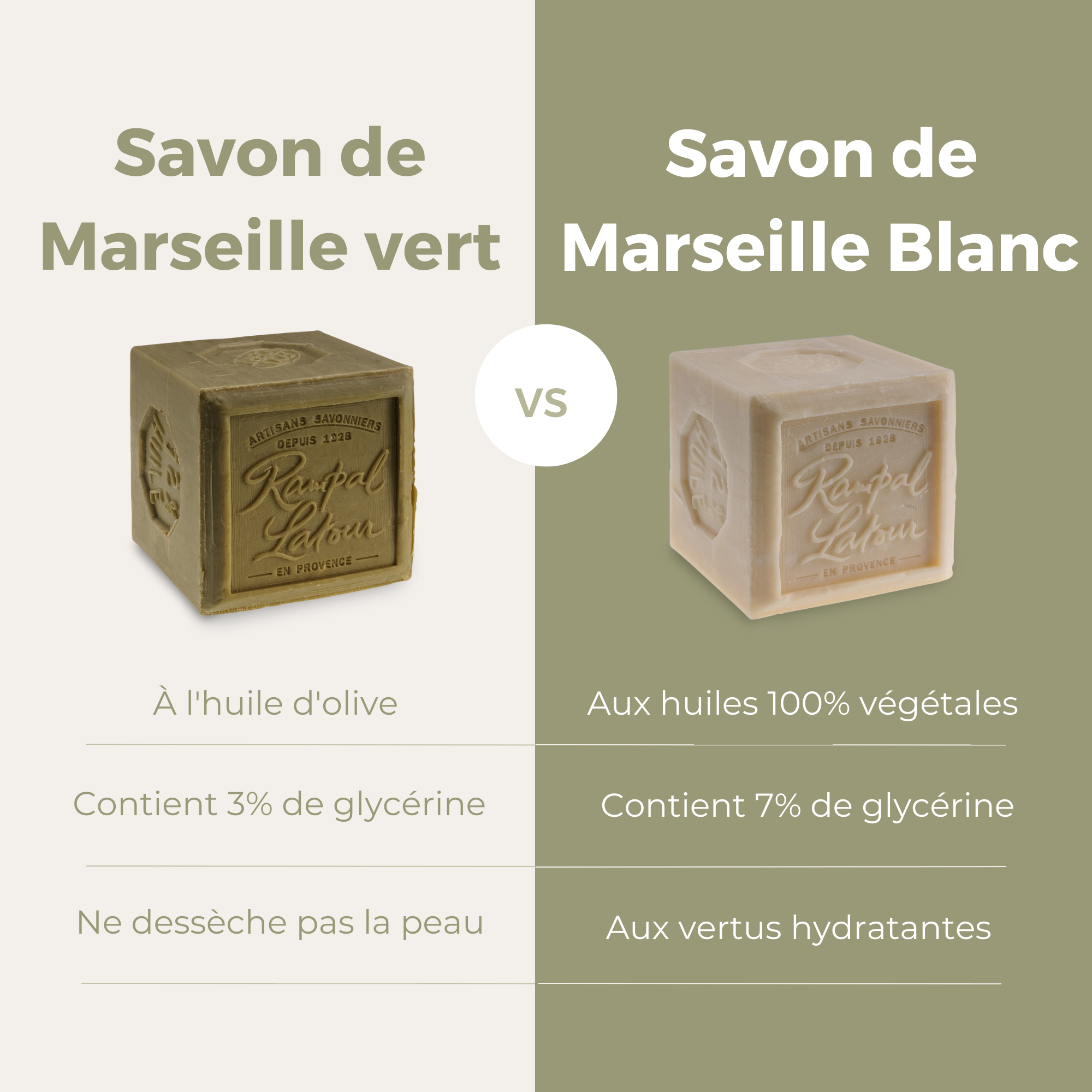
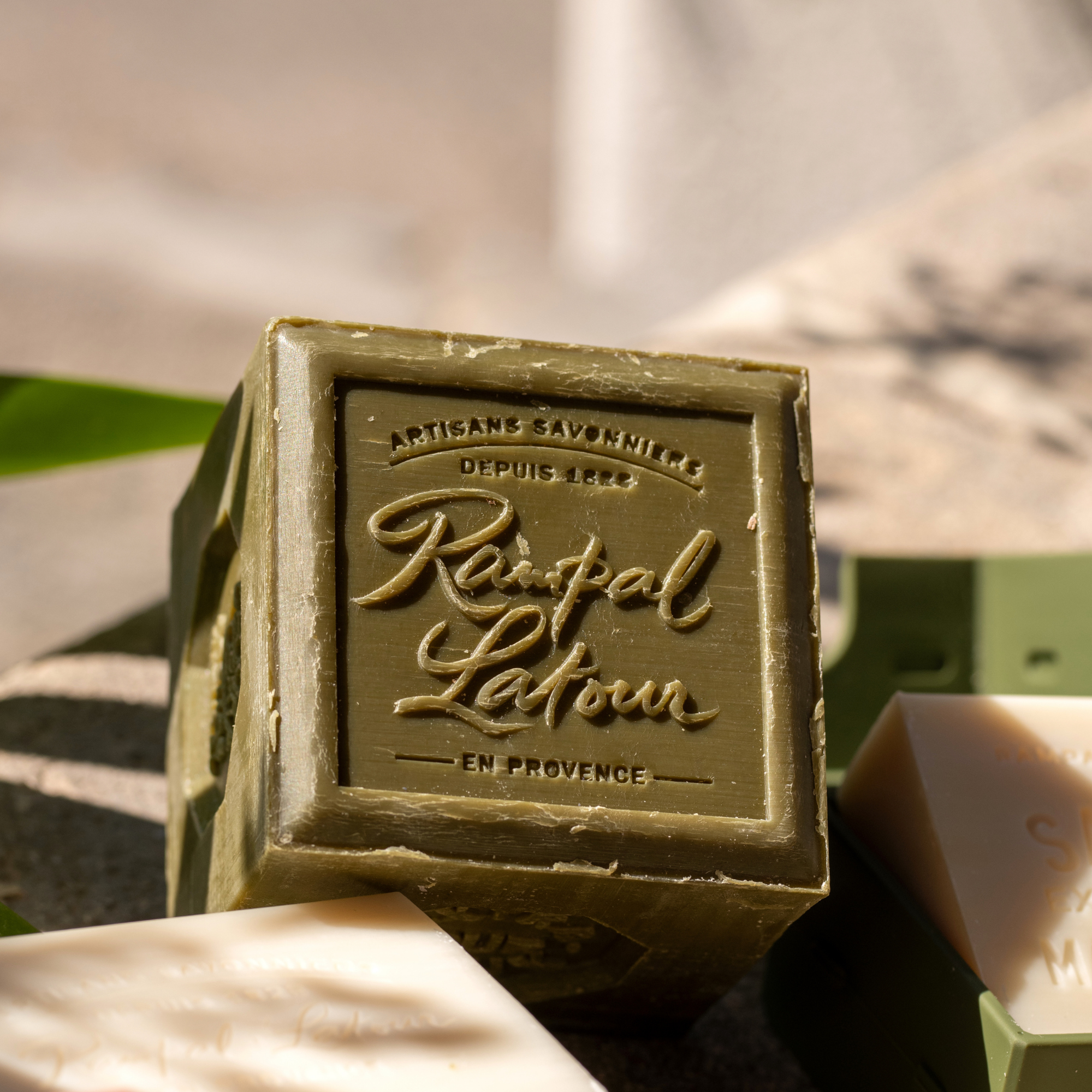
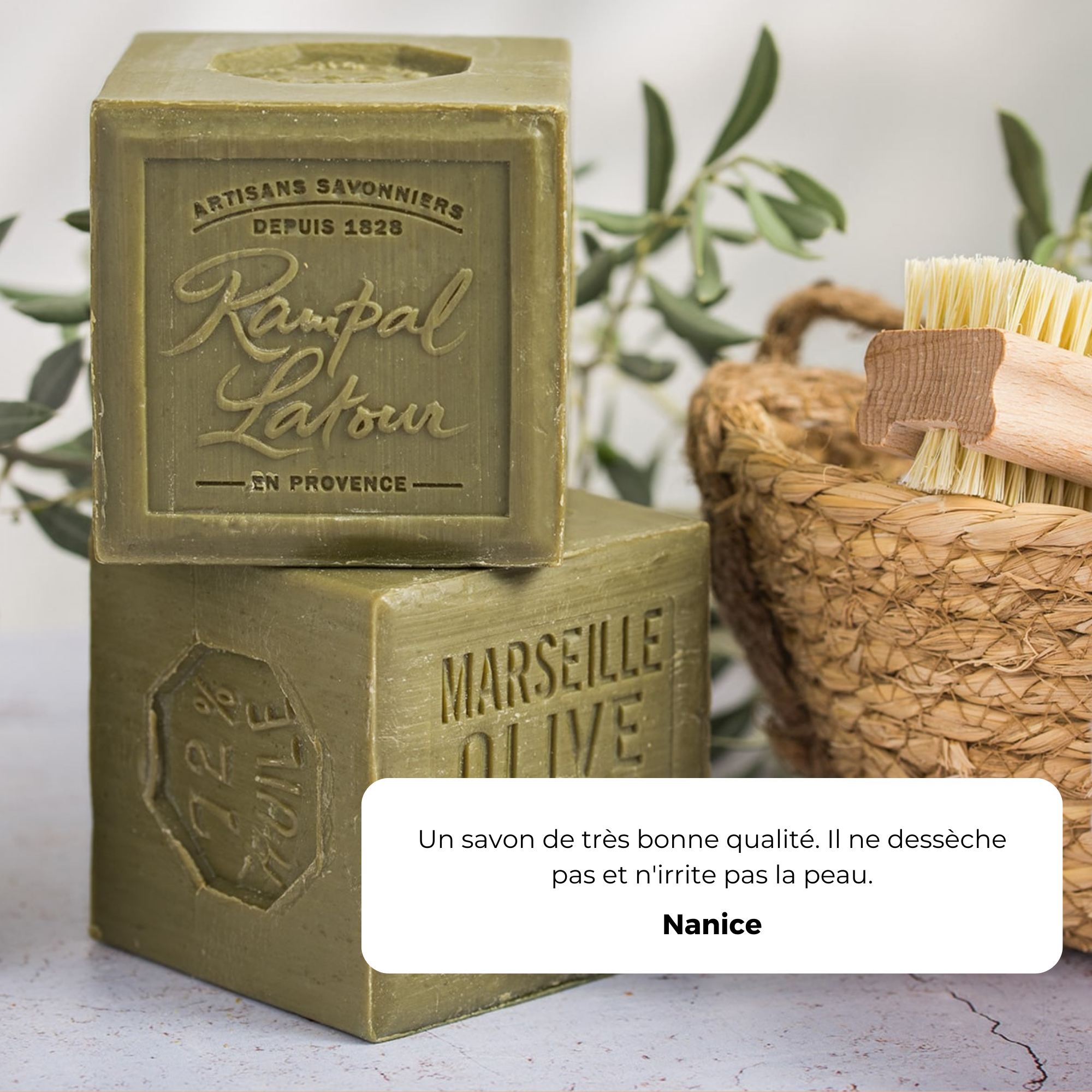
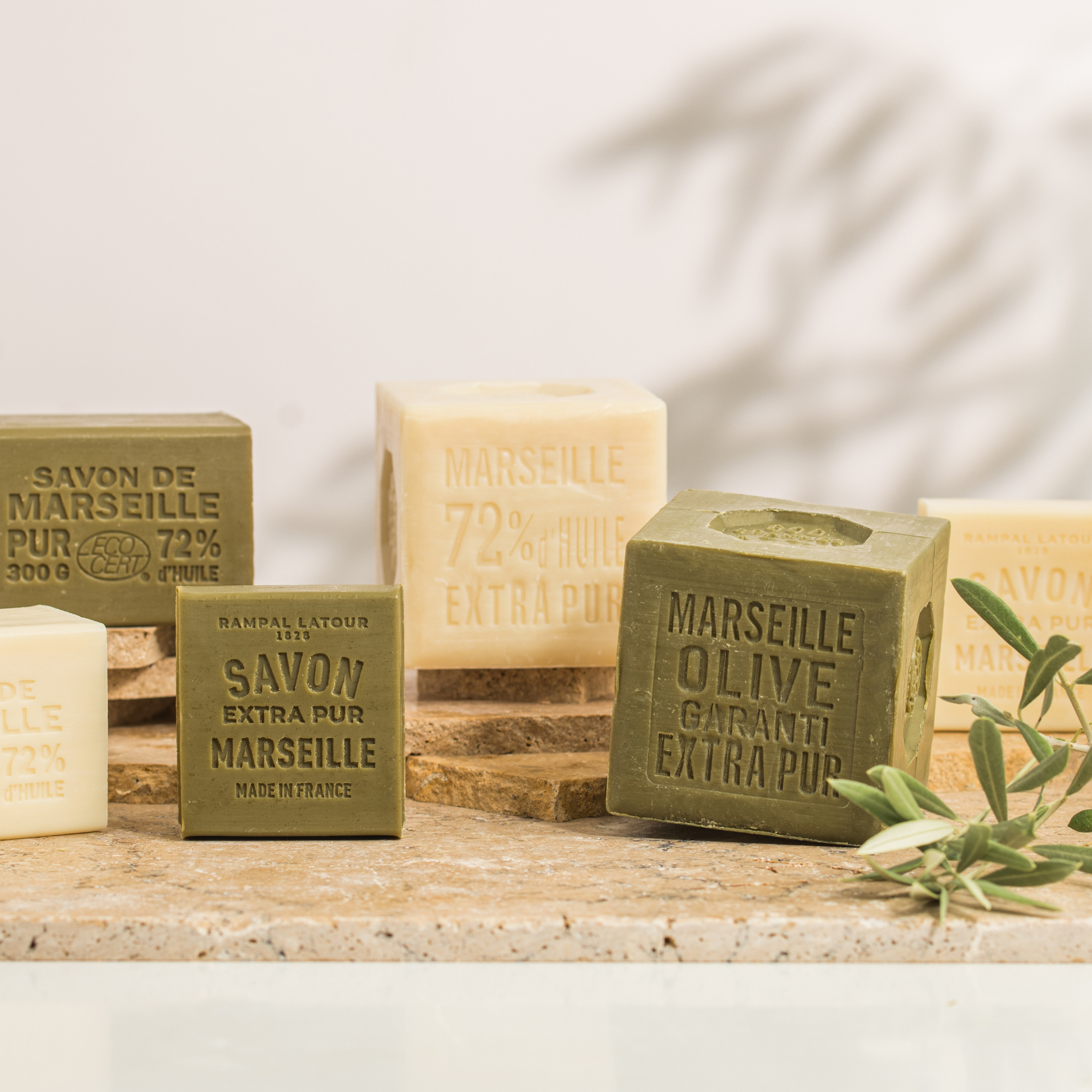
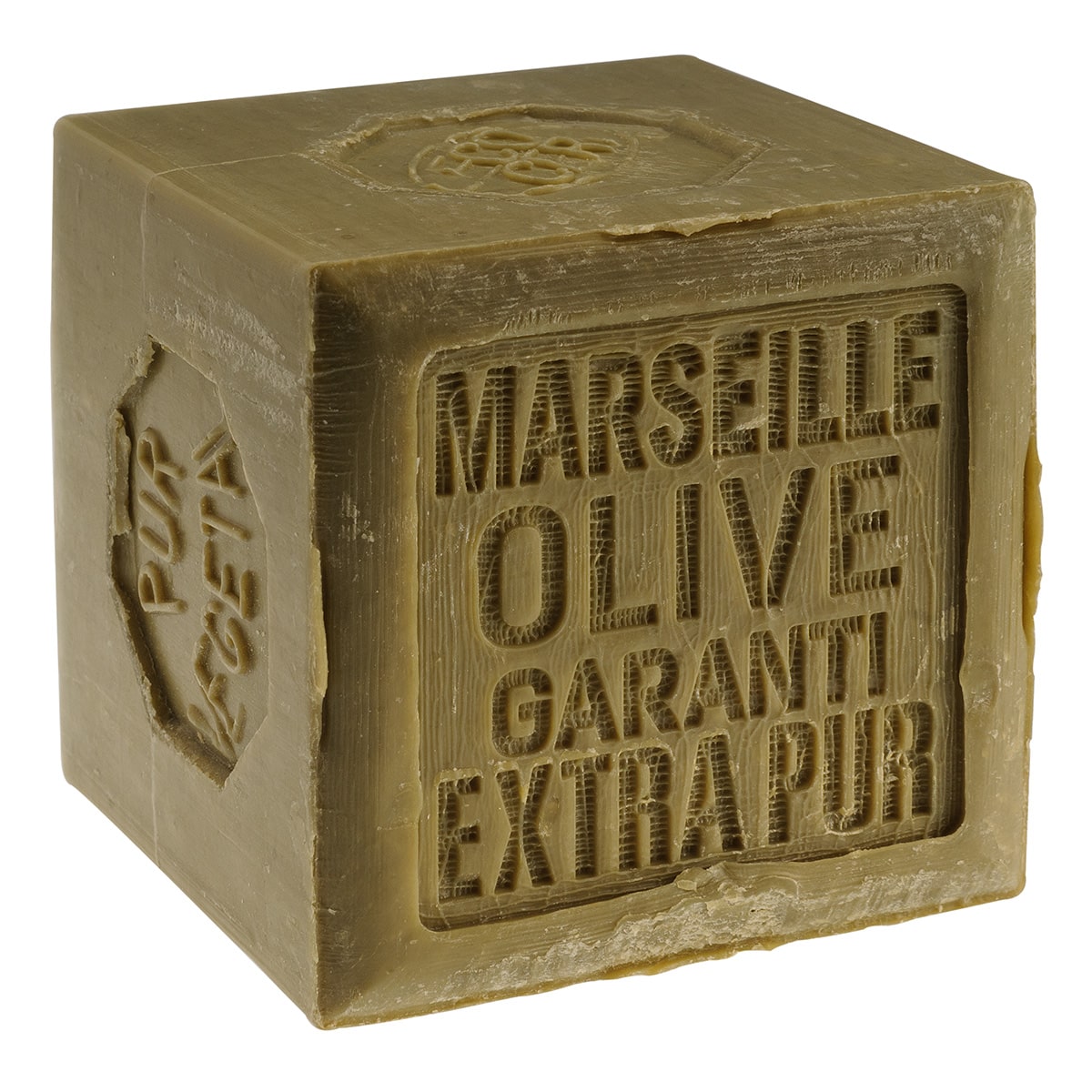
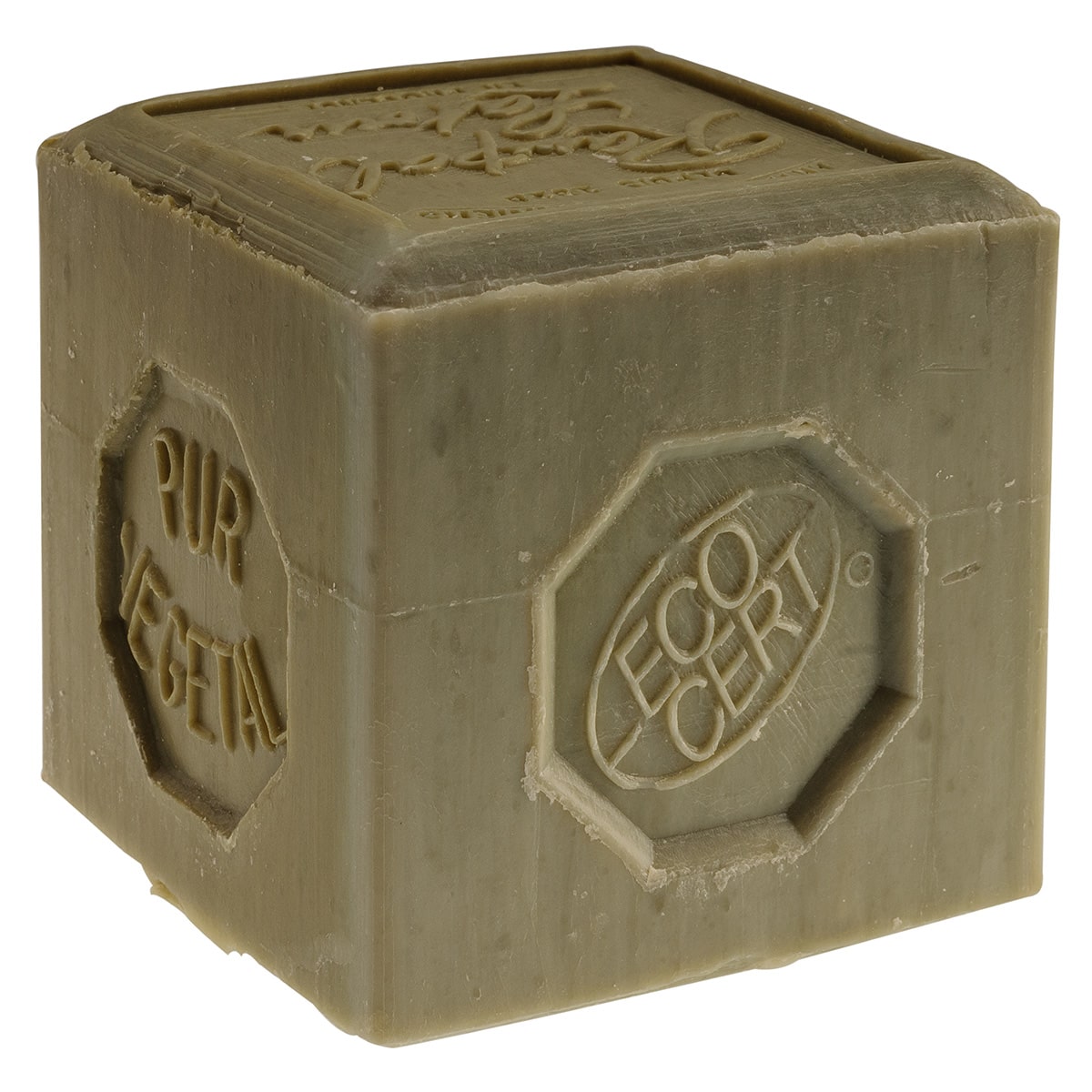
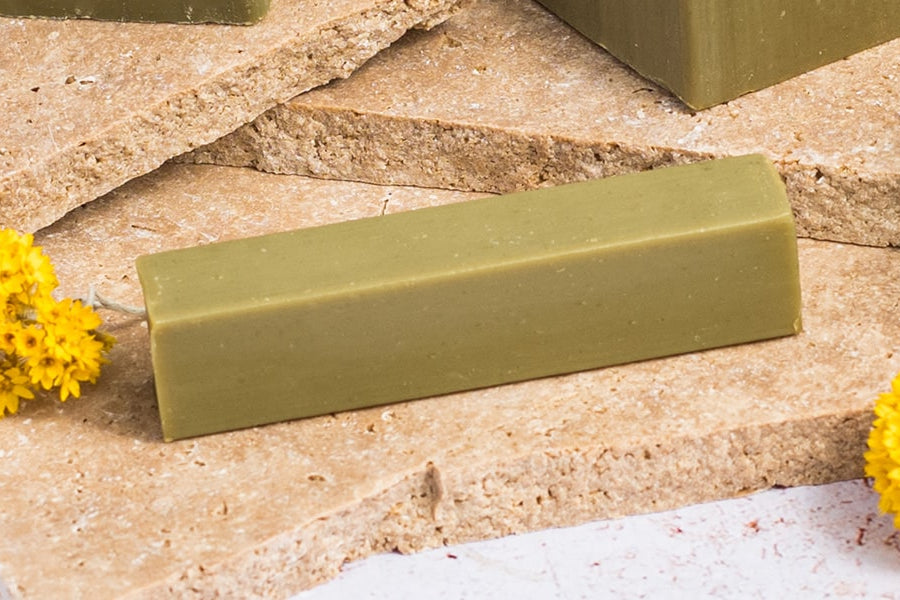
Genuine Marseille soap is only available in solid form. It can come in the form of a bar, flakes, or, more traditionally, as a cube stamped on all four sides. Its color can be green when made from olive oil or off-white if it's made from another vegetable oil. But what makes Marseille soap truly unique is its scent.
Marseille soap is primarily used for personal hygiene, but also has its uses in household cleaning.
The difference between black soap and Marseille soap
While their appearance differs greatly, black soap and Marseille soap share several characteristics, notably their simple and hypoallergenic composition. Their simplicity and natural properties have made them favorites among healthy and eco-friendly homemade products, and together they can replace most household and hygiene products. However, they are not always interchangeable.
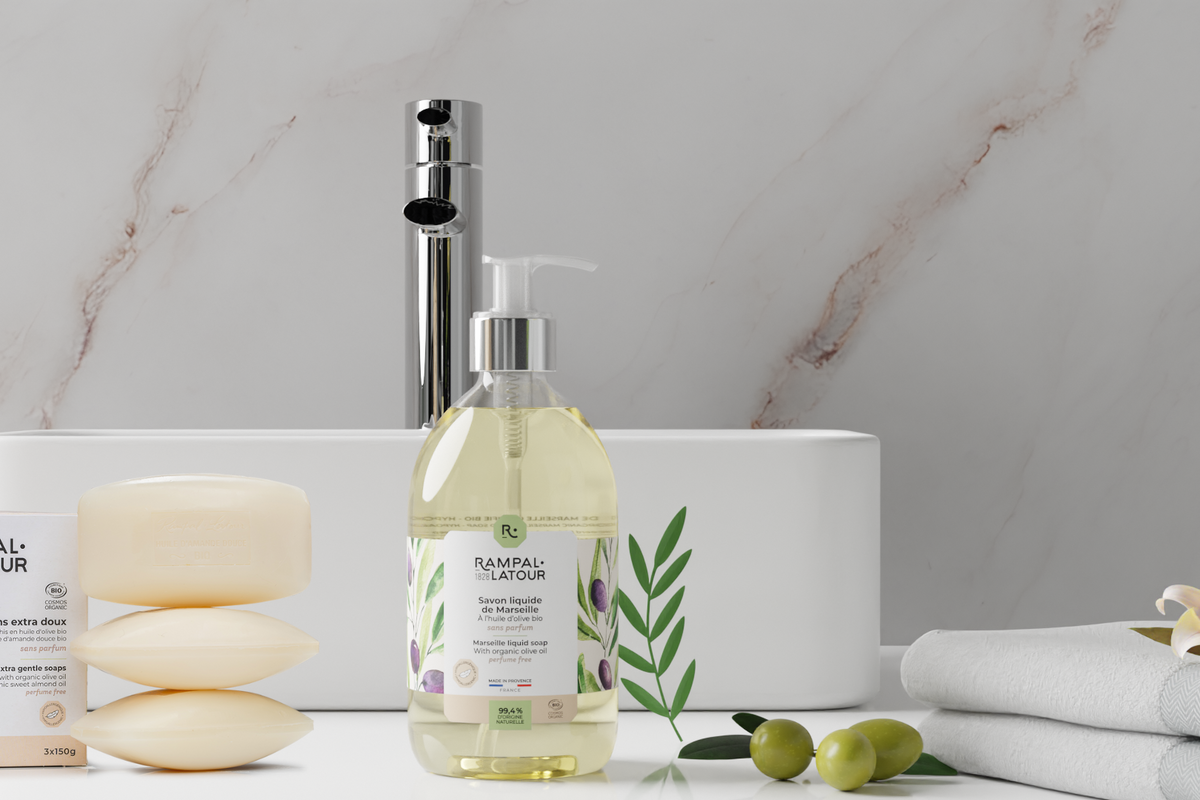
Marseille soap is a must-have for personal hygiene . Suitable for all skin types thanks to its glycerin content, it cleanses gently. It can be used as a face and body soap, as a shampoo, and even for brushing teeth.
In all these scenarios, it can be used as is and is sufficient on its own or mixed with other ingredients to increase its effectiveness tenfold.
As for black soap, its solid, so-called Moroccan version is a very effective natural exfoliant. Rich in vitamin E, it allows for gentle exfoliation without damaging the hydrolipidic film that protects the skin. Impurities and dead cells are removed, leaving your skin clean and fresh.
It is used as a moisturizing mask and is useful in an anti-aging routine. It can also be used as a hair mask.
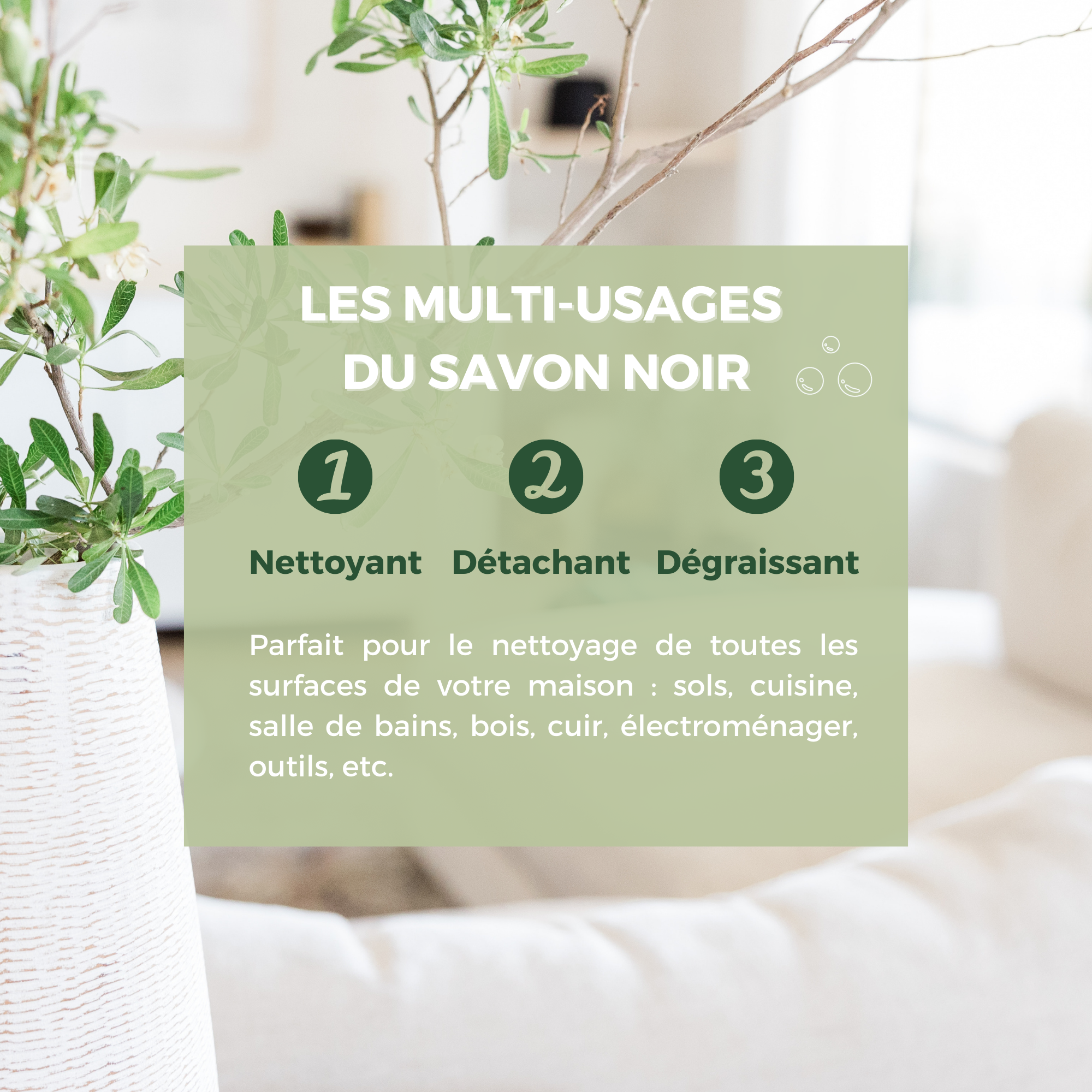
Its liquid version will be a valuable ally for cleaning and maintaining the home . It replaces several supermarket products on its own. It has degreasing and disinfecting properties while also leaving surfaces sparkling. It is suitable for cleaning floors, degreasing stovetops, cleaning windows, and even for leather care.
It is also used in the garden for its repellent action against harmful insects. It is also valued for washing pets , who will benefit from its antiparasitic effect.
It's worth noting that despite their differences, household black soap and Marseille soap can have similar uses . Their stain-removing properties make them excellent alternatives for laundry. They are also both excellent for washing dishes.
You now have the keys to distinguishing between black soap and Marseille soap. Rather than pitting them against each other, why not consider them complementary allies for healthy and eco-friendly home hygiene and cleaning?