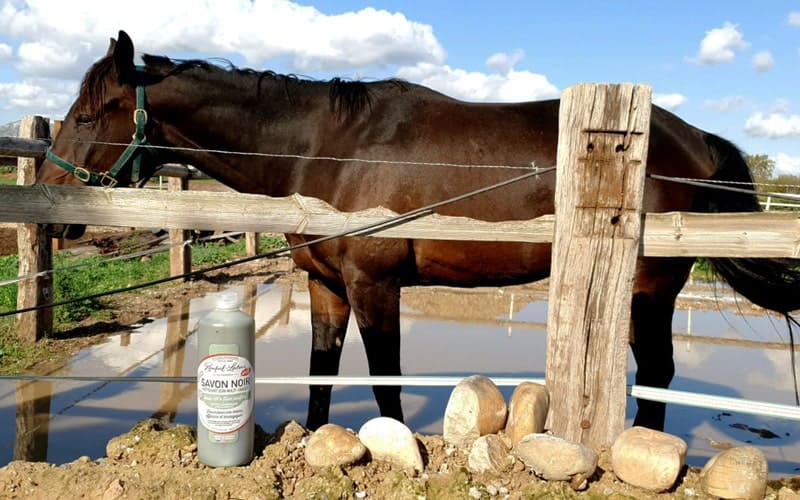

Typically made from vegetable oil and potash, black soap is a natural and biodegradable product with numerous benefits. Ideal as a laundry and everyday cleaning product, it also has insecticidal and fungicidal properties. What are its benefits? How can you use it on your plants? Here's everything you need to know about the benefits of black soap in your garden .
General uses of black soap in the garden
Black soap, a natural insect repellent
Composed of water, vegetable oil, and potash, black soap is generally available as a soft, brown paste or in liquid form. Renowned for its insecticidal properties, it is a valuable ally for treating garden plants and protecting against the spread of pests.
Indeed, black soap is a contact insecticide . Once diluted in water and sprayed on plants, it attacks and kills the larvae of certain insects, such as aphids , scale insects, whiteflies, spider mites, thrips, or psyllids.
Used as a natural repellent for garden plants, black soap is ideal for getting rid of insect larvae and for cleaning honeydew that coats diseased leaves. It is therefore very effective in combating insects that ravage indoor and outdoor plants.
Black soap as a plant cleaner
In the garden, certain plants and shrubs are particularly susceptible to disease. This is especially true of roses and fruit trees: without regular maintenance, these plants can be affected by fugamine, a black mold that contaminates plants known as "aphid-infested".
Using black soap to clean garden plants helps prevent contamination. Thanks to its degreasing and cleaning properties, it can eliminate dust and polluting particles that clog plant stomata. Spraying a solution of warm water and black soap on outdoor plants cleans them and reduces the risk of contamination.
Black soap, a soil conditioner
Black soap has properties that improve the structure of your garden soil. An excellent wetting agent, it facilitates water absorption into the soil, promoting root hydration. When used on clay soil, it also helps to disperse soil particles, making it less compact and more permeable.
As a soil conditioner, black soap is also an excellent nutrient for plants. Rich in nutrients, this product acts as a natural fertilizer for roots and plants. Using black soap is therefore essential to benefit from the properties of a natural soil conditioner.
Black soap against boxwood disease
Boxwood disease: what is it?
Also known as "boxwood blight," boxwood blight is caused by the spread of a fungus: Cylindrocladium buxicola. This disease progressively affects the branches of the boxwood, eventually leading to the plant's death. Generally, the symptoms of boxwood blight are as follows:
- Yellowing of the leaves;
- Falling leaves;
- Appearance of brown spots on the leaves.
Highly invasive, boxwood disease can spread rapidly, especially in warm and humid weather conditions. Its impact on garden boxwood is undeniable: the symptoms of boxwood disease intensify and can lead to the plant's decline and eventual death. Therefore, it is essential to protect against this disease using solutions containing black soap .
Application of black soap against boxwood disease
To protect against boxwood disease, black soap is a valuable ally. As a wetting agent, it is frequently added to treatments for boxwood disease. It optimizes the penetration and dispersion of the product on the plant's leaves to effectively combat the disease.
Black soap against peach leaf curl
Peach leaf curl: what is it?
Peach leaf curl is a disease that primarily affects peach and nectarine trees. Caused by the fungus Taphrina deformans, peach leaf curl damages the surface of peach leaves, young shoots, and fruit.
Generally, leaves affected by peach leaf curl exhibit several symptoms. They twist, curl, or blister. Furthermore, leaves affected by peach leaf curl change color: they turn red or pale green before browning and falling off.
Peach leaf curl disease affects the branches deep within the tree and impairs fruit production. Furthermore, after repeated leaf loss in the spring, trees infected with peach leaf curl eventually die. It is therefore essential to protect against the spread of this disease by using treatments based on black soap .
Using black soap to treat peach leaf curl
To protect against peach leaf curl, black soap proves highly effective. Indeed, it possesses natural properties that help cure diseases affecting certain indoor and outdoor plants. It coats plants with a protective and preventative film, shielding them from pests and potential diseases. Using black soap in your garden can therefore help combat the fungi responsible for peach leaf curl.
Treatment and Dosage of Black Soap on Your Plants
Treating boxwood disease with black soap :
- Dilute 20 to 30 ml of liquid black soap in one liter of water.
- Spray the solution on the boxwood leaves, and more specifically on the leaves affected by boxwood disease.
- Also ensure that the underside of the leaves is covered with the treatment.
Repeat this application every two weeks until the boxwood disease disappears. As a preventative treatment, you can spray your black soap solution in spring and autumn, which are the periods when boxwood disease is most active.
To prepare a liquid treatment based on black soap against peach leaf curl:
- Prepare a solution by mixing 30 ml of black soap in one liter of water.
- If you already have Bordeaux mixture, dilute black soap to a concentration of 2%.
- Once the solution is ready, spray it on the leaves of the nectarine and peach trees affected by the disease.
You can repeat the treatment at regular intervals during your trees' growing seasons. Spraying a black soap solution every two weeks will protect your trees against peach leaf curl.