
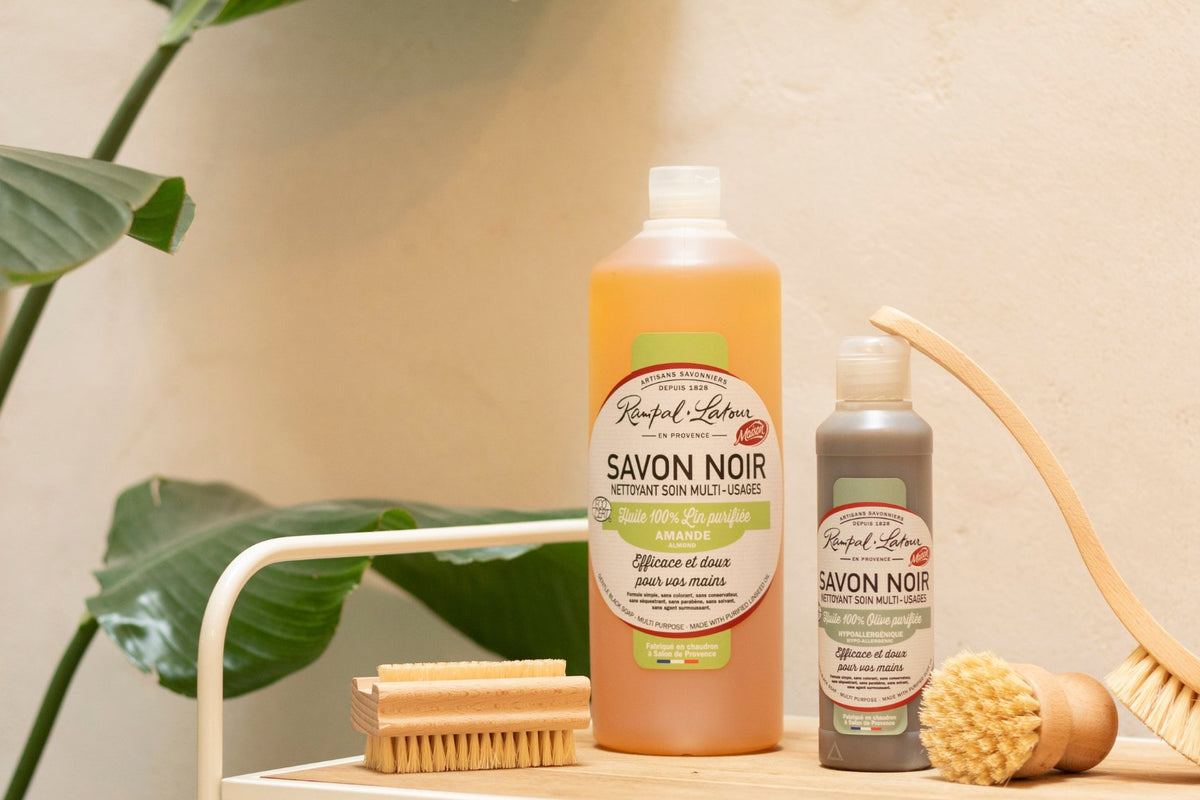


With the growing desire to reduce chemicals in the home, natural cleaning is becoming a natural choice. Among the essentials of eco-friendly cleaning, two traditional soaps stand out: savon noir and savon de Marseille. Both are renowned for their effectiveness, versatility, and low environmental impact. But in fact, what is the difference between savon noir and savon de Marseille?
Can you clean floors with savon noir? Is savon de Marseille better suited for laundry? Is savon noir effective against aphids in the garden? In this article, we will help you understand the uses of each for simple, natural, and effective home maintenance.
Savon Noir or Savon de Marseille: Which Should You Use for Household Cleaning?
Savon noir and savon de Marseille share an essential commonality: they are made from vegetable oils and contain no harsh chemicals when they are authentic. However, their composition, texture, and properties differ.
Here is what you need to remember:
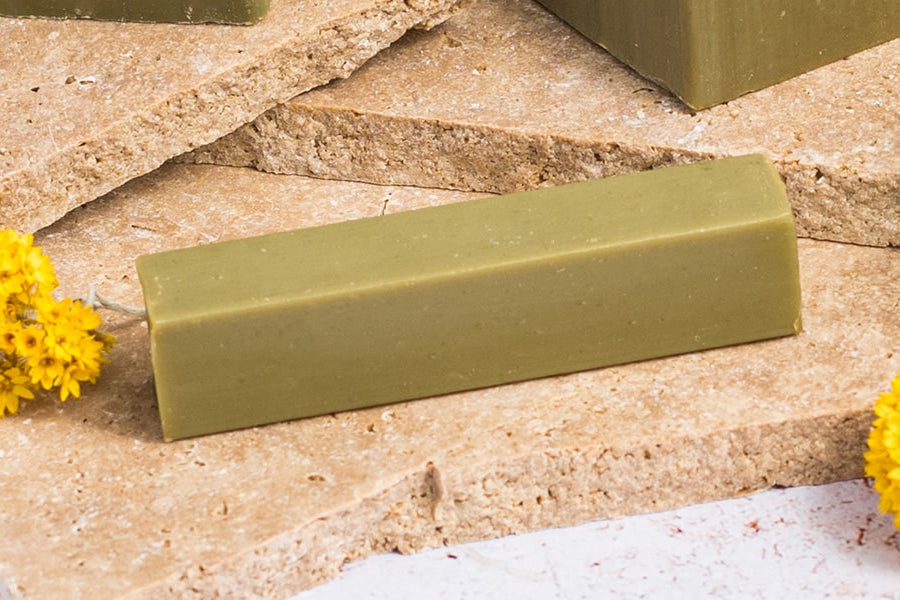
- Savon noir is generally made from olive oil or saponified linseed oil. It comes in paste or liquid form;
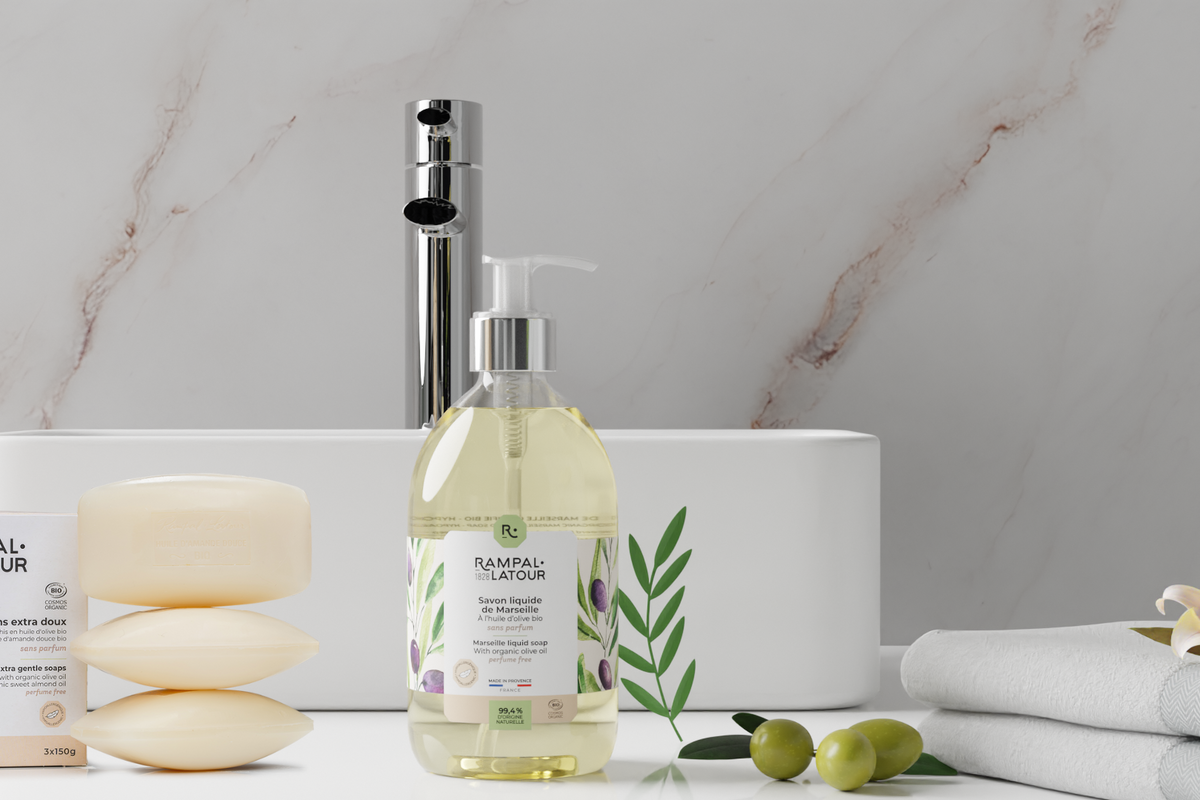
- Savon de Marseille, whether solid or liquid, is a traditional soap made by saponifying vegetable oils, renowned for its gentleness and versatility.
In practice, these two soaps are not rivals—they complement each other!
Savon Noir: The King of Floors and Gardens
Savon noir is an essential for natural cleaning, valued for its powerful degreasing ability and its effectiveness on many surfaces. It can also help you in the garden.
Cleaning Floors with Savon Noir
When diluted in hot water, savon noir cleans floors thoroughly without leaving streaks. It is particularly effective on:
- Tiles;
- Linoleum;
- Microcement;
- Wooden floors;
- Natural stone floors.
Cleaning floors with savon noir not only removes grease and dirt but also restores the appearance of the surfaces. The result? Clean, shiny floors without chemical residues!
Discover the range in the "Savon Noir" collection.
A Garden Ally: Savon Noir and Aphids
Less known, savon noir is also a natural repellent against aphids. Diluted in water and sprayed on plants, it helps eliminate these pests without harming the environment or crops.
Savon noir works against aphids by cleaning the leaves and eliminating insects on contact, while respecting the balance of the garden.
Other Uses for Savon Noir
Savon noir can be used for:
- Degreasing range hoods and stovetops;
- Streak-free window cleaning;
- Caring for leather and delicate surfaces (diluted);
- Cleaning jewelry;
- Pre-treating stains on fabrics before washing;
- Cleaning grout and heavily soiled surfaces;
- Caring for garden furniture and outdoor furniture;
- Cleaning brushes, sponges, and household accessories.
To learn more, find all the uses in our guide on using savon noir for household cleaning, in our article on savon noir, a natural, non-toxic, and eco-friendly household product, and in our recipe for a multi-purpose cleaning spray with savon noir.
Savon de Marseille: The King of Laundry and Dishes
While savon noir excels on greasy surfaces, savon de Marseille is renowned for its gentleness and effectiveness on textiles and dishes.
A Natural Stain Remover for Laundry
Savon de Marseille is an excellent natural stain remover. It is particularly effective on stains from:
- Grease;
- Wine;
- Sweat;
- Makeup;
- etc.
It can be rubbed directly onto the stain or used as laundry soap flakes. Its simple composition makes it an ideal ally for the laundry of people with sensitive skin, including children.
Find the dedicated products in the "Savon de Marseille Home Care" collection.
A Hypoallergenic Solution
Thanks to the absence of synthetic fragrances and harsh preservatives, savon de Marseille is often described as hypoallergenic. It reduces the risk of skin irritation, especially when laundry detergent residues remain in prolonged contact with the skin.
For Dishes and Delicate Surfaces
Savon de Marseille is also highly appreciated for:
- Hand washing dishes;
- Cleaning countertops;
- Caring for fragile surfaces;
- Cleaning sinks and backsplashes;
- Caring for stainless steel, enamel, or ceramic surfaces.
It cleans effectively while respecting materials and the skin, making it an ideal solution for daily use, including for people with sensitive skin.
Surface Comparison Chart
| Surface / Use | Recommended Soap | Why |
|---|---|---|
| Floors (tiles, stone) | Savon noir | Powerful degreaser, streak-free |
| Laundry | Savon de Marseille | Gentle stain remover, hypoallergenic |
| Dishes | Savon de Marseille | Effective cleaning, gentle on the skin |
| Windows | Savon noir (diluted) | Streak-free shine |
| Garden (aphids) | Savon noir | Natural repellent |
| Leather | Savon noir (highly diluted) | Gentle cleaning |
| Delicate textiles | Savon de Marseille | Gentle on fibers |
The Soapmaker's Tip: Use the Right Amount for Better Cleaning
In natural cleaning, less is often more. Too much soap, even natural soap, does not improve cleaning effectiveness and can leave residues. The soapmaker recommends always diluting savon noir or savon de Marseille correctly according to the use.
For floors, a small amount of savon noir in a bucket of hot water is enough. For laundry, a few well-dissolved savon de Marseille flakes are more than enough. The right dosage guarantees optimal cleaning while respecting surfaces and the environment.
The Essential Duo for an Eco-Friendly Home
Savon noir or savon de Marseille? The answer is simple: both. Each has specific properties that make it an essential ally for natural home maintenance.
- Savon noir is ideal for floors, gardens, and heavily soiled surfaces.
- Savon de Marseille is perfect for laundry, dishes, and uses requiring gentleness and hypoallergenic properties.
Together, they make up the essential duo for a clean, healthy home that respects the environment. By incorporating them into your cleaning routine, you reduce the use of chemical household products while gaining effectiveness and versatility. This choice is part of a sustainable approach that respects the health of the whole family and the environment.
FAQ
What is the difference between savon noir and savon de Marseille?
Savon noir is more powerful at degreasing and more versatile for surfaces and gardens, while savon de Marseille is gentler, ideal for laundry and dishes. For details (origins, compositions, solid and liquid versions), see our article Savon Noir and Savon de Marseille: What Is the Difference?
Can you clean floors with savon noir?
Yes, savon noir is perfectly suited for cleaning floors, as it cleans effectively without leaving streaks.
Is savon noir effective against aphids?
Yes, when diluted and sprayed on plants, savon noir acts as a natural repellent against aphids.
Is savon de Marseille hypoallergenic?
When authentic and free of additives, savon de Marseille is renowned for its good tolerance, especially by sensitive skin.